

Netflix co-CEO Sarandos: 'We do need better execution in the US'
Sarandos concedes the streamer's biggest market is underperforming, just as Netflix replaces its content chief and film head.
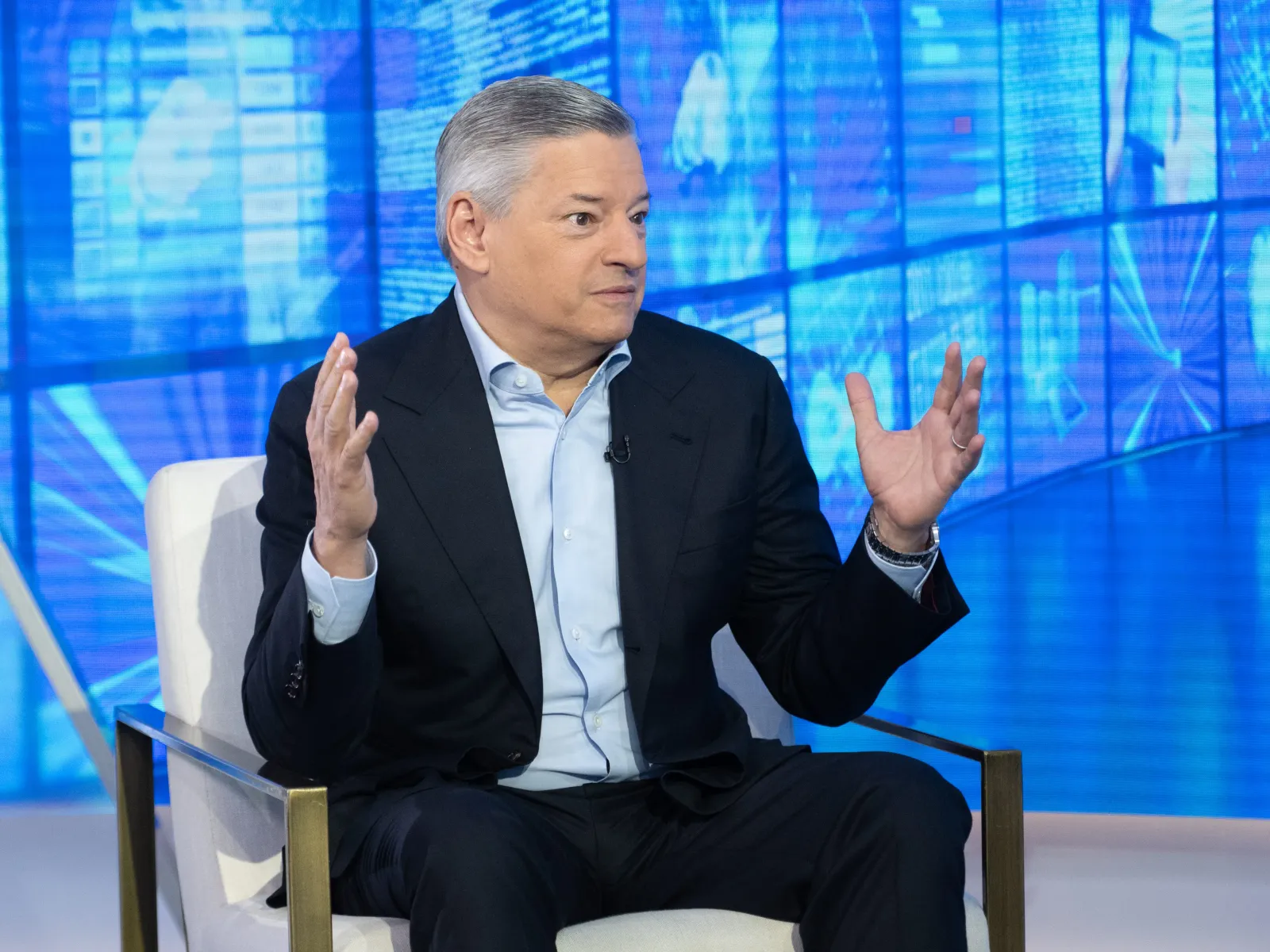
Netflix co-CEO Ted Sarandos told investors on the Q3 earnings call that the company's US shows and movies need better execution, even as global content largely works. The admission lands alongside a content leadership shake-up and a 6% after-hours stock drop, signaling pressure on the streaming leader's growth story.
Netflix co-CEO Ted Sarandos told investors on the company's Q3 earnings call Tuesday that the streamer needs better US shows and movies. "We do need better execution in the US," Sarandos said, a rare public concession from the executive who helped build Netflix's content machine. The comment came as Netflix reported a third consecutive quarter of slowing revenue growth and a 6% after-hours stock drop.
Sarandos framed the problem as one of pace, not collapse. Global content across Latin America, Europe, the Middle East, Africa, and Asia is "largely working," he said. "The US is also working. It's just not growing as fast as it could, or as fast as we'd like." That distinction matters because the US and Canada remain Netflix's biggest market, generating about 44% of revenue this quarter, or $5.6 billion. The gap between "working" and "growing as fast as we'd like" is exactly what the company is now trying to close with a leadership shake-up.
Last week, Netflix announced it is replacing content chief Bela Bajaria, who had overseen movies and shows since 2023, with former Disney and Fox executive Peter Rice. The company is also moving on from film chief Dan Lin, and Rice will oversee Netflix's movies until a replacement is found. The timing is notable: the changes came just before the earnings report, signaling management saw the content problem as urgent enough to act on before investors weighed in.
Co-CEO Greg Peters framed the ambition on the call as taking the content slate "from very good to great." That language is a subtle but real shift for a company that has long argued its algorithm-driven recommendations and global reach could make up for uneven individual titles. Sarandos added that the US had "some really solid doubles and triples this year" but that other territories "count on some of those titles being home runs, so that they'll travel around the world." In other words, a weak US slate doesn't just disappoint domestic subscribers; it starves the international pipeline of the breakout hits that fuel global growth.
The stakes are visible in the numbers. Netflix shares entered Tuesday's report down about 44% over the last 12 months, and the stock fell another 6% in after-hours trading after the company posted its third consecutive quarter of slowing revenue growth. Wall Street has grown increasingly concerned about engagement growth, especially as Netflix competes for attention with free, ad-supported platforms like YouTube. The concern is not that Netflix is losing subscribers at scale; it's that the company's ability to keep raising prices and growing viewing time depends on a steady drumbeat of must-watch content, and the US, its most valuable market, is not delivering that drumbeat fast enough.
The 1,000-person workforce reduction, described as Netflix's biggest round of staff cuts since 2022, adds another layer of pressure. Content leadership changes plus layoffs plus a public admission of underperformance is a combination that usually signals a strategic reset, not a tweak. For a company that has historically been disciplined about not overreacting to quarterly noise, the moves suggest management sees the US content gap as a structural issue, not a seasonal dip.
For executives and boards across media and streaming, the lesson is straightforward. Netflix's own framing shows that global scale amplifies the value of a home run: a hit made in one market can travel everywhere, but a slate of solid-but-unspectacular titles cannot. That dynamic puts enormous pressure on the US content engine, because it is the largest revenue pool and the most likely source of globally resonant hits. The company's response, swapping in a veteran studio executive like Peter Rice and publicly resetting expectations, is a reminder that even the market leader cannot coast on past hits when engagement growth slows.
Sarandos ended the call with a note of cautious optimism: "There is a lot to be excited about, but I know that we could do better." For investors, the question is whether the leadership changes and cost cuts will translate into the kind of home runs that reverse the revenue slowdown. For competitors, the warning is clear: Netflix is treating its US content problem as an emergency, and when Netflix moves this aggressively, the rest of the streaming market feels the ripple effects.
This story's Key Insights and Take-aways are locked.
Create a free account to unlock Executive Actions for one credit.
Register to UnlockAlways free for Executives Club members. Join the Club
More in Business

BioWare shuts down, Mass Effect 5 dead after $55B EA buyout
The legendary RPG studio's closure lands months after a $55 billion investment group buyout of EA, raising tough questions for gaming's biggest acquirers.

Musk barred from the room as Tesla, SpaceX boards weigh $3.5 trillion merger
The CEO of both companies is a 'conflicted party' watching independent directors negotiate a tie-up that would create a $3.5 trillion giant he would own about a third of.

Elon Musk just showcased a flying car - and it wasn't at Tesla
The Tesla CEO's latest reveal came at SpaceX, not Tesla, signaling where vertical mobility is headed.