

Netflix cuts 1,000 jobs, jettisons content chief even as profits rise
The streaming giant's sudden shake-up is a signal to every media executive: narrative and engagement now outweigh internal stability.
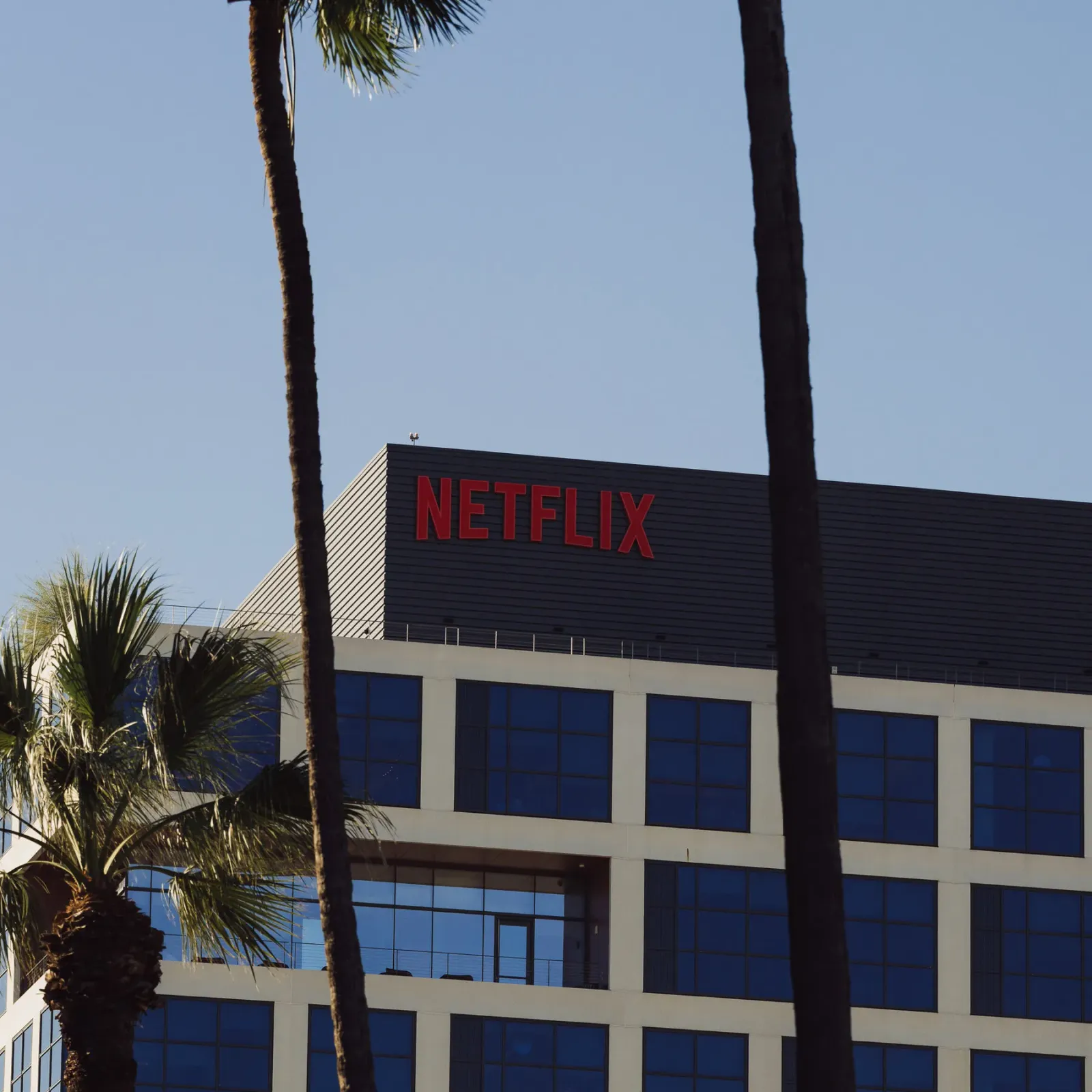
Netflix laid off 1,000 employees and ousted its chief content officer despite strong revenue and profit. The sudden shake-up is a warning that stock performance and viewer engagement are now the metrics that force board-level decisions.
Netflix just delivered a paradox in two acts. The streaming giant cut 1,000 jobs and jettisoned its chief content officer, even as its revenue and profits remained strong. The contradiction is the story. A company that prints money is acting like a company in crisis, and the reason is not the income statement but the market's mood and the remote controls of its subscribers.
The two culprits are a dropping stock price and falling viewer engagement. That is the framing from the New York Times report, and it explains why Netflix is hurrying to rewrite its narrative. When a company's valuation starts to depend less on quarterly earnings and more on perceived momentum, a chief content officer can become a scapegoat, and a 1,000-person layoff can be repositioned as prudent discipline rather than a retreat.
For the uninitiated, Netflix built its empire on a simple loop: borrow heavily, spend aggressively on original content, add subscribers, repeat. That loop powered a decade of exponential growth and made the company's content chief one of the most powerful people in Hollywood. But the loop has lost its magic. Subscriber growth has slowed, competition from Disney, Warner Bros. Discovery, and Apple has fragmented the audience, and investors have begun asking whether Netflix's library is an asset or an albatross. The layoffs and the firing are an admission that the old playbook no longer quiets the critics.
The removal of the chief content officer is the more consequential of the two moves. In a media company, the person who greenlights shows and movies shapes the brand, the culture, and the budget. By jettisoning that executive, Netflix's leadership is signaling that content alone is not the answer. The next phase of the story will be about efficiency, curation, and perhaps new business models like advertising, which Netflix has historically avoided. This is a pivot, not a tweak.
For executives in any industry, the lesson is about the difference between accounting reality and market reality. Netflix's profits are real, but its narrative was broken. The board and management decided that the fastest way to fix the narrative was to make visible, painful cuts, even at the cost of morale and institutional memory. That trade-off is common in turnarounds, but it is striking when applied to a company that has been a Wall Street darling for years.
The broader media landscape is watching closely. Streaming competitors have their own content chiefs, their own talent costs, and their own investors asking when the profits will arrive. If Netflix, the pioneer that defined the modern streaming era, is willing to slash jobs and fire its top programming executive to protect its stock price, no one is safe. The message to every media executive is blunt: engagement is the new currency, and the market will punish anyone who cannot deliver it, regardless of the profit and loss statement.
The coming quarters will reveal whether this strategy works. Netflix still has a massive subscriber base, a deep content library, and the ability to generate cash. But the sudden firing and the layoffs have changed the conversation. The company is no longer asking investors to believe in unlimited growth. It is asking them to believe in discipline. Whether that story lands will depend on the next earnings report, the next slate of shows, and whether the people who pay for Netflix keep pressing play.
For now, the takeaway for founders and operators is simple: when your narrative cracks, the org chart pays the price. Netflix just proved that even the most valuable company in streaming can be forced to make sudden, symbolic cuts to save its story. The question is whether those cuts will be enough to bring the audience, and the stock, back.
This story's Key Insights and Take-aways are locked.
Create a free account to unlock Executive Actions for one credit.
Register to UnlockAlways free for Executives Club members. Join the Club
More in Business

Elon Musk just showcased a flying car - and it wasn't at Tesla
The Tesla CEO's latest reveal came at SpaceX, not Tesla, signaling where vertical mobility is headed.

Apple's $2,000 iPhone Duo opens preorders, taking on Samsung and Google
Apple's first foldable hits the market at a premium price, reshaping a category Samsung and Google have led.

Pope Leo XIV, first American pope, diagnosed with lung cancer
The 71-year-old Chicago-born pontiff underwent successful surgery on his right lung, and his diagnosis raises new questions about his AI-focused papacy and the Vatican's future.