
Netflix quietly demotes Ryan Gosling’s The Gray Man after 139M views
The streaming giant’s AI-era ranking shuffle ends the CIA thriller’s long Top 10 run.
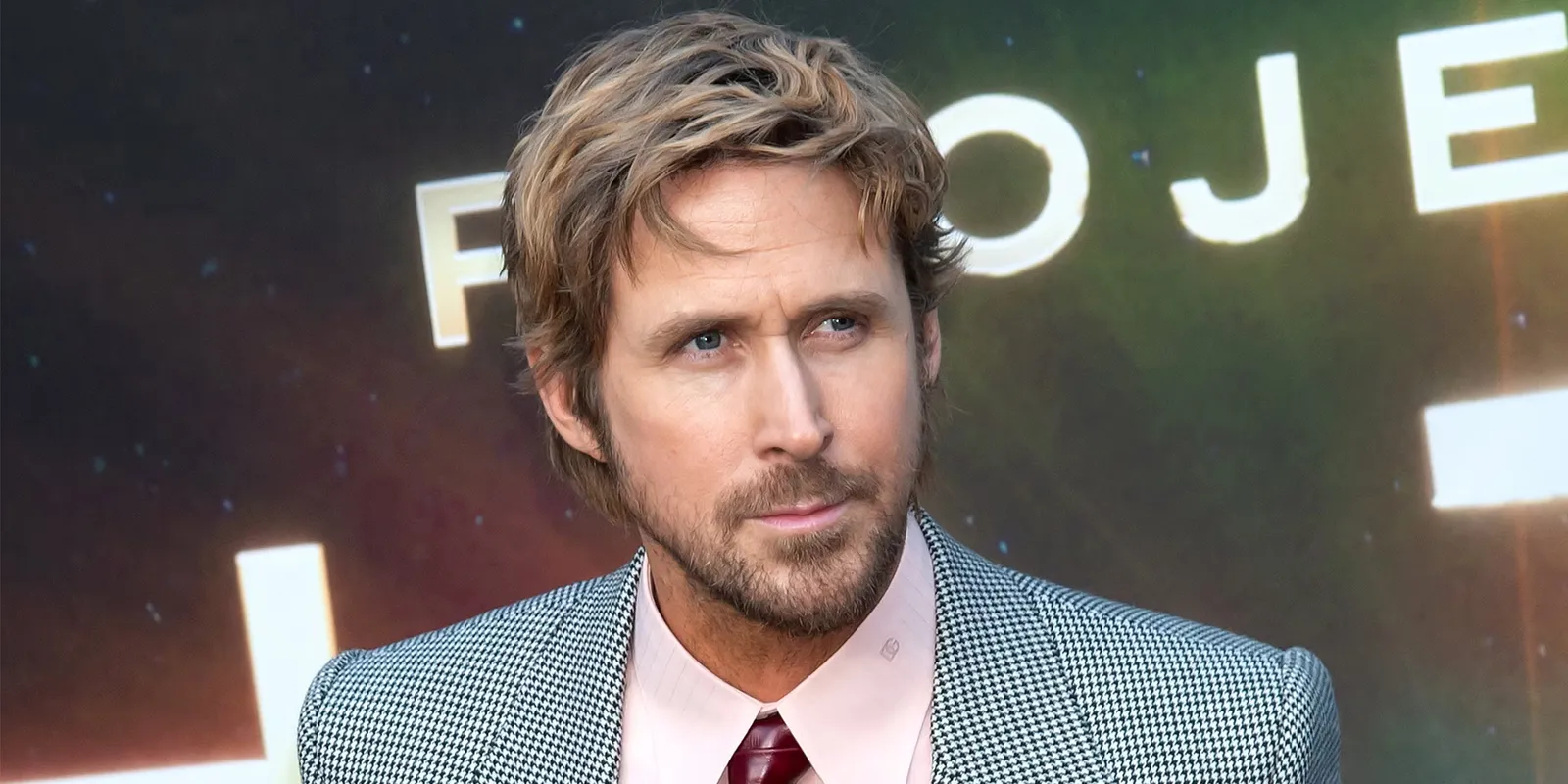
Netflix has effectively marked the end of Ryan Gosling’s action thriller The Gray Man as its view momentum stalls after 139 million views. The consequence for decision-makers: a fantasy hit replaces it in Netflix’s ranking hierarchy, reshaping how studios and investors read “biggest on Netflix” success.
Netflix has “officially” moved on from Ryan Gosling’s CIA action thriller The Gray Man, even though the movie previously looked untouchable. The Gray Man, which racked up nearly four years of status as one of Netflix’s biggest and most popular releases, is now losing rank to a fantasy hit after amassing 139 million views.
That 139 million number matters because it is the kind of audience scale that usually buys staying power. Collider reports that The Gray Man secured a permanent spot in Netflix’s all-time Top 10, and it held that position for a long stretch. But this is the part decision-makers should notice: the “all-time” framing did not prevent Netflix’s ranking dynamics from resetting as newer competitors performed better. In other words, view totals do not freeze market perception. They just give a film time to earn a reputation that the platform can still outrank.
To understand why Netflix can make a movie feel like it is “over” even when the audience is massive, you have to look at how streaming success gets interpreted. Netflix’s internal narrative is built around rankings, category positioning, and what is driving engagement now. A title can be a historic performer and still lose the day-to-day attention war when another film arrives with stronger current momentum. That is likely what is happening here, because Collider ties the change directly to one of 2026’s “biggest surprise hits,” described as a fantasy movie that is now climbing past The Gray Man.
The Gray Man’s situation is a reminder that streaming is not a museum. It is a scoreboard. Over years, audiences accumulate around an IP, a cast, or a marketing wave. But Netflix’s ranking emphasis also means the latest widely watched title can pull attention back to the top, even if earlier content remains popular. The platform’s Top 10 is not just a biography of past hits. It is also a signal to viewers and to the industry about what Netflix is currently pushing, promoting, and leaning into.
Second-order implications flow straight into studio strategy. Action thrillers, especially franchise-adjacent ones, can look like safe bets because they cross borders and age groups. Ryan Gosling headlining adds another layer of evergreen appeal. Yet the fact pattern here shows that even a highly watched, long-running Netflix tentpole can be displaced when a competitor creates a fresher “must-watch” moment. For executives, that changes how you interpret greenlights: not just “Will it get huge views?” but “Will it still matter in Netflix’s ranking ecosystem months or years later?”
There is also an investor and board-level angle to this. When companies talk about content performance, there is often a temptation to anchor to long-term view figures and Top 10 references as if they are durable value. Collider’s reporting points to a more dynamic reality. Netflix can celebrate the run and still shift what it considers the top performer once another title outperforms in the current cycle. That affects how board members underwrite future slates, how finance teams model content longevity, and how leadership measures whether a film is merely successful or competitively dominant.
Finally, this is not happening in a regulatory vacuum, and it is worth connecting the dots carefully. Globally, streaming platforms operate under scrutiny around competition, disclosure, and media policy. The Gray Man story itself does not cite specific regulatory action, but the broader environment matters because regulators and public stakeholders often care about market power, catalog control, and how platforms influence consumer choice. Ranking shifts, like the one described by Collider, underscore the platform leverage that regulators tend to focus on: Netflix can materially change which narratives viewers see as “the best,” and that can influence what studios prioritize for future deals.
For executives and peers building strategy in streaming and media, the stake is straightforward: you can win big and still get dethroned. The Gray Man had nearly four years of being treated as one of Netflix’s biggest and most popular movies, it landed in the all-time Top 10, and it reached 139 million views. Yet a newer fantasy hit is now taking the higher rank. The takeaway is not that scale is meaningless. It is that Netflix’s ranking hierarchy is a living system. Your job is to plan for the next displacement, not just the first headline.
This story's Key Insights and Take-aways are locked.
Create a free account to unlock Executive Actions for one credit.
Register to UnlockAlways free for Executives Club members. Join the Club
More in Entertainment

12TB Steam 'teraleak' goes beyond Valve: GTA 3, Mafia 2 prototypes exposed
A 12-terabyte dump of Steam data reveals prototypes and builds of third-party classics like GTA 3 and Mafia 2, plus unreleased Valve content, rewriting game history.

LinkedIn's romance problem: 1 in 4 workers say dating on it is fair game
A new survey shows a quarter of U.S. employees treat the professional network as fair game for romance, even as LinkedIn bans it and removes hundreds of thousands of offending posts.

Enhypen's first No. 1 album breaks K-pop's Billboard 200 streak
The K-pop group's 98,000-unit debut tops the chart while Dolly Parton's catalog reentry shows how death reshapes streaming.