
Netflix remakes One Piece again, with WIT Studio, in a 7-episode season launching Feb 2027
The streaming giant uses a manga-faithful animation style and familiar Luffy voice to reboot the anime fit for modern binge culture.
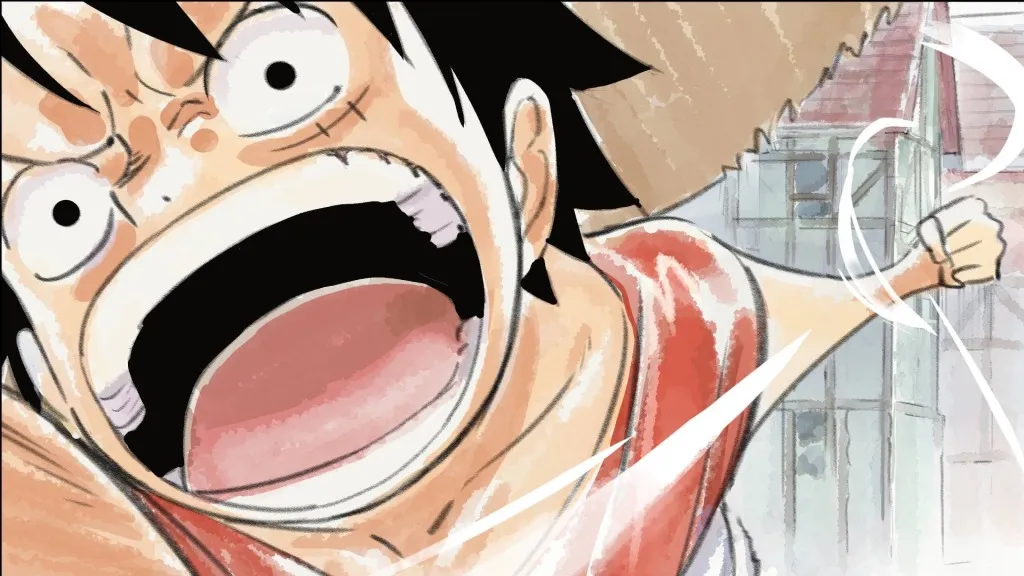
Netflix is launching another One Piece adaptation, The One Piece, produced by WIT Studio, with a teaser outlining a Feb 2027 debut. For decision-makers, it signals how Netflix is using format control, not just licensing, to manage massive IP scope and audience expectations.
Netflix is doing something it rarely bothers with unless it thinks the upside is real: it is remaking One Piece again, but this time with a shorter, modernized anime package. The One Piece, Netflix’s other One Piece remake beyond its live-action series, is set to debut on Netflix in February 2027, and the new trailer makes one thing painfully clear. This version is designed to feel current without demanding viewers commit to an 1,100-plus episode marathon.
The push is anchored by WIT Studio, the animation shop behind Spy X Family and Attack on Titan, and the rollout is built around what Netflix expects today’s audiences can tolerate. The first season will adapt the first 50 chapters of the manga in seven, 40-minute episodes, all dropping at once. That is not a random production choice. It is Netflix engineering the viewing experience so fans who might love the story but feel overwhelmed by the original anime’s episode count can still get a tight entry point.
Why does Netflix keep returning to One Piece, a franchise whose core animated version has been running since 1999 for more than 1,100 episodes? Because Netflix already proved there is demand for an accessible gateway to the Straw Hat Pirates, and the company is now trying to solve a specific problem: modern viewers may not react the same way to older animation formats or pacing. According to George Wada, co-founder and CEO of WIT Studio, this version is guided by creator Eiichiro Oda’s rationale. Wada said in March that One Piece has become very long and full of details since it started so long ago, and that the new generation watching modern productions may not feel the same excitement toward the old animation.
In other words, this is not just a cash grab using famous IP. It is Netflix and its studio partners attempting to translate “long-running masterpiece” into “bingeable product” without losing the essence of the source material. The teaser is part of that message. It “sports a modernized animation style that’s more in line with creator Eiichiro Oda’s original manga,” signaling that Netflix is trying to earn credibility with fans who care about visual tone, not just story beats.
This also answers a second, more operational question: what if Netflix cannot or should not remake everything? The source says Netflix “brought back the original anime’s star, voice actor Mayumi Tanaka,” so he will reprise the role of Monkey D. Luffy. That matters because animation remakes can feel like replacements, but keeping the voice talent offers continuity. It is a practical way to reduce churn among longtime viewers who have learned the character through the original performances.
Then comes the third layer: Netflix is reportedly positioning the new anime as a more mature adaptation. The source says it will “explore the darker side of piracy,” including war and race. That framing is strategically loaded. One Piece is famously expansive, and not every adaptation goes looking for the weightier themes early. Netflix’s pitch, through this maturity shift, is that it can match the emotional range without inheriting the original anime’s long-form sprawl.
The February 2027 timing also matters in the broader Netflix scheduling logic. The source notes that The One Piece will debut on Netflix in February 2027, “along with the streamer’s live-action One Piece, which returns sometime next year.” For decision-makers, that is a parallel-slash-cascade strategy: keep the brand conversation hot across formats while maintaining different “entry experiences.” One version is live-action and likely targets viewers who prefer realism. The other is anime, remade for modern animation expectations and binge habits.
And this is where the second-order implications land for anyone building or funding IP-driven content. Netflix is not only licensing distribution. It is shaping the product itself: episode count, season structure, animation style, and voice continuity. If you are a studio exec, an investor, or a board member watching media economics, the headline lesson is that Netflix is using format control as a competitive lever. It is turning an enormous, difficult-to-watch catalog into a manageable season with a clear conversion path from “interested” to “finished.”
The stakes for peers are straightforward. If Netflix succeeds, it reinforces a model where even the longest franchises can be repackaged into modern consumption units without abandoning fan legitimacy. If it stumbles, it will still have created a blueprint for how to tackle giant IPs: compress scope, modernize presentation, keep a continuity anchor, and align content maturity with platform expectations.
This story's Key Insights and Take-aways are locked.
Create a free account to unlock Executive Actions for one credit.
Register to UnlockAlways free for Executives Club members. Join the Club
More in Entertainment
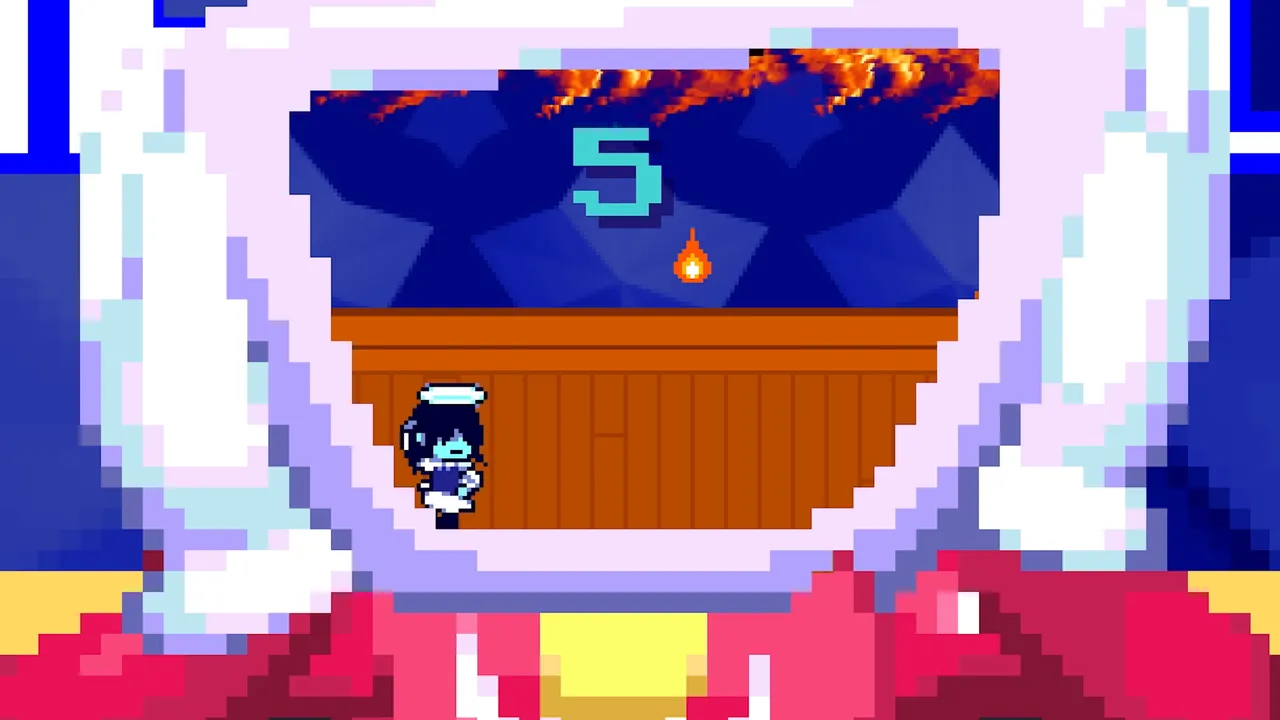
Deltarune Chapter 5 smashes 300,000 Steam peak just minutes after launch
Within minutes, Toby Fox's episodic RPG blows past its own record, changing what “momentum” looks like on Steam.

Chuck Tingle writes a Warhammer 40K Tingler about Warpounder miniatures and spending $
His latest short erotic fiction leans hard into the Warhammer obsession loop: the hobby purchase, the unfinished paint job, and the payoff.
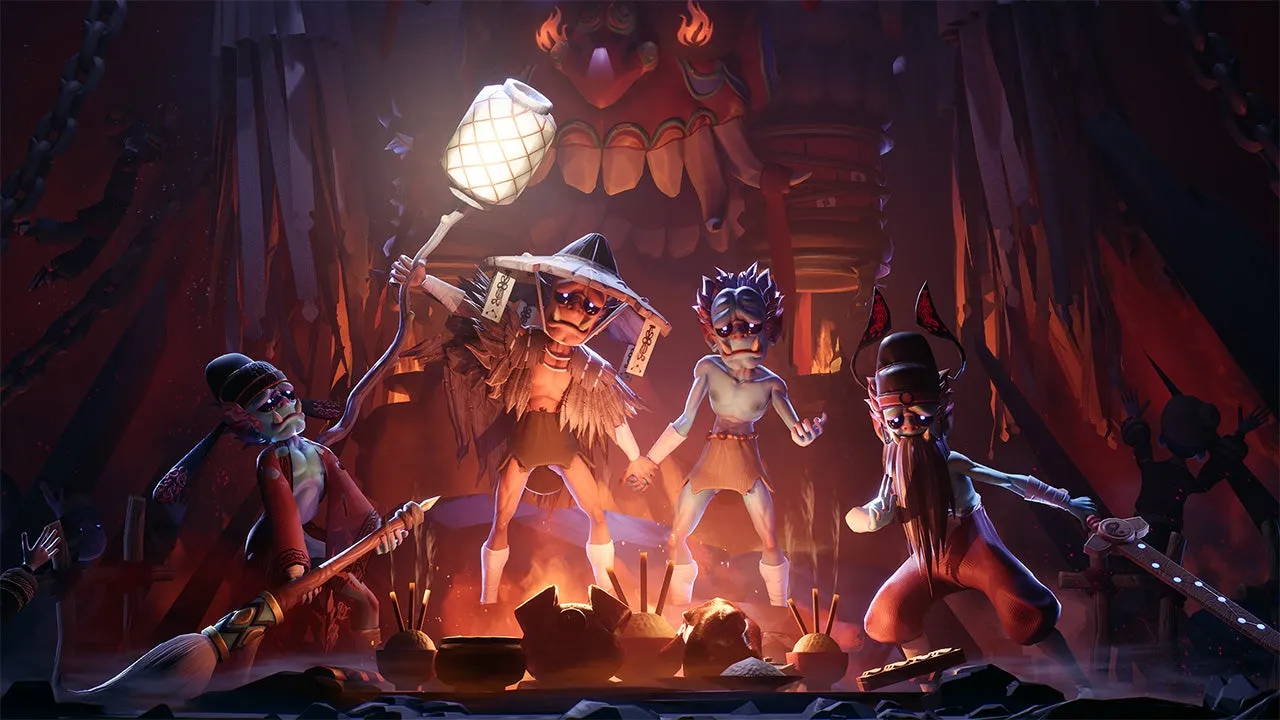
Hundred Nights: DIFU turns purgatory into an underworld ops simulator with D-Cash losses
A Two Point-style management loop, built on Chinese mythology, where staffing, decor, and punishment all affect your balance sheet.