

Netflix’s KPop Demon Hunters adds nine-phone huggers to its blind box lineup
CultureFly drops a $11.99 mystery accessory set that expands the collectibles flywheel for the Oscar-winning musical hit.
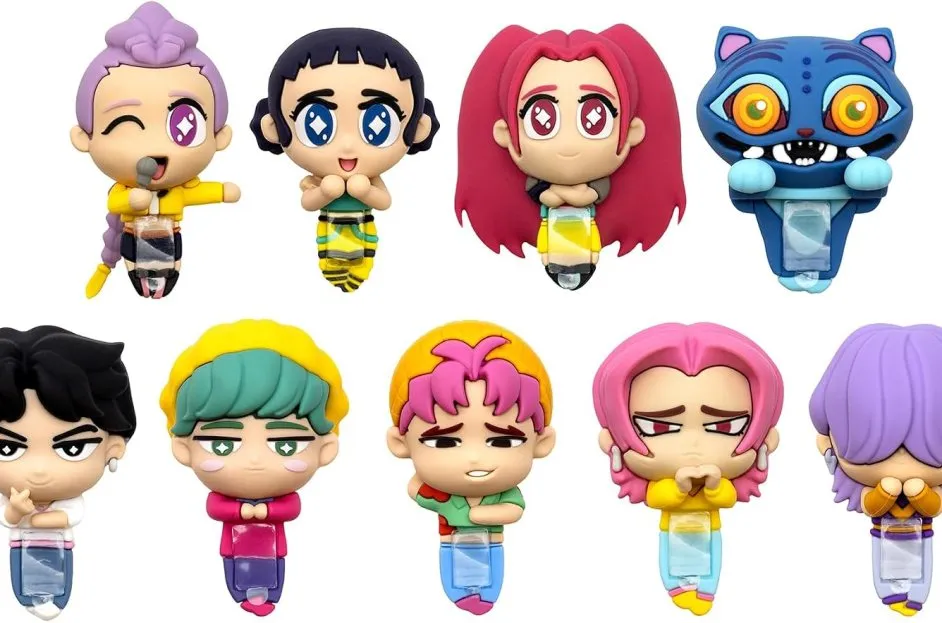
Netflix’s KPop Demon Hunters is getting a new CultureFly blind box featuring phone huggers, continuing its collectibles expansion. The release adds nine possible silicone minifigures and raises the stakes for how IP franchises monetize attention, not just subscriptions.
Netflix’s KPop Demon Hunters is doubling down on physical fandom with a new CultureFly blind box: phone huggers built around the show’s characters. Each box includes one mystery silicone minifigure chosen from nine possible designs, priced at $11.99 on Amazon, and duplicates are possible. If you are an exec watching how entertainment brands turn cultural momentum into cash, this is the pattern to notice.
Here is the core mechanic, and it matters: one mystery figure per box means buyers cannot choose which character they get, and the collection is designed for repeated purchases until fans “complete the set.” The nine-character lineup includes all three members of HUNTR/X (Rumi, Zoey and Mira), the Saja Boys (Jinu, Romance, Mystery, Abby and Baby), plus the fan-favorite blue tiger, Derpy. These figures are made from flexible silicone and are designed to grip the edge of a phone, tablet, computer monitor or other flat surface without leaving sticky residue when removed or repositioned.
This is not a random merch drop. Billboard frames KPop Demon Hunters as one of Netflix’s biggest success stories, with its soundtrack dominating streaming charts and “Golden” winning an Oscar. The collectibles are just the latest layer on a franchise that is already converting music-driven interest into broader brand awareness. When an IP is riding a wave, the question for operators is whether merchandising stays additive or becomes a distraction. The “blind box” model is a specific answer: it manufactures repeat demand by turning selection into suspense.
CultureFly is also not new to this playbook. Billboard notes that the new phone-hugger blind box joins previous collectibles, including instant noodle-themed blind boxes, Funko Pops, and keychain charms. In other words, the strategy is cumulative. Each product line keeps the fanbase inside the same universe, and each new item gives collectors a reason to revisit. Blind boxes are especially good at creating that “one more” energy because you can get stuck chasing the missing figure, not just the item itself.
There is also a timing signal. Momentum “shows no signs of slowing down,” according to Billboard, because the fictional musical trio is set to embark on a global concert tour that will bring the movie’s music to live audiences. For executives, the implication is practical: live events tend to spike attention, and merchandise can capture that spike at multiple points, not only at theaters or on launch day. A collectible that pairs a character with a daily-use object, like a phone huggers display, is built to remain visible long after the initial buzz.
The product details reveal another important second-order effect: these accessories are intended as decorative pieces rather than functional phone grips or stands. That distinction can influence customer expectations, returns, and brand perception. Billboard is explicit that the figures grip the edge of flat surfaces without sticky residue, and the figures are designed for gripping and repositioning, not replacement of a stand. In a collectible business, that clarity helps reduce mismatch between marketing promise and real-world use.
If you are thinking like a board or CFO, this is also about how you measure success. Blind boxes and character accessories sit in a different performance category than subscriptions: they monetize attention with inventory-based sales, and they can smooth revenue across a longer lifecycle if demand is sustained. Billboard notes that “duplicates are possible when purchasing multiple boxes, but that’s part of the fun of collecting them.” That candid acknowledgment is a tell. The model is built around repeat purchases, and companies typically need to manage supply chain, assortment planning, and retailer expectations accordingly.
Finally, this move lands in a broader cultural economy where streaming hits increasingly behave like consumer brands. KPop Demon Hunters is not only an animated musical and Oscar-winning song success; it is also an engine for ongoing merchandise and collectibles. Similar franchises will take note because the competitive threat is not just another show launch, it is another brand capturing the same “fan wallet” with ever more touchpoints. The phone-huggers blind box is one more proof that the next battleground for entertainment businesses is turning fandom into physical ritual, then scaling it while the soundtrack, awards, and touring momentum are all still running.
This story's Key Insights and Take-aways are locked.
Create a free account to unlock Executive Actions for one credit.
Register to UnlockAlways free for Executives Club members. Join the Club
More in Entertainment
Ali G's 'stooge' says he was in on joke, outplayed Sacha Baron Cohen
A 54-year-old aspiring actor says he recognized Sacha Baron Cohen mid-shoot, kept his MAGA act up, and let the film-makers think they had fooled him.

Entertainer Russell Brand denies 7 sex charges amid accuser's 'couldn't breathe' claim
The alleged victim's account sharpens the reputational and legal stakes for Brand, his platforms, and any business tied to a public figure under criminal scrutiny.

Russell Brand's accuser 'bewildered and confused' as he denies 7 sex charges
The criminal case against the comedian is a live test of how media companies manage talent risk when serious allegations go public.