
Netflix secured “Sesame Street” movie rights, with Rideback producing
A major kids IP licensing win signals where Netflix is placing its family pipeline and partner bets.
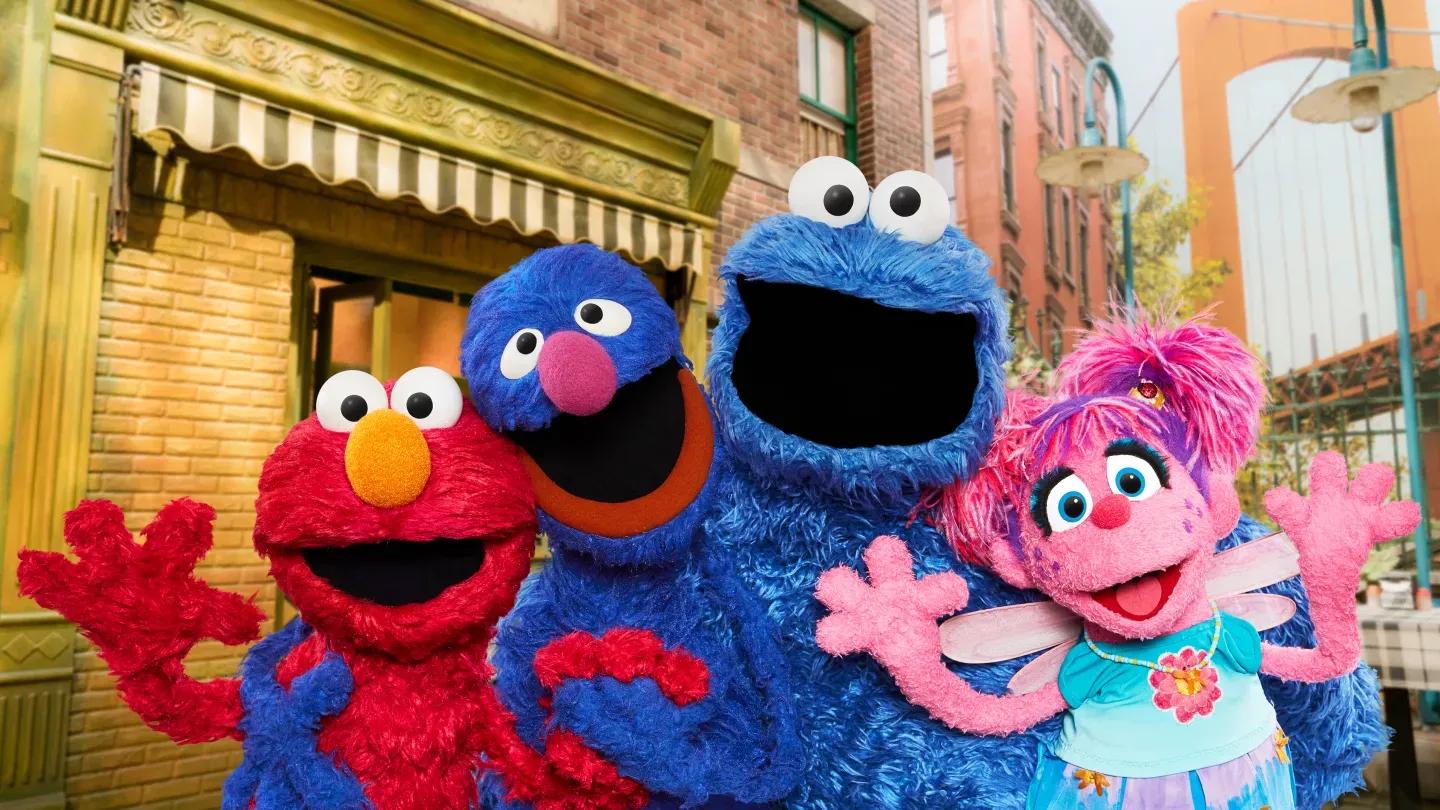
Netflix has won movie rights to “Sesame Street,” and Rideback, the production company behind live-action “Lilo & Stitch” and “Aladdin,” will produce. For decision-makers, the deal reinforces how Netflix builds brand-safe franchises and locks in premium family content through production partnerships.
Netflix has won movie rights to “Sesame Street,” and Rideback will produce the film(s). Rideback is the same production company behind the live-action “Lilo & Stitch” and “Aladdin” movies, both of which were big, mainstream, high-budget studio events. In other words, this is not a niche kids title landing on a small screen. It is a rights acquisition that points directly at Netflix’s family-film strategy, and it comes with a production partner that has already navigated the pressure cooker of translating beloved animated IP into live-action.
Why does this matter right now? Because the “Sesame Street” brand is one of the rare IPs that already comes with built-in trust from parents and recognition from kids. Netflix is paying to put that trust into a movie format, and Rideback brings a track record for exactly that kind of adaptation. If you are sitting on a studio slate, a board watching content spend, or an executive tasked with building a defensible catalog, you care about three things: IP durability, execution risk, and the long-tail economics of owning or controlling distribution of familiar, repeatable properties.
At a market level, family content has behaved differently than much of the wider streaming catalog. When budgets rise and audiences spread out, the most bankable titles tend to be those with clear audiences and multi-year brand equity. “Sesame Street” checks the audience box better than almost anything else. It also reduces marketing guesswork. You do not have to invent a franchise from scratch. You have to convert existing affection into a new story and format, which is a different kind of challenge, but one Netflix clearly believes is worth paying for.
This is also a partnership play. Rideback brought the deal to Netflix, according to the report, and Rideback will produce. That detail matters because it clarifies how power gets distributed in Hollywood. Netflix is the platform with reach and cash for rights, while production companies run the creative and operational machinery that turns IP into deliverables that can survive both audience scrutiny and internal financial review. For Netflix, aligning with a production company that has already handled large-scale “live-action adaptation” missions gives the deal a credibility layer. For Rideback, landing a rights-driven IP win like this is a signal that it is operating in the center of Hollywood’s streaming-era content pipeline.
There is also a legal and governance angle, even if today’s news item is brief. Kids IP deals are typically surrounded by contractual complexity because they involve brand stewardship, character usage, and often licensing structures that require careful compliance. The reporting does not specify those terms, but the fact that Netflix “won” the movie rights suggests a competitive rights process where control mattered. In streaming, rights are not just paper trophies. They determine release windows, creative limits, distribution scope, and sometimes downstream options like merchandising or sequels. When Netflix secures rights for a property like “Sesame Street,” it is not only buying a story. It is buying the ability to plan a pipeline with less uncertainty about who has the say.
For other executives watching this, the second-order implication is straightforward: Netflix is using rights wins to strengthen its family slate with recognizable, evergreen IP and pairing those wins with producers that can execute. That combination is how streaming companies reduce volatility. If you are on a board, you want fewer bets that depend entirely on uncertain audience discovery. If you are a CMO or a content lead, you want titles with built-in demand drivers. If you run a studio or production company, you want to understand the kind of partner Netflix is picking when it decides it needs a property that parents will recognize and kids will keep watching.
So while the headline is clean, the stakes are real. A “Sesame Street” movie rights win, produced by Rideback, is a vote for the idea that family entertainment is one of Netflix’s most reliable growth vectors, even when the broader streaming market is crowded. The strategic message to peers is that Netflix will keep pursuing IP that can travel across formats, supported by production teams that have already proven they can turn beloved stories into events.
This story's Key Insights and Take-aways are locked.
Create a free account to unlock Executive Actions for one credit.
Register to UnlockAlways free for Executives Club members. Join the Club
More in Entertainment
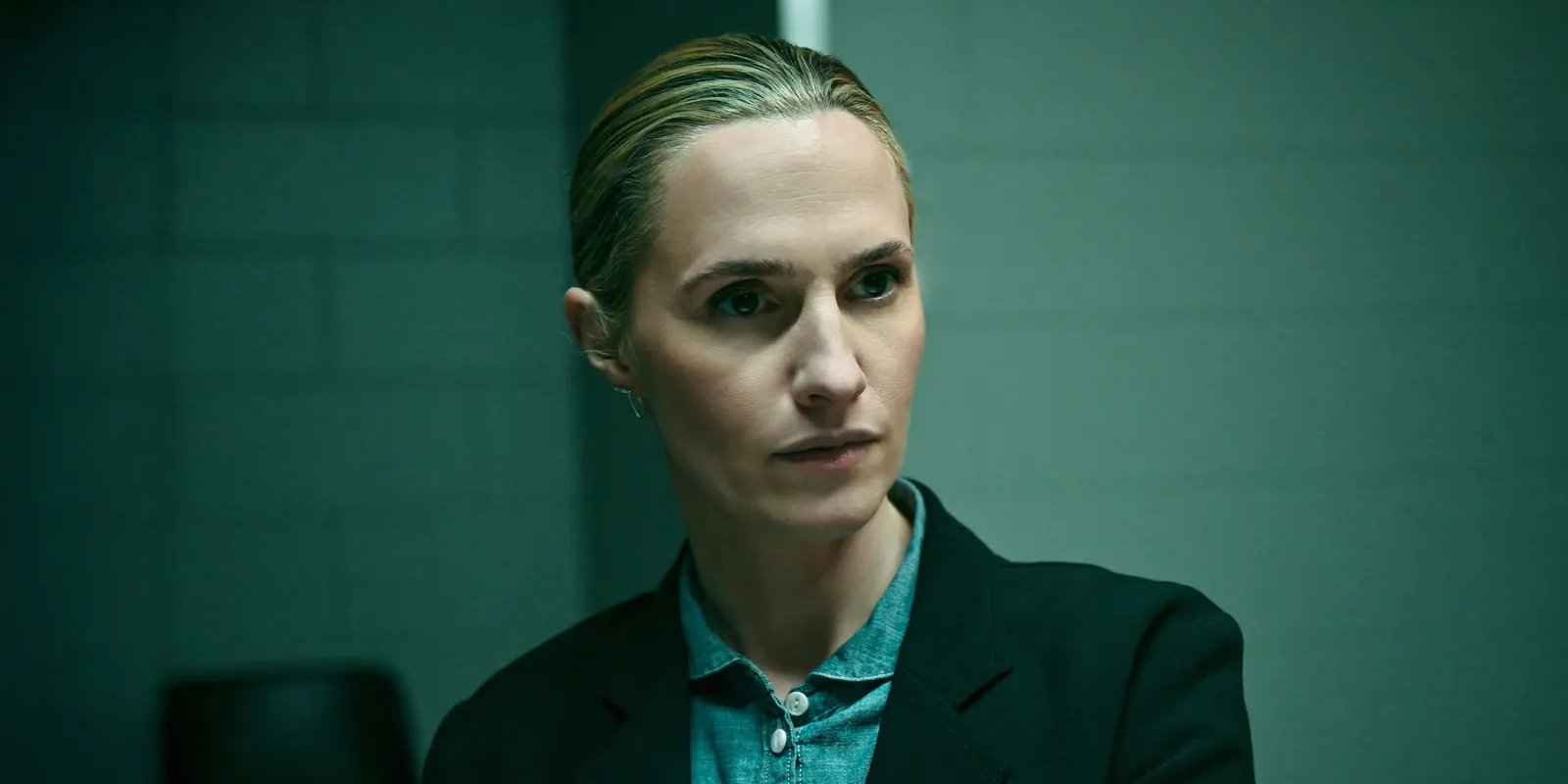
Slow Horses locks Season 6 on Sept. 16, then reshapes itself using two Mick Herron novels
Apple TV confirms the next outing and a format shift tied to Mick Herron's spy novels, changing how the show gets told.
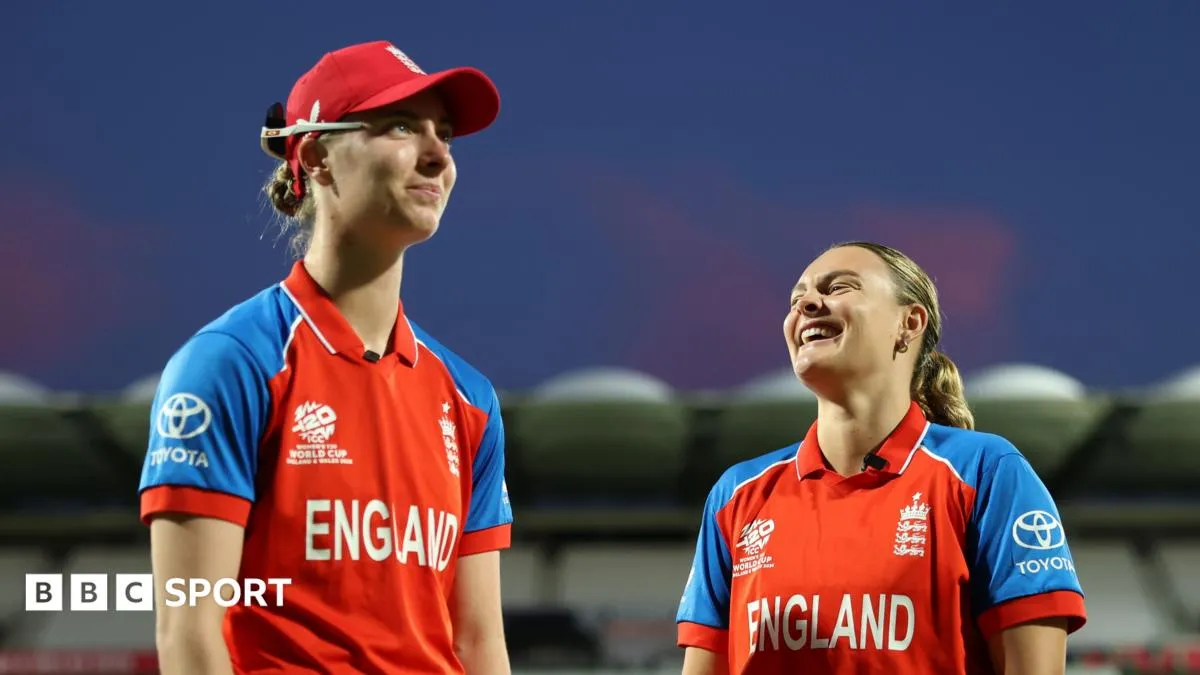
Freya Kemp and Dani Gibson blitz 61 off 21 balls as England fixes its middle order
A 61-run mini-recovery in white-ball cricket signals England may have cracked the middle-order problem.

2026 World Cup hits 100 goals in 33 games, fastest since 1958
The 2026 tournament reaches 100 goals in the 33rd game, so boards are asking what is driving the scoring spree.