

Netflix, Studio Trigger, and CD Projekt Red lock Cyberpunk: Edgerunners 2 for fall 2026
The team behind the 2022 hit confirmed a new cast and a fall 2026 release window, changing planning for streaming and IP budgets.
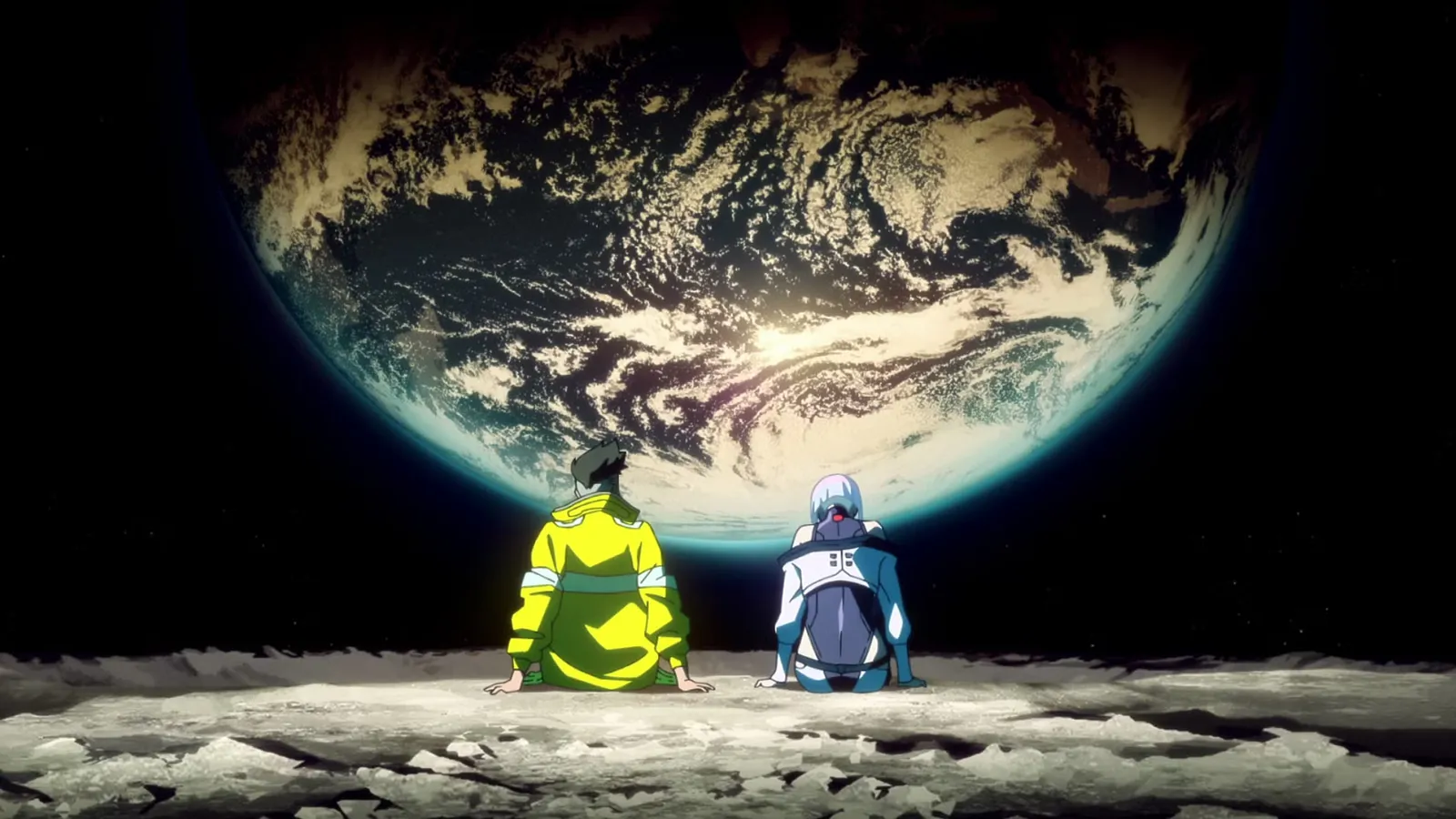
Netflix, Studio Trigger, and CD Projekt Red have confirmed Cyberpunk: Edgerunners 2 will arrive in fall 2026, following their 2022 anime. For decision-makers, the confirmation tightens production and launch-cycle planning around a major, already-proven IP franchise.
The sequel to 2022’s critically acclaimed anime Cyberpunk: Edgerunners is not vapor. Netflix, Studio Trigger, and CD Projekt Red have finally confirmed that Cyberpunk: Edgerunners 2 is coming this fall, with a specifically stated fall 2026 release window. They also confirmed a new cast of characters, signaling this is not a simple repeat season-by-season, but a deliberate expansion of the world.
For the people who run content calendars, the timing matters in a very unromantic way. A confirmed release window affects everything downstream: marketing launch timing, licensing and rights scheduling, production staffing, localization pipelines, and competitor planning across the streaming year. And it changes the math for investors and partners who build portfolios of IP. This is a property that already proved it can attract attention at scale, and now the original creators have moved from “maybe someday” to an actual season slot.
To understand why executives should care, zoom out for a second. Netflix and other streamers do not treat animated series like one-off experiments. When an anime adapts or extends a major IP universe, it can become a long-tail asset that boosts franchise awareness far beyond the episodes themselves. Cyberpunk is a particularly potent category because it already has multiple touchpoints across games and other media. That creates a compound effect: a new show can drive interest back into the broader ecosystem, while the existing audience brings instant name recognition to the screen.
Studio Trigger’s involvement also carries weight in boardroom terms, even if you never watch the studio’s work. Studio Trigger is known for a distinct creative style, and when that style meets a strong brand, it tends to generate both fan loyalty and cultural noise. For decision-makers, that means risk can be managed differently than with purely original animation. IP gravity helps. But it also raises expectations. The new cast of characters implies the creators are not just trying to coast. They want new entry points for viewers, potentially widening the funnel while still keeping the audience that made the first series a breakout.
Then there is CD Projekt Red, the other half of the IP engine. When a studio like CD Projekt Red confirms a release window and a sequel, it effectively signals internal confidence that the franchise can support another wave of attention. For partners and competitors watching this, the second-order implication is simple: big IP franchises get treated like multi-year platforms, not isolated campaigns. The longer the platform runs, the more valuable it becomes for cross-media strategy, and the more scheduling pressure it puts on everyone else in the category.
The “fall 2026” piece is also a planning lever for regulators and compliance teams, even if they are not thinking in terms of anime fandom. Production and distribution timelines intersect with broader content oversight frameworks: advertising rules, age ratings, and platform-specific compliance processes. When a release window locks in, those teams can align checklists earlier, rather than scrambling at the last minute. That reduces operational risk, and it helps streaming platforms avoid the costly delays that can happen when a series misses internal or external milestones.
There is also a competitive signaling effect. Netflix, Studio Trigger, and CD Projekt Red have now put their flag in the ground for a specific future slot, which means rivals can react. Competitors do not like surprises, especially not ones tied to recognizable franchises. If you manage a streaming slate, another major IP entry for a fall window changes how you think about your own release pacing, marketing spend allocation, and whether you double down on originals or lean more heavily on known IP.
In short, Cyberpunk: Edgerunners 2 moving from confirmed to scheduled is a strategic moment. The first series was a hit in 2022. The sequel is now set for this fall, with a fall 2026 release window, plus a new cast of characters. For executives building content strategies, budgeting, and partnership roadmaps, this is a reminder that successful IP is not just something you license. It is something you schedule, staff, and scale across years. And now, the schedule has arrived.
This story's Key Insights and Take-aways are locked.
Create a free account to unlock Executive Actions for one credit.
Register to UnlockAlways free for Executives Club members. Join the Club
More in Entertainment

Universal allegedly left a $6,000 repair invoice unpaid for The Odyssey’s Viking ship
The owner says the Glad av Gillberga was damaged on set and an invoice for materials never got paid, despite repairs.

India’s paid music subscribers may reach 30M by 2028, EY-IMI projects
A forecast jumps from about 14M in Dec 2025 to 28M-30M in 2028, reshaping who can profit in streaming.

24 years after Mal Reynolds, Nathan Fillion flips his sci-fi hero role in Lanterns
For studio and audience strategists, Fillion’s Lanterns casting shows how nostalgia gets retooled into a fresh kind of hero.