

Netflixs The Last Kingdom gives Game of Thrones fans a 5-season binge with Uhtred
A near-perfect five-season medieval epic on Netflix, built from Bernard Cornwell, is the real weekend substitute.
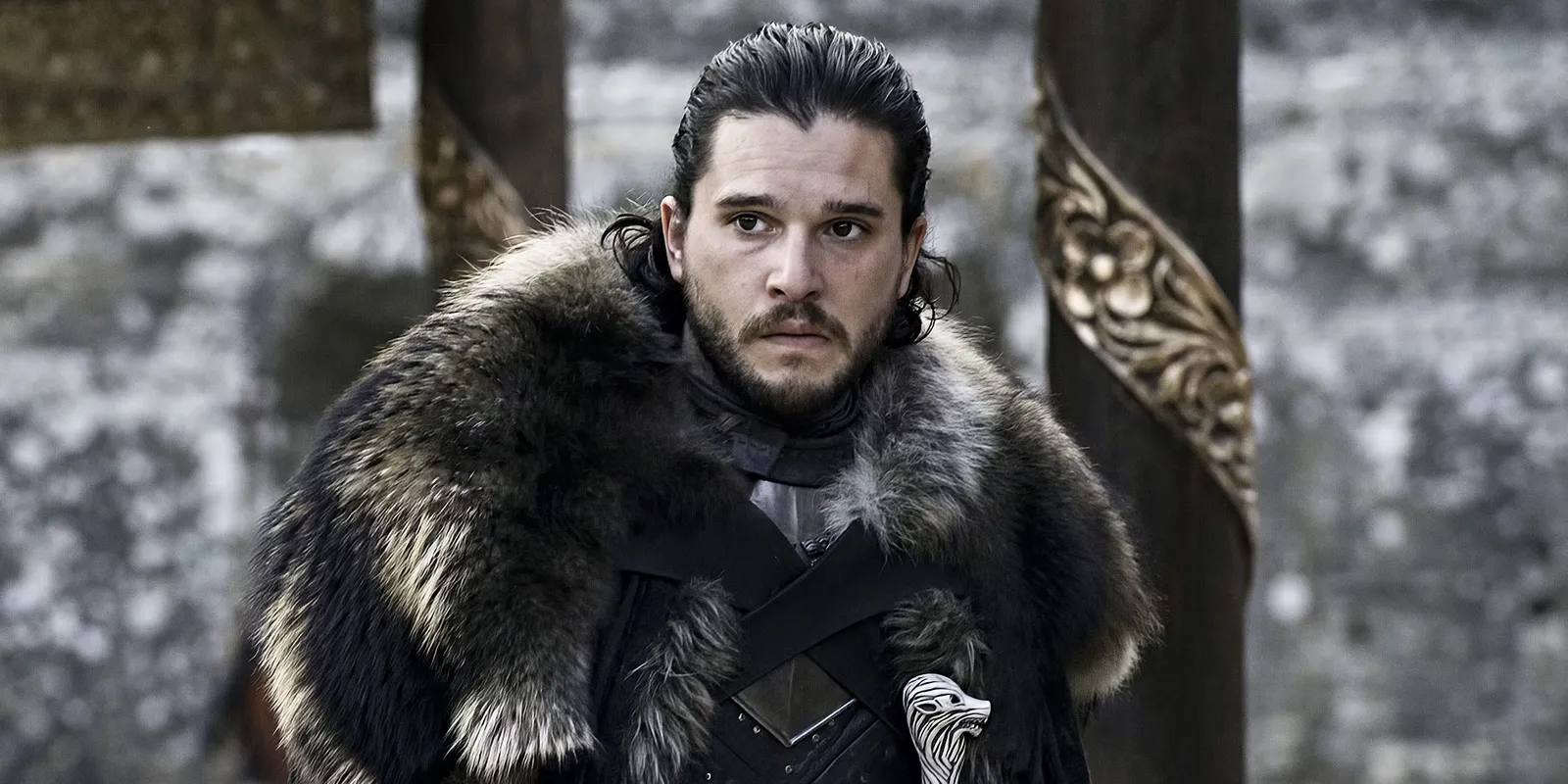
Netflixs The Last Kingdom delivers a near-perfect five-season adaptation of Bernard Cornwells historical fiction series, plus one movie. For decision-makers, it signals how reliably audiences reward quality, story-driven genre content when big franchises hit downtime.
House of the Dragon Season 3 is heading toward its finale, and fantasy viewers are already scanning for their next obsession. The problem is familiar: Game of Thrones sets the bar so high that most “medieval” alternatives feel like appetizers. Netflixs The Last Kingdom solves that by being, per the source, an “underrated” binge with five near-perfect seasons and one movie. If you are a platform operator or an investor thinking about what fills audience attention when a headline franchise ends a run, this show is a surprisingly clean case study.
At the center of it is Uhtred of Bebbanburg, played by Alexander Dreymon, moving through some of the defining moments of English medieval history. That framing matters because The Last Kingdom is not leaning on dragons or fantasy geography as its primary engine. It is built around historical fiction, adapted from Bernard Cornwells celebrated book series. So when viewers look for a replacement for Game of Thrones, they are not just craving high production value. They are craving momentum, character clarity, and a world that makes you feel like every episode advances the larger story.
To understand why The Last Kingdom lands for binge culture, you have to look at how genre markets evolved around the zeitgeist created by blockbuster prestige TV. The source notes that there are now “many fantasy and medieval-inspired shows around,” but few are as good and underrated as this one. That gap is the whole plot. When the market gets crowded, differentiation stops being about genre labels and starts being about execution. Five seasons is also a big deal for viewers and for business, because it signals the show sustained audience investment across cycles rather than relying on a single novelty spike.
From a programming and rights perspective, the five-season structure plus a movie suggests a content strategy built for long-term retention. Binge-friendly arcs are easier to sell when the catalog is coherent. Viewers do not want to start something that feels abandoned in season two. They want “weekend math” that works: enough seasons to settle in, enough story continuity to keep them there, and a franchise-like universe that gives you a reason to return after the last credits roll.
There is also a second-order implication here for how platforms think about brand adjacency. The source explicitly positions The Last Kingdom as the “ultimate Game of Thrones replacement.” That is a customer insight disguised as entertainment copy. If your audience is searching for that specific itch, they are likely willing to follow you into neighboring subgenres, as long as the show delivers on the same core satisfaction: narrative stakes, character consequence, and an episodic rhythm that makes it hard to stop.
Regulatory and compliance pressure is not front and center in the source, but it is part of the operational backdrop for any historical drama. Historical fiction is typically less likely than pure fantasy to raise the same concerns about speculative representation, but streaming platforms still have to manage classification, marketing claims, and jurisdictional sensitivities around depictions of violence, politics, and culture. In other words, the safer you can make the positioning while still delivering intensity, the easier it is to scale distribution and keep broad appeal. The Last Kingdom’s historical fiction premise gives it a natural legitimacy hook, which can reduce friction in how it is marketed and reviewed across different markets.
Then there is the investment angle for boards and leadership teams. The source calls the show a hidden Netflix gem and describes five “near-perfect seasons,” which points to the kind of quality that drives organic discovery. In competitive markets, organic discovery is leverage. It lowers the cost of customer acquisition and increases the odds that a title will survive the algorithm churn. It also makes the next scheduling decision easier: when you can confidently say you have a multi-season anchor that hits the same viewer intent as a major franchise, you can better manage audience demand during transition windows.
If you are leading a streaming studio, advising a content committee, or allocating capital to media portfolios, the lesson is simple but not simplistic: big franchises create downtime, but downtime creates demand for credible replacements. The Last Kingdom, with Uhtred of Bebbanburg (Alexander Dreymon) at the center, and Bernard Cornwells historical fiction series as its source material, is the kind of binge that can convert “waiting for the next Game of Thrones-level moment” into “staying inside your platform for the whole weekend.”
This story's Key Insights and Take-aways are locked.
Create a free account to unlock Executive Actions for one credit.
Register to UnlockAlways free for Executives Club members. Join the Club
More in Entertainment

Ali G's 'stooge' says he was in on joke, outplayed Sacha Baron Cohen
A 54-year-old aspiring actor says he recognized Sacha Baron Cohen mid-shoot, kept his MAGA act up, and let the film-makers think they had fooled him.

Entertainer Russell Brand denies 7 sex charges amid accuser's 'couldn't breathe' claim
The alleged victim's account sharpens the reputational and legal stakes for Brand, his platforms, and any business tied to a public figure under criminal scrutiny.

Russell Brand's accuser 'bewildered and confused' as he denies 7 sex charges
The criminal case against the comedian is a live test of how media companies manage talent risk when serious allegations go public.