

NextDC craters 40% as power backlash exposes data center's Achilles heel
Australia's leading data center operator just lost two-fifths of its market value over power problems, a warning shot for every digital infrastructure executive.
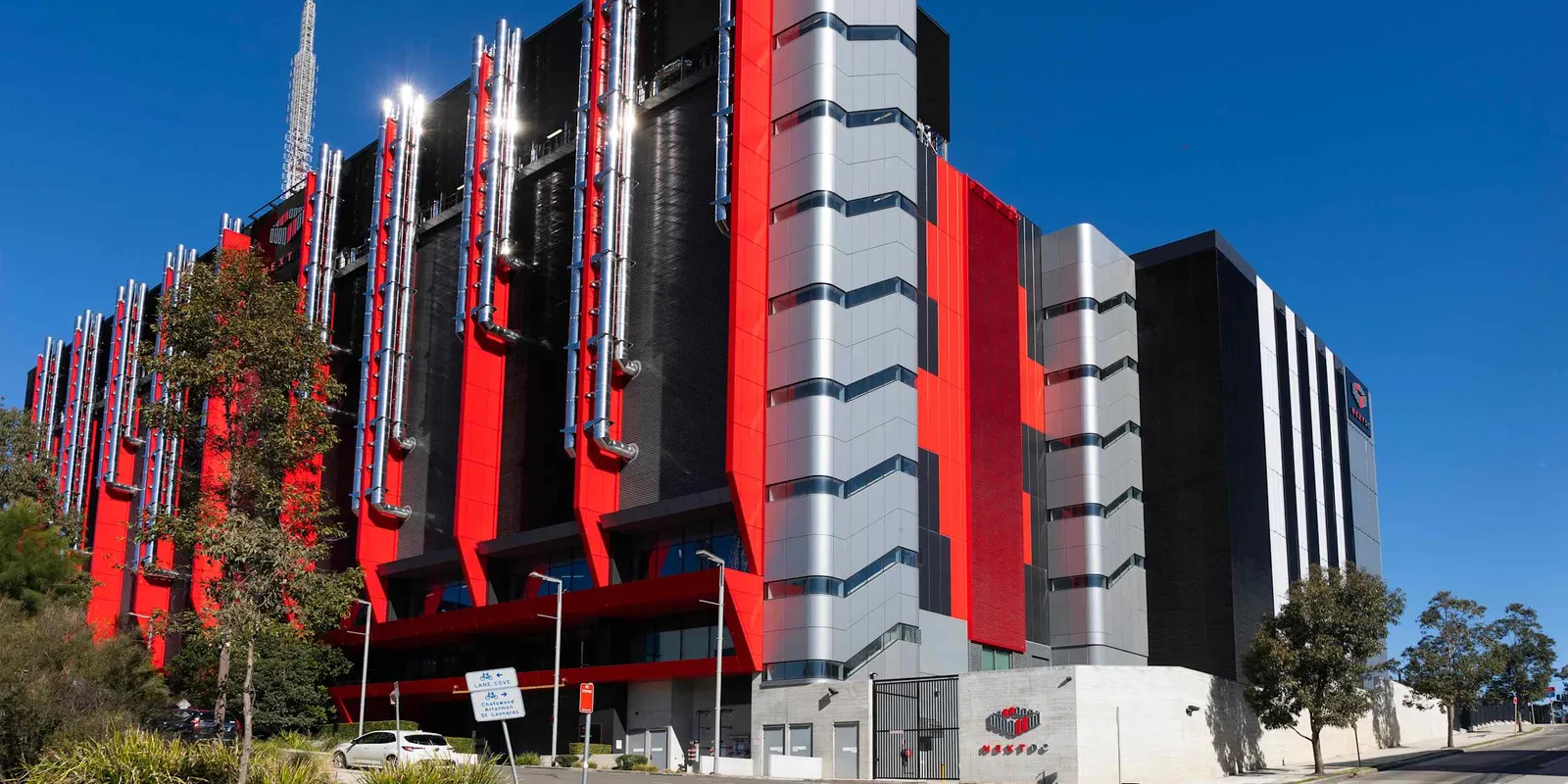
NextDC, the Australian data center operator, saw its shares fall 40% after investor backlash over power-related risks. For decision-makers, the collapse signals that electricity supply and cost are now existential threats to growth in the AI and cloud infrastructure boom.
NextDC, Australia's biggest listed data center operator, saw its shares crash 40% after a power backlash, a brutal repricing that erased billions in market value in a single session. The fall is a stark reminder that in the data center business, electricity is no longer a utility line item, it is the strategic bottleneck that can make or break a company's expansion story. Investors signaled they no longer trust the company's ability to secure affordable, reliable power for its planned capacity, and the market responded the way it always does to a broken core assumption: violently.
The backlash over power is really a backlash over growth credibility. NextDC has spent heavily in recent years to build out a pipeline of data centers across Australia and into Southeast Asia, betting that cloud and AI demand will keep filling racks. But data centers are among the most energy-intensive facilities on the planet, and a single large facility can consume as much electricity as a small city. When investors get wind that power supply, pricing, or grid connection timelines are under pressure, the mathematics of every future project shifts, and the same growth story that justified a premium valuation suddenly justifies a steep discount.
For context, NextDC is a homegrown challenger to the global cloud players, operating facilities for hyperscalers, enterprises, and colocation customers who need compute close to their users. Its business model depends on building capacity ahead of demand, and that means making long-term bets on land, construction, and critically, power. In Australia, the grid is already under strain as coal plants retire and renewable generation scales up, making firm power supply a scarce commodity. Data center operators across the country have been competing for grid connections and electricity contracts, and those with the least secure power positions are now being marked down by investors who understand the physics of the industry.
What makes the 40% move so striking is not just the size of the loss, but what it reveals about the market's shifted perception. Historically, data center operators traded like infrastructure plays, with predictable cash flows and stable returns. But the AI buildout has turned them into something closer to venture bets, where the winner is whoever can secure land, chips, and especially power before rivals do. That shift has raised the stakes for every CFO and project finance team in the sector, because a power setback is no longer a modest delay, it is an existential story that the market punishes without mercy.
The regulatory backdrop is also tightening. Australian energy policy has been in flux for years, with governments at both federal and state levels pushing for renewable targets while trying to keep prices down for households and industry. Data centers, as large new loads, often face scrutiny from grid operators and local communities worried about infrastructure costs and environmental impacts. A power backlash can take many forms, from a denied grid connection to a political fight over water and land use, and all of them have the same effect: they slow down the process of turning electrons into revenue.
For executives in the data center and digital infrastructure world, the NextDC episode is a case study in risk communication. Investors do not just want to hear that a company has a pipeline of projects, they want proof that each project has secured binding power agreements, firm grid capacity, and a realistic timeline for energization. When a company like NextDC is caught off guard by a power backlash, it suggests that energy risk was treated as an operational detail rather than a core strategic driver, and the market has little tolerance for that mistake.
The second-order implications stretch beyond NextDC and Australia. Every hyperscale campus under construction, every colocation expansion, and every AI data center proposed in the next decade will face the same question: can it get power, and at what price? The companies that win will be those who treat energy procurement with the same rigor as customer acquisition, locking in supply, hedging costs, and building relationships with utilities years before the first server is installed. Those that do not will find themselves sitting on expensive, dark shells of concrete and steel, which is exactly the outcome investors feared when they sold NextDC.
For CFOs and boards, the lesson is blunt. Power is no longer a cost center to be managed by facilities teams, it is the top-line constraint on growth, the thing that determines whether a company can even accept its customers' capacity requests. The NextDC 40% haircut is a preview of what happens when that reality is ignored, and the next earnings season will show whether other operators learned the lesson or are simply hoping their own power problems stay quiet.
This story's Key Insights and Take-aways are locked.
Create a free account to unlock Executive Actions for one credit.
Register to UnlockAlways free for Executives Club members. Join the Club
More in Business

A flaw in PHP just forced governments to pull their own sites offline
European agencies from Belgium to Germany took websites dark to patch a critical weakness in the language behind almost 70% of the web, and the blast radius extends far beyond government portals.

BioWare shuts down, Mass Effect 5 dead after $55B EA buyout
The legendary RPG studio's closure lands months after a $55 billion investment group buyout of EA, raising tough questions for gaming's biggest acquirers.
Musk weighs Tesla-SpaceX mega-merger as boards form review panels
Special committees at both companies will examine a tie-up that could fuse electric vehicles and space launch, forcing a fresh look at governance and valuation.