
Nigeria stops looking like a regional backwater and starts acting like a diplomatic powerhouse
Abuja’s foreign policy may look less flashy, but the reality is power growing quietly, not shrinking.
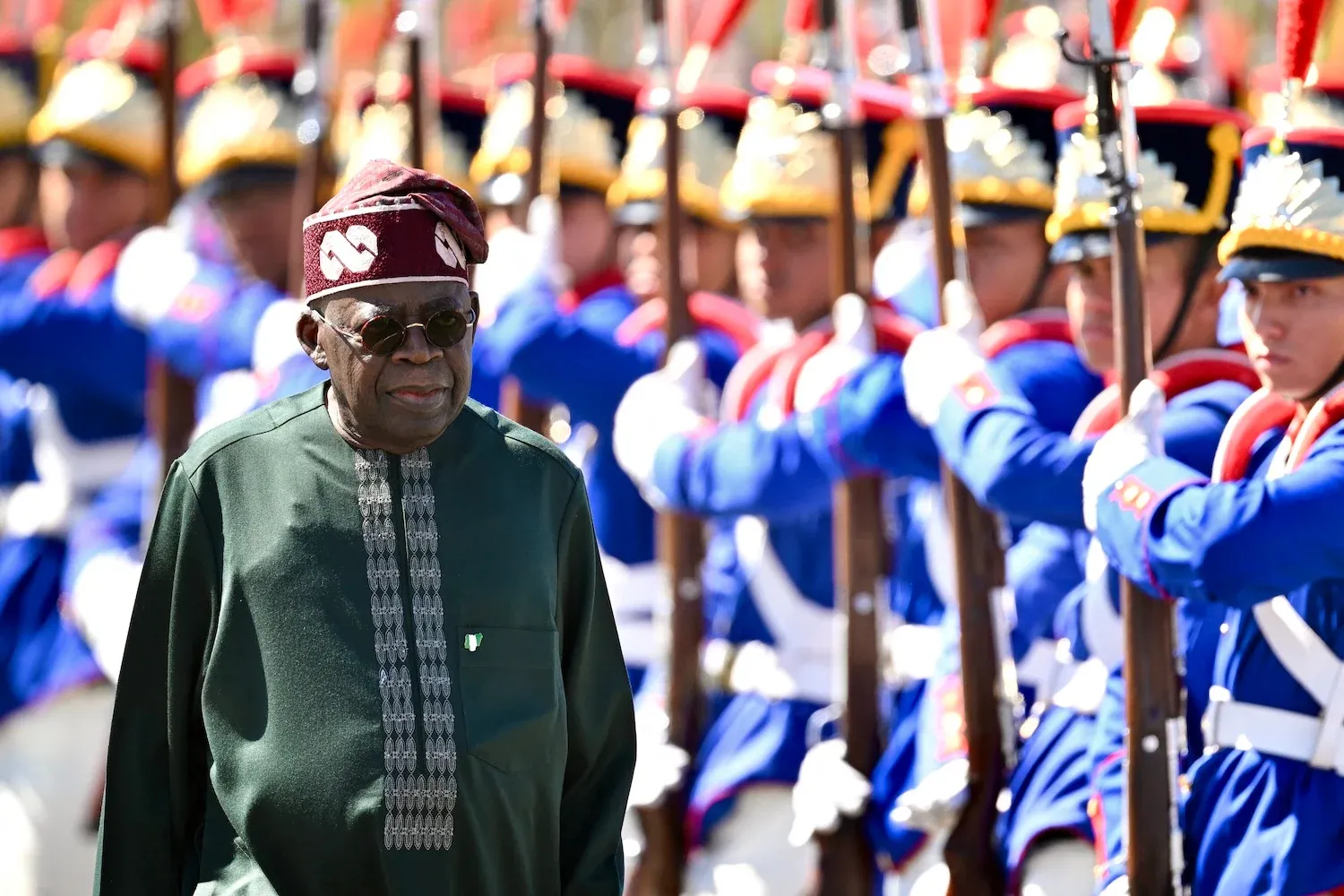
Foreign Policy argues that many analysts believe Nigeria's foreign policy is in decline, but that view is misguided. The piece frames Abuja’s growing influence as a quiet shift with real consequences for decision-makers watching regional leverage.
Many analysts think Abuja’s foreign policy is on the decline. The argument sounds intuitive on the surface: big states are usually measured by visible headlines, dramatic summits, and immediate breakthroughs. But Foreign Policy’s core claim is blunt. That decline narrative is misguided. The point is not that Nigeria suddenly became a global celebrity. It is that Nigeria is quietly building diplomatic capacity and leverage in a way that does not always show up in the loudest places.
This is where the “quietly” part matters for readers who make decisions. Diplomatic power is not only about how often a country is photographed. It is about how consistently it can act, coordinate, and translate relationships into outcomes. If Abuja is becoming a diplomatic powerhouse, the change is likely to reveal itself through patterns: who Nigeria can reach, how reliably it can convene, and whether other governments start planning around Nigeria’s positions rather than treating them as afterthoughts. Foreign Policy points to exactly this shift, challenging the assumption that Nigeria’s external posture is weakening.
To understand why the decline framing is so sticky, you have to think like an observer with incomplete information. Analysts often overweight what is easy to measure. In diplomacy, the measurable signals are frequently external. They include joint statements, major initiatives, or high-profile agreements. But the actual leverage of a foreign policy system can be built through less glamorous work: cultivating bureaucratic relationships, negotiating durable frameworks, and aligning domestic institutions so that external policy is not dependent on a single moment.
That distinction matters because the incentives inside governments and ministries often reward speed and visibility. When a country is under domestic pressure, foreign policy can be treated as a sideshow. But when a foreign policy apparatus becomes more competent and more connected to the rest of government, it starts producing compounding returns. Relationships become channels. Partnerships become default routes. That is what “quietly becoming” usually means in practice. It can look like a lull from the outside, even while internal capacity is improving.
Now zoom out to the wider market and capital context. Corporate leaders and investors tend to map geopolitical risk onto two categories: conflict and regulation. Diplomacy, for them, is often an input to stability. If Nigeria’s diplomatic role is actually strengthening, that can translate indirectly into a more predictable external environment. For example, better diplomatic coordination can reduce friction across borders, make it easier to negotiate cross-government operational issues, and support a narrative of growing institutional effectiveness. None of that requires a dramatic moment. It can be the background condition that makes planning feel less brittle.
Regulatory background plays a similar role. Cross-border regulatory alignment is slow, iterative, and frequently invisible until something goes wrong. When countries build diplomatic capacity, they often also build the ability to manage those cross-border frictions. That includes aligning standards, coordinating enforcement approaches, and engaging other governments early enough to prevent disputes from escalating. If Foreign Policy is arguing against the “decline” thesis, one reasonable interpretation is that Abuja is improving its ability to do the unglamorous governance work that keeps external relationships functional.
For executives and boards, the second-order implication is straightforward: foreign policy power affects bargaining positions, not just speeches. If Nigeria’s influence abroad is increasing, counterparties across the region will calibrate their own strategies accordingly. That can impact supply chain negotiations, market entry sequencing, and even how local regulatory authorities coordinate with external partners. In other words, diplomatic power can become an economic variable, even if no one markets it that way.
So the strategic stake is larger than a debate about trajectories. It is about whether leaders interpret Nigeria’s external posture as weakening or strengthening. If you assume decline, you make planning decisions that underweight Abuja’s ability to shape outcomes. If the decline story is misguided, those decisions can age poorly. Foreign Policy’s framing is a reminder that power is often built quietly, in ways that do not announce themselves in the moment. The question for decision-makers is whether your mental model of Abuja matches reality, because in geopolitics and business planning, the biggest risks often come from the stories we tell ourselves before the evidence forces an update.
This story's Key Insights and Take-aways are locked.
Create a free account to unlock Executive Actions for one credit.
Register to UnlockAlways free for Executives Club members. Join the Club
More in Politics

Glacial collapse, not rain, killed 180 in Nepal's Himalayan flood
The Himalaya's extreme geography hid the true cause of Nepal's catastrophic flood, a glacial collapse that turned a geological battleground into a mass-casualty zone.

Iran’s Esmail Baghaei says Oman talks start shipping via Hormuz, not US talks yet
Temporary route plans with Oman aim to restart commerce while Tehran says Washington dialogue is not on the table.

Standards watchdog opens probe into Reform UK deputy leader Richard Tice over interests
The parliamentary standards commissioner says it began an investigation on 28 July into a possible undeclared interest.