

Nightdive’s System Shock remake nearly died in 2018 after the project ran out of money
Daniel Grayshon describes how La Résistance rescued development, then rebuilt Citadel Station in Unreal Engine 4.
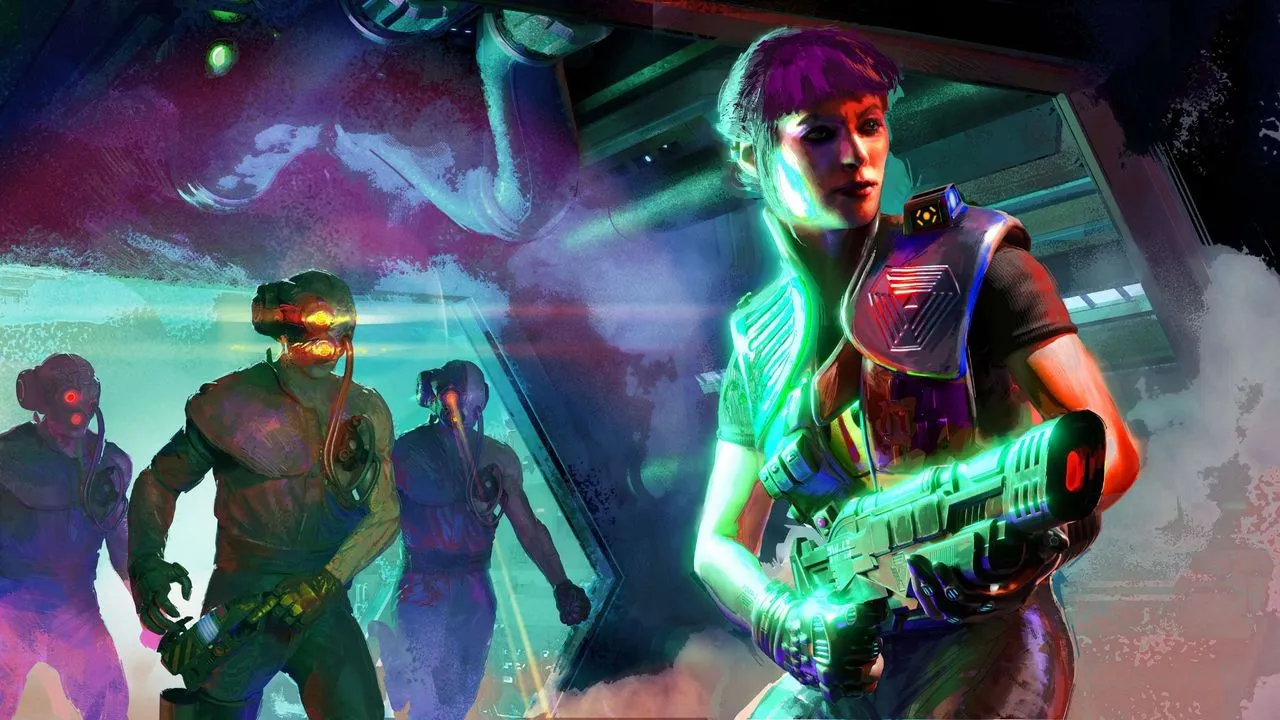
Nightdive producer Daniel Grayshon says the System Shock remake’s project ran out of money in 2018 and devs had to restart development efforts. The consequence for decision-makers: capital and scope discipline determine whether ambitious remakes get shipped at all.
If you ever needed proof that great games can be one balance-sheet decision away from never existing, Nightdive’s System Shock remake has it. Producer Daniel Grayshon revealed that the project “had run out of money [in 2018].”
That one sentence reframes the entire story of the 2023 release. Grayshon describes years of “various iterations of System Shock” by 2018, and internally, the mood was grim because the work had already reached the point where he calls it “the big project that I was working on.” The remake eventually shipped after a long and winding development road, including “course corrections and reboots,” but for a stretch, “odds were decent we would never get the System Shock remake at all.”
So what does it look like when a game project hits a funding wall? Grayshon recalls that some people trying to pivot toward selling the game to a publisher for more funding, rather than building it. In plain terms, that is a risk pattern every product team recognizes: when money gets tight, the organization can start optimizing for financing instead of shipping. It can buy time. It can also buy delay. And if the delay outlives the team’s momentum, you end up with nothing but paperwork and unfinished prototypes.
Nightdive’s response, according to Grayshon, was not a pitch deck. It was people. He says some devs formed La Résistance, a “small Discord group” of “guerillas dedicated to getting this game out come hell or high water.” That matters strategically. When funding models wobble, the “who keeps building” question becomes as important as the “how much money is left” question. A small, committed internal group can preserve technical learnings and design intent, which makes later resets less destructive.
The technical reset itself was brutal. Grayshon was tasked with building System Shock’s Citadel Station, “its entire setting,” in an engine he had no experience with: Unreal Engine 4. That is not just a tooling change. It means rewriting workflows, rebuilding environment pipelines, and learning the engine’s quirks while the clock is ticking. Grayshon describes doing it the messy way: “going onto websites, finding tutorials, finding whatever I could just to get a foot in the door.” In most organizations, that is where budgets and schedules usually hard stop. In this case, it became the bridge that kept the project moving when conventional funding paths stalled.
And when you finally ship, the question is what you did differently because you had to. Grayshon says the remake is “still very faithful to the original game,” but it includes modern-engine realities that change how the space feels. He points to door thickness no longer being “paper-thin,” and staircases that “made sense in physical reality.” He also gives the reason in a way that reads like a technical truth: it’s “more staircases” and a “spaced-out feel” because it “just mathematically wouldn’t work [otherwise].”
That last detail is the quiet tell for executives: sometimes the reason you can ship a faithful remake is not artistry alone, it is constraints. If you move to Unreal Engine 4, physics, collision, and spatial math stop forgiving old illusions. The remake’s layout adjustments are not random. They are the cost of keeping the identity while meeting the expectations of modern engines and players.
Zoom out to the market context. Remakes are supposed to be “safer” than all-new IP, but the economics are still hard: long development timelines, the need to translate existing design into new technical frameworks, and the constant pressure to secure funding before scope expands further. Grayshon’s account, spanning from an announcement as a remaster to an eight-year gap before players got their hands on it, is a reminder that “safe” does not mean “simple.”
For boards, investors, and senior operators, the strategic stakes are obvious. When a project “runs out of money,” the default outcome is death by attrition, not a heroic finish. Here, the difference was a mix of internal resolve (La Résistance), technical reinvention (Unreal Engine 4 ramp-up), and faith that the remake’s core identity could survive the engine transition. If you’re backing ambitious remakes, the lesson is not inspirational. It is operational: monitor funding runway like a flight instrument, but also underwrite the ability of small teams to keep building when the funding narrative gets shaky.
This story's Key Insights and Take-aways are locked.
Create a free account to unlock Executive Actions for one credit.
Register to UnlockAlways free for Executives Club members. Join the Club
More in Entertainment

Starfleet Academy names newcomer Ruaridh Aldington a Season 2 series regular
At San Diego Comic-Con's Star Trek 60th anniversary panel, Aldington joins as Keats, a high-stakes mystery for the cadets.

Akiva Goldsman drops Strange New Worlds Season 4 timing: weekly until Sept. 24
Star Trek’s co-showrunner uses Comic-Con to lock in the release calendar for Paramount+ Season 4.
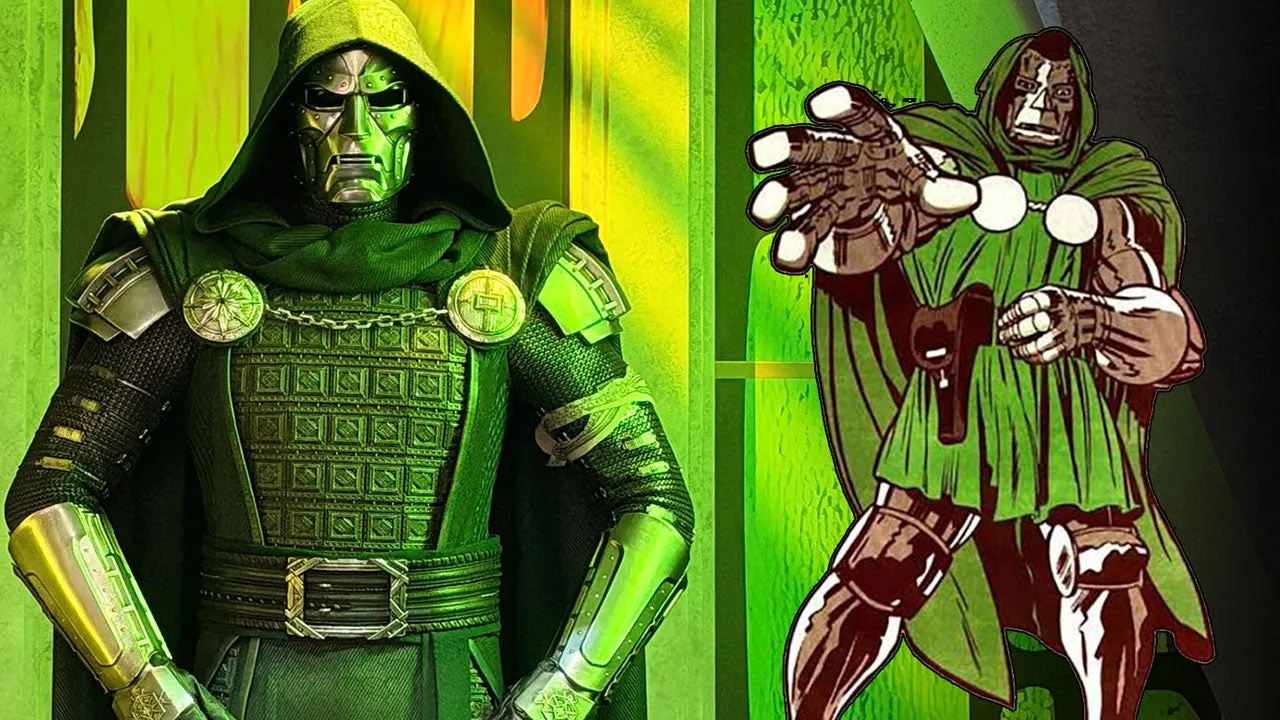
Marvel’s Avengers: Doomsday Doom armor stays faithful to comics, but adds samurai-style upgrades
A fresh look at Robert Downey Jr. as Victor von Doom at Comic-Con shows what Marvel kept, changed, and why it matters.