

Nintendo's $450 Switch 2 turned pricey, then looked like a bargain
Nintendo set the Switch 2 at $450 after factoring tariffs, and the real market moved fast enough to make that sticker feel normal.
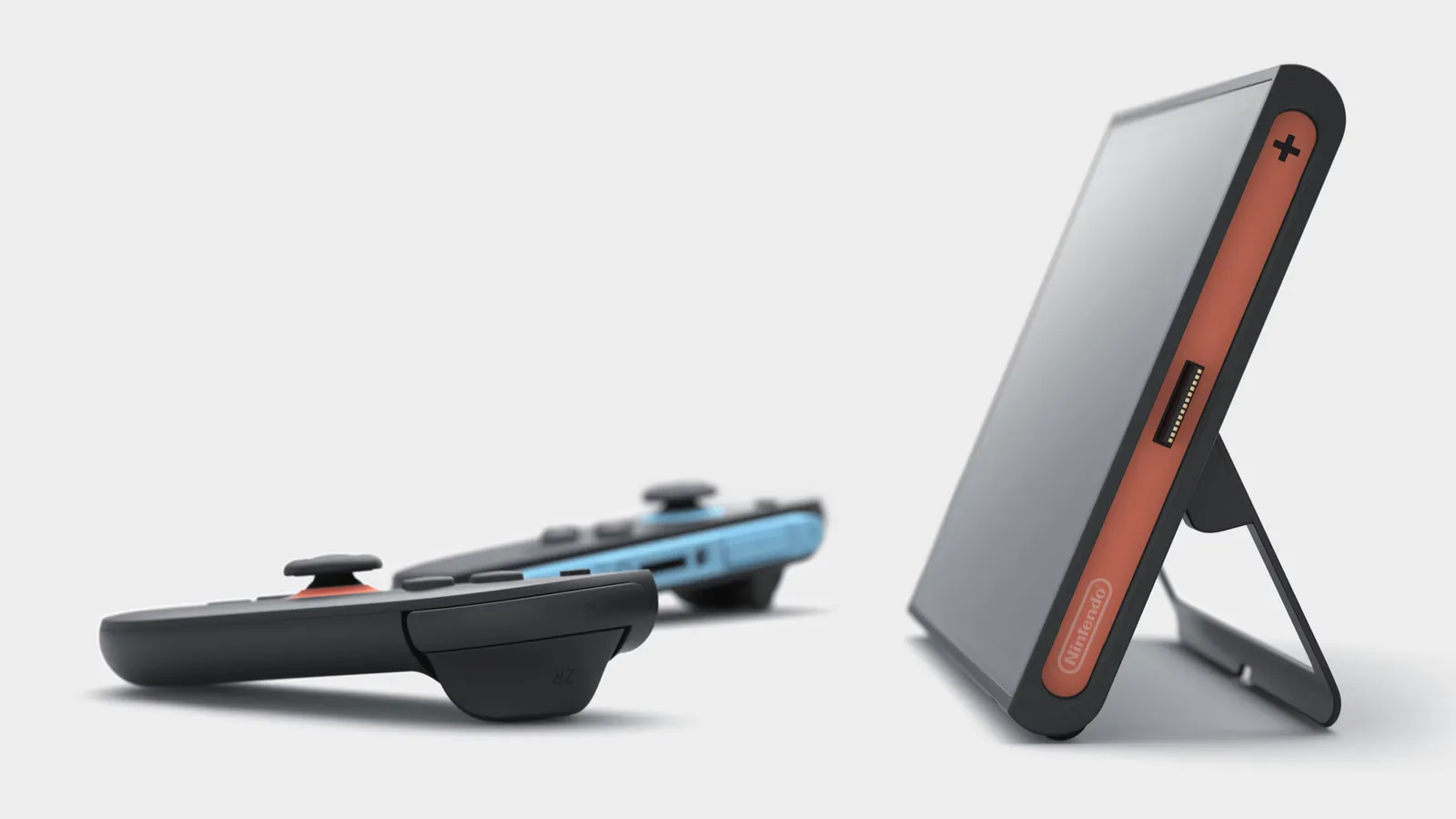
Nintendo priced the Switch 2 at $450, saying it had already accounted for tariffs, even as critics pointed out it was 50% above the original Switch launch price and its most expensive console ever after inflation. The broader consequence is simple: once competitors raise prices too, a controversial launch number can turn into a defensible market position almost overnight.
Nintendo’s Switch 2 launch price looked steep at first glance, and for good reason. At $450, the new console was 50% more expensive than the original Switch at launch, matched the base model of PlayStation 5, and, even after inflation, became Nintendo’s most expensive console ever. That is the kind of price tag that usually sparks instant backlash, especially in a market where gaming hardware has long been sold on the idea that the box itself is the affordable entry point and the software is where the money gets made.
But the twist is that Nintendo said it had already built the impact of tariffs into that $450 sticker price. In other words, this was not a company stumbling into a higher price after the fact. It was a deliberate call made in advance, and it mattered because the company was trying to thread a very specific needle: price high enough to absorb pressure, but not so high that it scares off the massive audience a new Nintendo system needs to hit early. A few weeks later, Nintendo was forced to increase the cost of some accessories, which is a reminder that the price of a console is only the opening move. Once tariffs, component costs, and supply chain math start moving, the bill often shows up elsewhere.
That context makes the Switch 2 story bigger than one console launch. Hardware companies are all dealing with the same ugly reality: the economics of consumer electronics are getting less forgiving. Nintendo was facing tariffs, a RAM crisis, and a broader market in which Xbox, PS5, and the Steam Deck had already seen price hikes. That matters because it changes the benchmark. A price that once looked out of line can start to look like the least-bad option when everyone else is climbing too. Nintendo did not escape the debate over value, but it did avoid being the only company asking customers to pay more.
There is also a branding angle here that is easy to miss. Nintendo is not Sony, and it is not Microsoft. Its business has always depended on a different kind of emotional contract with buyers: less raw power war, more family appeal, exclusives, and a device that feels worth buying even when the specs are not the headline. That gives the company some room to charge more than the last generation did, but not infinite room. If the Switch 2 had landed at a clearly outlier price while rivals stayed put, the reaction could have been much harsher. Instead, the market moved around Nintendo. That is a quieter, but very real, kind of pricing power.
Still, the reaction at launch makes clear that “priced well” does not mean “priced comfortably.” Consumers noticed the jump immediately. A 50% increase over the original Switch launch price is hard to explain away, even for a brand with Nintendo’s loyalty. And because the Switch 2 ended up priced similarly to the base PS5, it was automatically forced into a different comparison set. The question stopped being, “Is this a fair Nintendo price?” and became, “Why should I buy this instead of another high-end gaming option?” That is a harder question for any company trying to sell a hybrid console into a market where the next best alternative is often just another premium device.
For executives, the important lesson is not that higher prices are suddenly easy. It is that timing and relative positioning matter just as much as the number itself. Nintendo’s decision to front-load tariff expectations into the launch price gave it a little more insulation when the broader hardware market kept shifting. The forced accessory increase weeks later shows that the pressure was real, not theoretical. And the fact that the Switch 2 was already sitting in a world of rising prices for Xbox, PS5, and Steam Deck meant the company had some cover that it would not have enjoyed a few years earlier. In pricing terms, being early and being aligned with the market can be worth almost as much as being cheap.
For other hardware makers, that is the real takeaway. When costs rise across the category, customers may still complain, but they also recalibrate quickly. The question becomes less about whether a launch price is emotionally painful and more about whether it is strategically defensible against the rest of the shelf. Nintendo did not make the Switch 2 feel affordable. It made the price look survivable, then made sure the rest of the market did not give shoppers an obvious cheaper escape hatch. That is a useful playbook for any CEO, CFO, or board trying to set prices in a world where tariffs, memory shortages, and competitor hikes can rewrite the menu faster than a product team can update the slide deck.
This story's Key Insights and Take-aways are locked.
Create a free account to unlock Executive Actions for one credit.
Register to UnlockAlways free for Executives Club members. Join the Club
More in Entertainment

Christopher Nolan’s “The Odyssey” posts his biggest Tuesday haul, surpassing “The Dark Knight’s” record
The film’s Tuesday breakout reframes Nolan’s box-office ceiling and forces competitors to rethink timing, budgets, and release strategy.

Kacey Musgraves cancels Aug. 20, 29, Sept. 2 Middle of Nowhere shows
Ticketmaster emails are telling fans refunds are coming, while the tour still starts Aug. 21 in Chicago.

Billie Joe Armstrong launches Epiphone Les Paul Junior and Marshall 1959BJA signature gear
Two limited releases turn decades of Green Day’s tone into branded hardware, including Marshall’s first artist amp in 14 years.