

Nintendo tells Switch 2 buyers no tariff refunds are owed, calling prices a contract
The U.S. Supreme Court cleared the way for $160B tariff refunds to businesses. Nintendo says consumers get nothing.
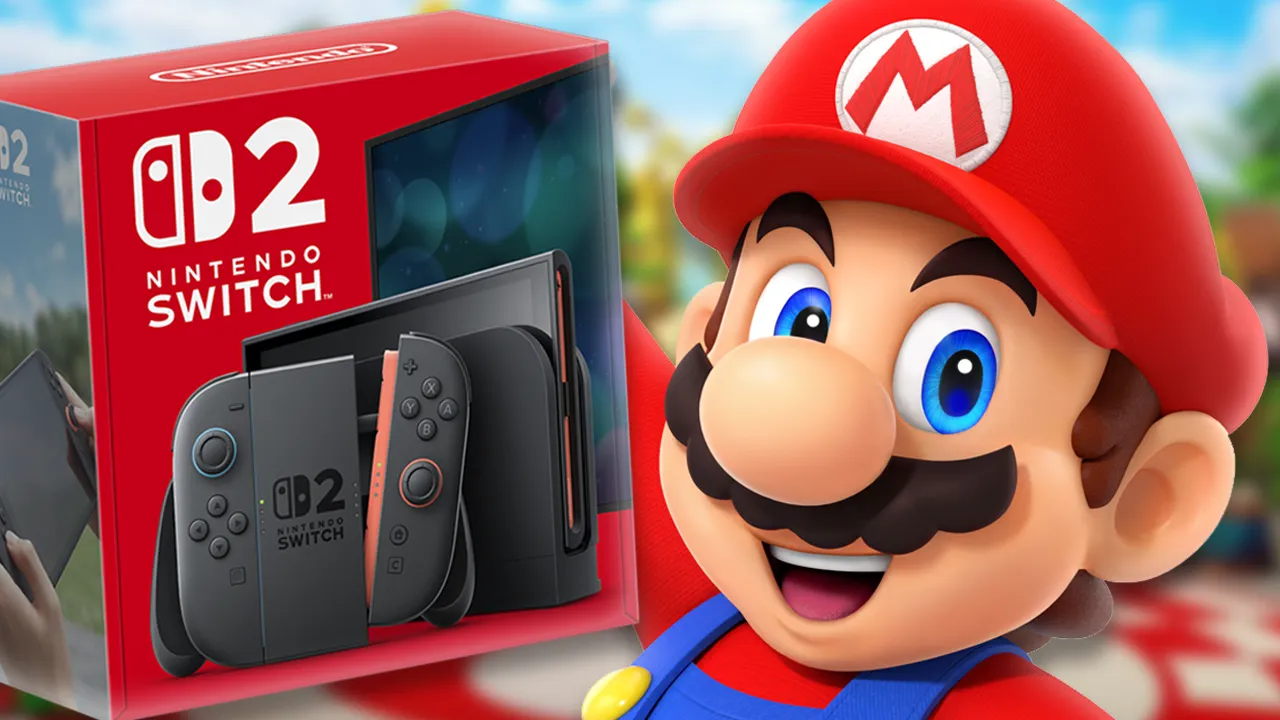
Nintendo is arguing in a proposed class action that Switch 2 customers have no right to U.S. tariff refunds, saying they “received exactly what they bargained and paid for.” The company’s position matters for any retailer or consumer-facing business facing tariff-related litigation and potential refund demands.
Nintendo’s legal message is blunt: even if it eventually receives money back from U.S. tariff payments, Switch 2 customers are not automatically entitled to a rebate. In the filing, Nintendo argues that buyers “received exactly what they bargained and paid for,” and that a later legal ruling on tariffs does not retroactively rewrite commercial transactions.
Why this matters right now: the U.S. Supreme Court has deemed those tariffs illegal, with refunds promised to businesses from a collective $160 billion tariff refund. But consumers who paid higher prices during the tariff era are asking whether that downstream benefit should flow to them. Nintendo says it should not, and it is trying to get the proposed class action dismissed.
The case centers on price actions Nintendo took around the Switch 2 launch and how it handled the tariff cost during the broader inflationary squeeze on electronics makers. Shortly before launch last year, Nintendo raised the price of Switch 2 accessories. It also announced a price rise for the original Switch. Like every electronics manufacturer, Nintendo faced margin pressure as component prices rose. Then the U.S. tariffs rolled out under the Trump administration, adding another layer to an already difficult pricing and cost environment. Even Switch 2 pre-orders in the U.S. and Canada were delayed as a result.
When you zoom out, the consumer dilemma is simple: tariffs made products more expensive. If tariffs later get wiped out as illegal, it feels intuitive to consumers that somebody who got reimbursed should share it with the people who paid the higher shelf price. That intuition is exactly what the proposed class action is pushing. The suit calls for Nintendo to share its refund with Switch purchasers.
Nintendo’s response is a contract argument, not an accounting argument. As reported by Game File, Nintendo asked the lawsuit to be dismissed and leaned on a “commercial transactions work this way” framing. Nintendo wrote that the “common thread among Plaintiffs' claims is that it is somehow unfair” that Nintendo did not retroactively adjust prices for completed sales based on the outcome of tariff litigation. Nintendo’s position is that it is not required to adjust prices after the fact.
In Nintendo’s telling, the pricing decision and consumer choice are linked at the moment of purchase. Nintendo says that Nintendo or one of its retailers set a price for each product, and consumers decided whether that price was worth paying. The company’s specific line is that buyers received exactly what they bargained and paid for: a console, game and/or accessory at a price both parties agreed to. Nintendo also argues that the money consumers paid represents the purchase price of the goods they wanted and received, and that plaintiffs are not entitled to a rebate just because there were intervening legal developments related to tariffs.
Nintendo goes further by disputing a narrow “tariffs alone caused the price increases” narrative. It argues it raised costs for Switch accessories and consoles due to multiple reasons, including memory, labor, and shipping, not just tariffs. It also claims it absorbed the impact of tariffs on Switch 2 and that the console remains at its launch price today, with Nintendo stating it will very shortly be going up in cost. Importantly, Nintendo says it did not simply add the tariff amount to each product price or apply an across-the-board tariff surcharge.
Instead, Nintendo states it imposed “modest and selective price adjustments,” and it chose to bear the costs of tariffs on some of its most popular products of 2025, including its flagship console, the Nintendo Switch 2. Nintendo’s argument takes aim at a particular kind of consumer claim: that tariff reimbursement should be treated like an automatic pass-through. Nintendo concludes by emphasizing consumer choice, stating that if a consumer did not want to pay the advertised price, they were free to abstain from purchasing or seek competing products.
There is a second-order implication here for executives and boards far beyond Nintendo. This isn’t just about one console. Electronics and retail businesses live at the intersection of pricing strategy, cost volatility, and legal risk. When regulators or courts change the status of tariffs after the fact, companies can face pressure on two fronts: (1) refund expectations from customers and (2) litigation arguments that reimbursement should flow downstream even when the original transaction was priced before the legal outcome.
A judge will now rule on whether the class action can proceed, or whether Nintendo’s motion to dismiss will be granted. For peers, the case becomes a stress test for how consumer-facing companies frame pricing in court. If Nintendo’s “we priced it, you bought it” logic holds, it may strengthen a defense strategy rooted in transaction timing and agreed-upon prices. If it doesn’t, companies could see more tariff refund litigation shaped less like accounting disputes and more like fairness and restitution claims.
Either way, the strategic stakes are high. Even as the U.S. Supreme Court’s decision clears the path for $160 billion in tariff refunds to businesses, the real question for consumer markets is whether reimbursement becomes a corporate obligation to customers. Nintendo is saying no. The next decision, from a judge, will show whether that answer survives courtroom scrutiny, and it will signal to every other retailer and hardware maker what “bargained and paid for” means when tariff legality gets reversed.
This story's Key Insights and Take-aways are locked.
Create a free account to unlock Executive Actions for one credit.
Register to UnlockAlways free for Executives Club members. Join the Club
More in Business

Uber buys Delivery Hero for nearly $15B, vaulting to top food delivery outside China
The deal doubles Uber's dual-services footprint and pushes a ride-and-eats bundling play into 50 more markets.

Epic and Google drop settlement bid, forcing rival Android app stores by July 22
Google told the court it is ready to carry third-party app stores starting Wednesday, July 22.
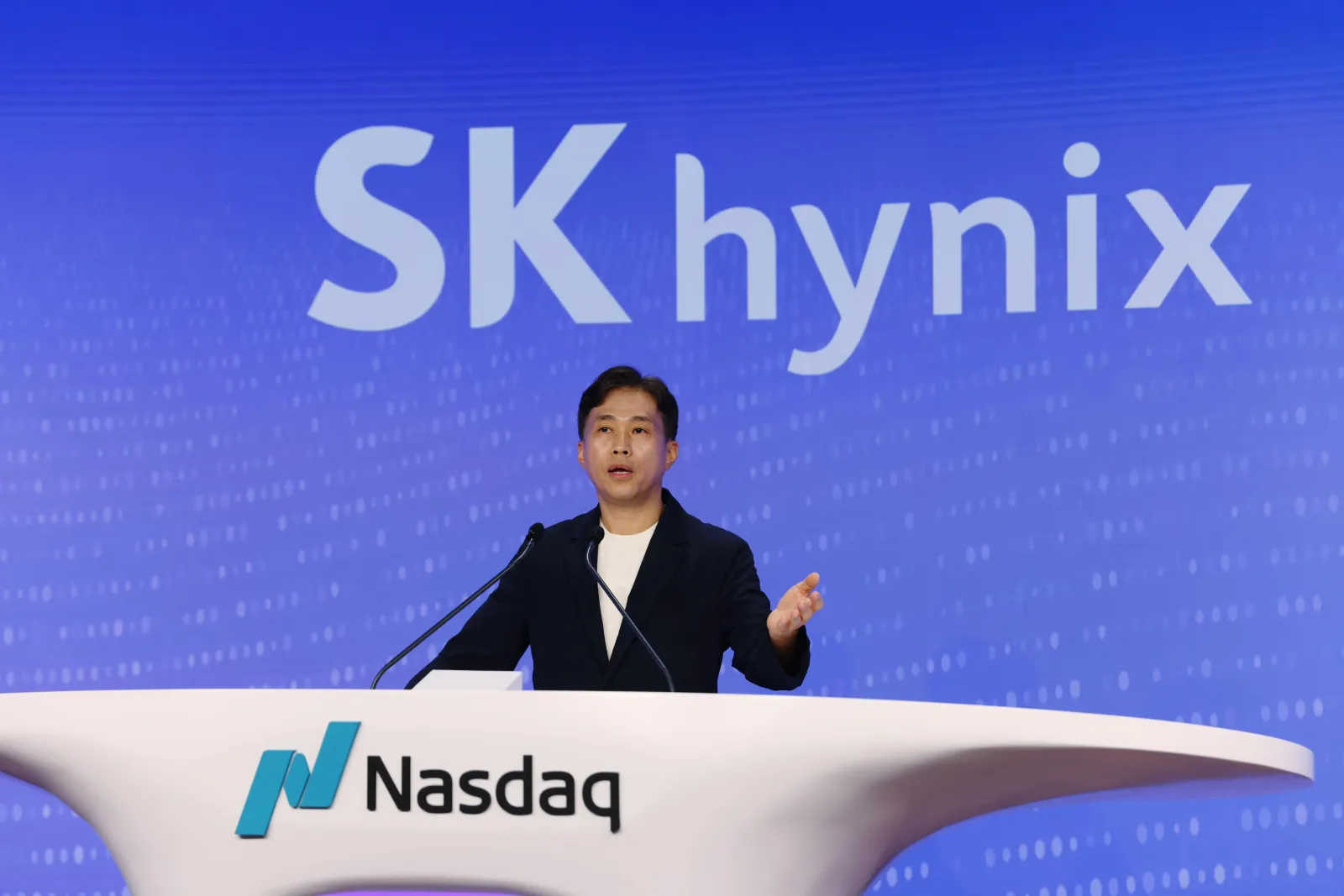
SK Hynix opens at $170, raises $26.5B, and tops foreign IPO records
In Friday's Wall Street debut, SK Hynix turns AI RAM demand into a $26.5B fundraising moment that rewrites comps.