

Nolan's 'The Odyssey' overloads AMC with hour-long ticket queues
Christopher Nolan's first all-Imax film is turning presales into a stress test for ticketing systems, with implications for exhibitors, premium formats, and fan demand.
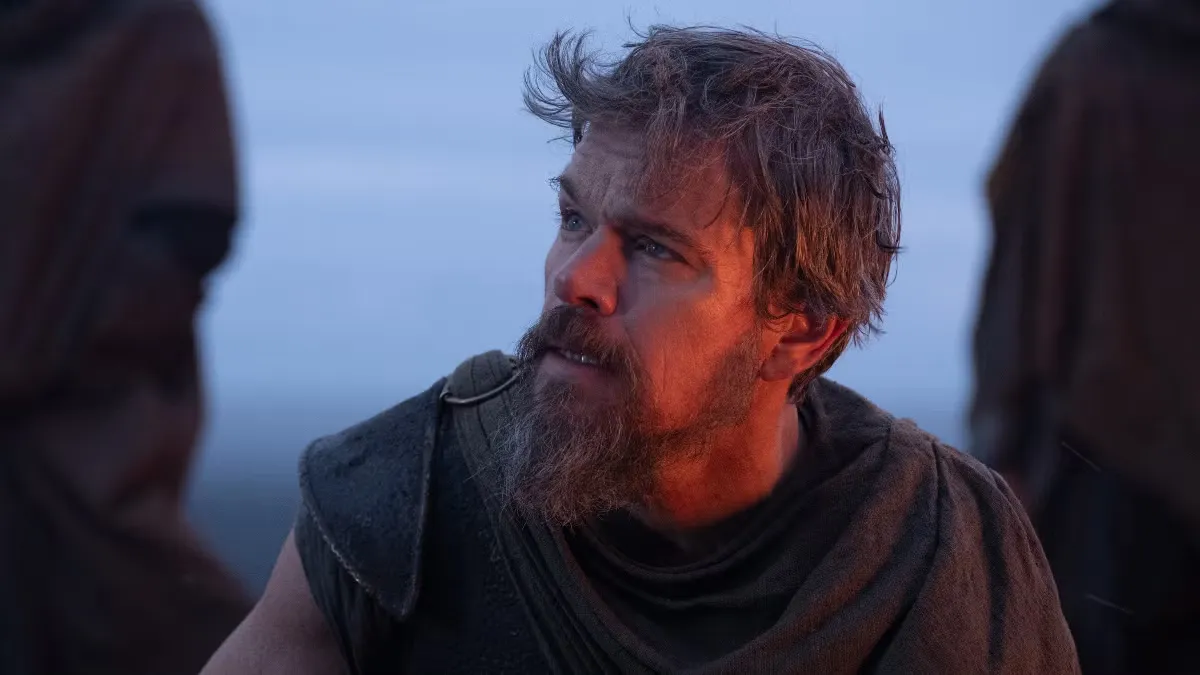
Christopher Nolan's 'The Odyssey' pushed AMC and Fandango into long queues on the first day of premium-format presales, with AMC waits reaching as long as an hour and one observed at 43 minutes. For theater chains and film marketers, the episode shows how blockbuster demand now strains digital infrastructure before a movie even opens.
Christopher Nolan's next event movie is already behaving like one. On Thursday, the first day of premium-format presales for 'The Odyssey,' fans trying to buy Imax tickets ran into long waits on AMC and Fandango, with AMC queue times stretching as long as an hour. When TheWrap checked AMC's site, the wait was 43 minutes. That is not normal movie-ticket friction. It is a live demonstration of what happens when a filmmaker with Nolan's fan base, a premium format with limited supply, and a highly anticipated release all collide at once.
The scale of demand matters because this is not just people clicking refresh in a hurry. It is the kind of pressure that major ticketing systems are built to absorb by design. According to an individual with knowledge of ticketing site software, large theater chains like AMC use queue systems when too many moviegoers try to buy tickets for a specific film or screening time, in part to prevent server crashes from overwhelming traffic. AMC declined to comment, but the software did exactly what it is supposed to do: slow access instead of letting the site fall apart. The comparison to Taylor Swift's 'Eras Tour' is useful here because it shows the same digital bottleneck showing up in a different corner of entertainment. In 2023, those queue systems kicked in when tickets for Swift's concert film went on sale. The shared lesson is simple: when demand is intense enough, the bottleneck is no longer interest. It is infrastructure.
That is especially true for IMAX, which has become the centerpiece of Nolan's theatrical brand. He has spent years championing the format in films like 'Interstellar' and the Best Picture Oscar-winning 'Oppenheimer,' and 'The Odyssey' takes that relationship to a new level. The film is making history as the first-ever movie to be shot entirely with Imax cameras, made possible by a new fleet of lighter cameras. Those cameras allowed Nolan's cinematographer, Hoyte van Hoytema, to shoot action and ocean scenes that would have been impossible with previous Imax cameras. In plain English: the format is not just a marketing label on this movie, it is part of the movie's identity. That makes Imax screenings feel less like a nice bonus and more like the definitive way to see it, which explains why fans are treating presales like a timed drop rather than a standard ticket purchase.
Universal understood that scarcity from the start. In an unprecedented move, the studio released opening weekend screenings for 'The Odyssey' at nine theaters showing the film in Imax 70mm a full year in advance, and those tickets sold out almost instantly. That kind of rollout is unusual even by blockbuster standards, and it tells you two things about the business of premium formats. First, availability itself can become part of the story. Second, when supply is tightly constrained, the market can clear before the public even gets used to the idea that tickets are available. For exhibitors, that is great news and a headache at the same time. Great news, because sold-out premium shows are the kind of demand signal everyone wants. Headache, because it turns every release into a test of inventory management, web performance, and customer patience.
There is also a marketing side to this that is hard to ignore. Imax has already leaned into its association with 'The Odyssey' by unveiling its first-ever popcorn bucket timed to the film's release. The first popcorn bucket for 'THE ODYSSEY' is an IMAX camera, according to a social post from DiscussingFilm on June 4, 2026. That is the modern playbook in miniature: the movie becomes an event, the event becomes merchandise, and the merchandise becomes another way to keep the movie in the conversation. For a younger audience that is used to buying into fandom as much as content, the line between seeing the film and participating in the film's rollout keeps getting blurrier.
The broader implication for CEOs, studio heads, and theater operators is that premium demand is no longer a side benefit. It is a core business variable. Ticketing queues are not just an annoyance for customers; they are a signal that a release has crossed into appointment-viewing territory. For a company like AMC, that means the digital front door matters as much as the auditorium. For Universal, it means release strategy can shape scarcity and buzz months before opening weekend. And for anyone watching the entertainment business, this is another reminder that the biggest fan moments now happen before the lights go down. The fight is not only for box office dollars. It is for access, timing, and the first click.
This story's Key Insights and Take-aways are locked.
Create a free account to unlock Executive Actions for one credit.
Register to UnlockAlways free for Executives Club members. Join the Club
More in Entertainment

Christopher Nolan’s “The Odyssey” posts his biggest Tuesday haul, surpassing “The Dark Knight’s” record
The film’s Tuesday breakout reframes Nolan’s box-office ceiling and forces competitors to rethink timing, budgets, and release strategy.

Kacey Musgraves cancels Aug. 20, 29, Sept. 2 Middle of Nowhere shows
Ticketmaster emails are telling fans refunds are coming, while the tour still starts Aug. 21 in Chicago.

Billie Joe Armstrong launches Epiphone Les Paul Junior and Marshall 1959BJA signature gear
Two limited releases turn decades of Green Day’s tone into branded hardware, including Marshall’s first artist amp in 14 years.