
Novo Nordisk sues Eli Lilly to stop ‘misleading’ GLP-1 ads and demand corrective ads
A court filing asks to block Lilly’s GLP-1 advertising and force corrections, raising the heat on drug marketing scrutiny.
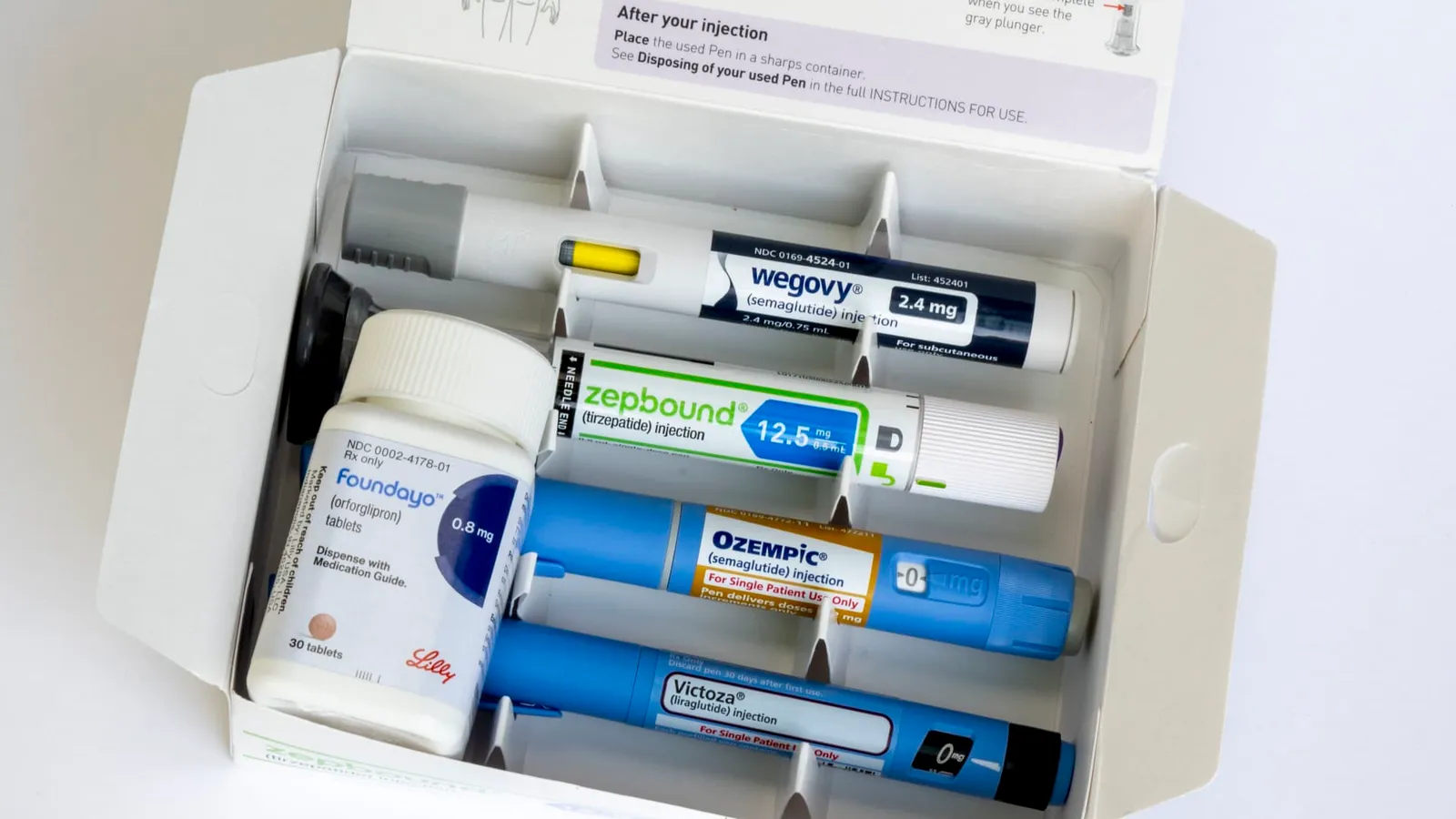
Novo Nordisk has sued Eli Lilly, alleging misleading GLP-1 advertising. The lawsuit asks a court to permanently stop the ads and require corrective advertising, putting marketing practices under legal pressure.
Novo Nordisk is taking Eli Lilly to court over GLP-1 advertising, asking the judge to permanently stop Lilly from running what Novo calls “deceptive” ads and to require corrective advertising. In other words, this is not a quiet slap-on-the-wrist request. Novo is seeking a legal remedy that would force Lilly to change not just what it says, but how it publicly corrects its message.
This matters because the GLP-1 category is not a niche pharma story anymore. It is a market where brand perception, prescribing behavior, and patient expectations can shift quickly, and where marketing claims can become an operational issue. Novo’s motion, as described, is specifically targeted at Lilly’s advertising, and the proposed fix is also specific: a requirement that Lilly issue corrective advertising. That is the kind of remedy that can follow a company into board meetings, compliance reviews, and future campaign approvals.
To understand why, zoom out to how GLP-1 drugs have been discussed and sold over the last couple of years. These medicines sit at the intersection of medical evidence, consumer awareness, and competitive positioning. When a drug class captures public imagination, advertising is no longer just “promotional.” It can become part of the narrative around effectiveness, suitability, and outcomes. That narrative, in turn, can influence which products feel like the obvious choice, even before a clinician sees the full context of data and indications.
Now add a legal layer. Advertising disputes in pharma tend to boil down to one core question: is the claim misleading in a way that harms consumers or misstates what the product does? Novo’s lawsuit, according to the source, alleges Eli Lilly’s GLP-1 ads are misleading or “deceptive,” and Novo is asking the court for a permanent stop and corrective advertising. Those requests reflect a theory of harm that goes beyond mere reputational risk. They signal that Novo believes the ads can meaningfully mislead and that correction is necessary, not optional.
From a decision-maker standpoint, lawsuits like this can create a chain reaction inside the business. Marketing teams often have to coordinate tighter with legal and regulatory affairs, and approval cycles can slow down. Compliance functions may be asked to document claim substantiation more rigorously. Even if the dispute remains limited to specific ad content, the operational impact can spill over to future creative work, because teams have to anticipate what a court might later interpret as misleading framing.
There is also a competitive angle. In a crowded landscape, each company is trying to own a slice of attention and trust. When one company alleges another’s advertising is deceptive, it puts pressure on the accused party to respond, possibly with revised messaging. But the more meaningful consequence is the remedy itself. If corrective advertising is ordered, the “winner” of the dispute is not only the company that avoids a permanent injunction. It is also the company that gets to steer the public narrative back toward its preferred version of events.
Finally, consider what this signals to peers across the drug industry, especially in categories where public demand moves faster than typical drug marketing timelines. Novo’s request shows how quickly advertising claims can turn into courtroom issues when the stakes are high and the category is under intense scrutiny. For executives and boards, the second-order takeaway is simple: claims that are defensible in marketing meetings may still face legal risk, and legal remedies can force active public correction. That can be a costly and reputationally awkward process, even for companies that think they did nothing wrong.
So this is more than a headline about one lawsuit. It is a live test of how aggressively courts can intervene in drug marketing and how effectively companies can manage the boundary between persuasive advertising and what regulators and judges view as misleading. Novo is asking for two outcomes, a permanent stop and corrective advertising. If the court is persuaded, this case could become a playbook for what the industry must do next time it tries to sell a GLP-1 story at full volume.
This story's Key Insights and Take-aways are locked.
Create a free account to unlock Executive Actions for one credit.
Register to UnlockAlways free for Executives Club members. Join the Club
More in Business

Uber buys Delivery Hero for nearly $15B, vaulting to top food delivery outside China
The deal doubles Uber's dual-services footprint and pushes a ride-and-eats bundling play into 50 more markets.

Epic and Google drop settlement bid, forcing rival Android app stores by July 22
Google told the court it is ready to carry third-party app stores starting Wednesday, July 22.
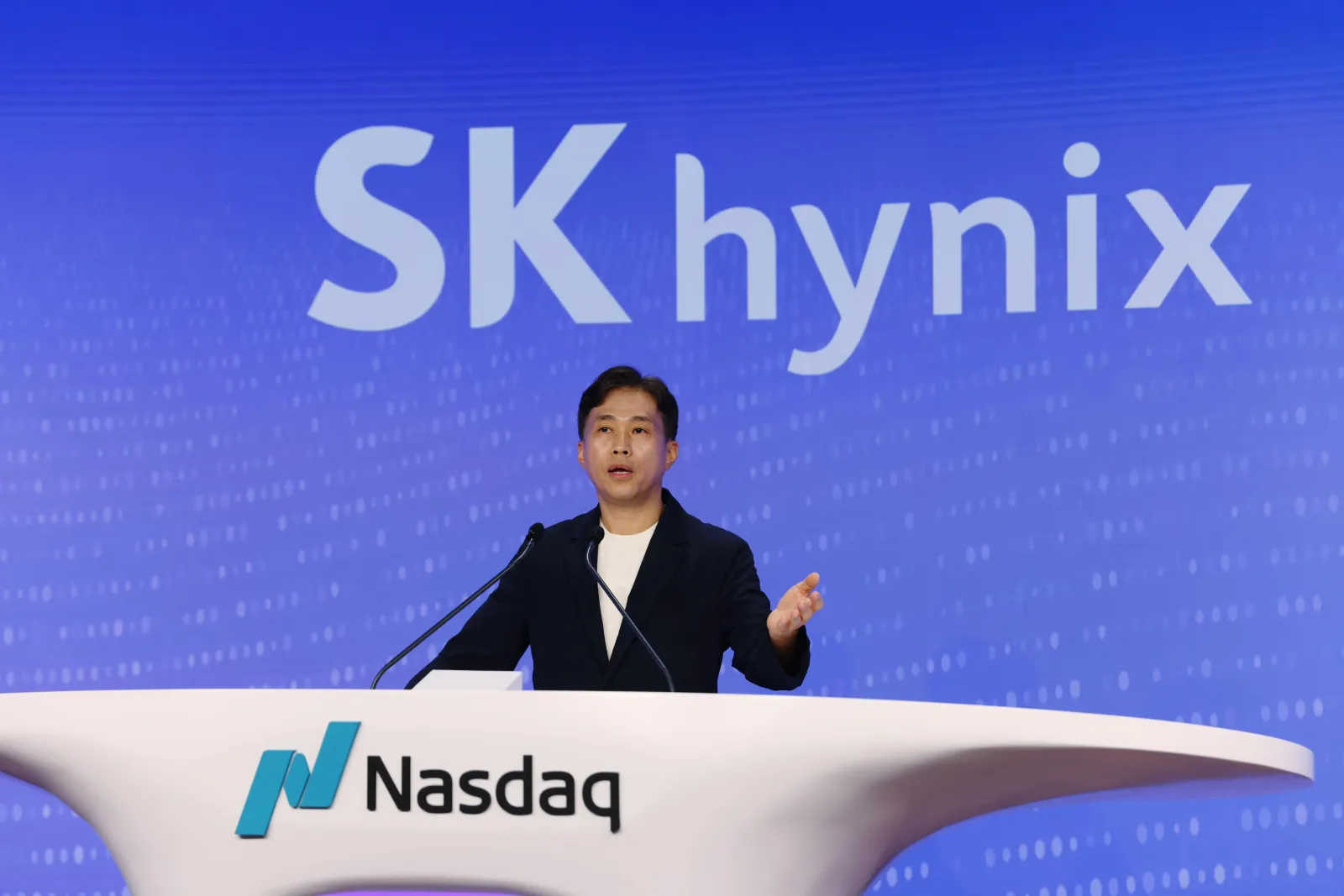
SK Hynix opens at $170, raises $26.5B, and tops foreign IPO records
In Friday's Wall Street debut, SK Hynix turns AI RAM demand into a $26.5B fundraising moment that rewrites comps.