
Nvidia folds CPUs and GPUs into Vera Rubin, aiming to own AI data-center stacks
The Vera Rubin platform turns multi-chip sprawl into one system, signaling Nvidia’s push to control more of AI infrastructure.
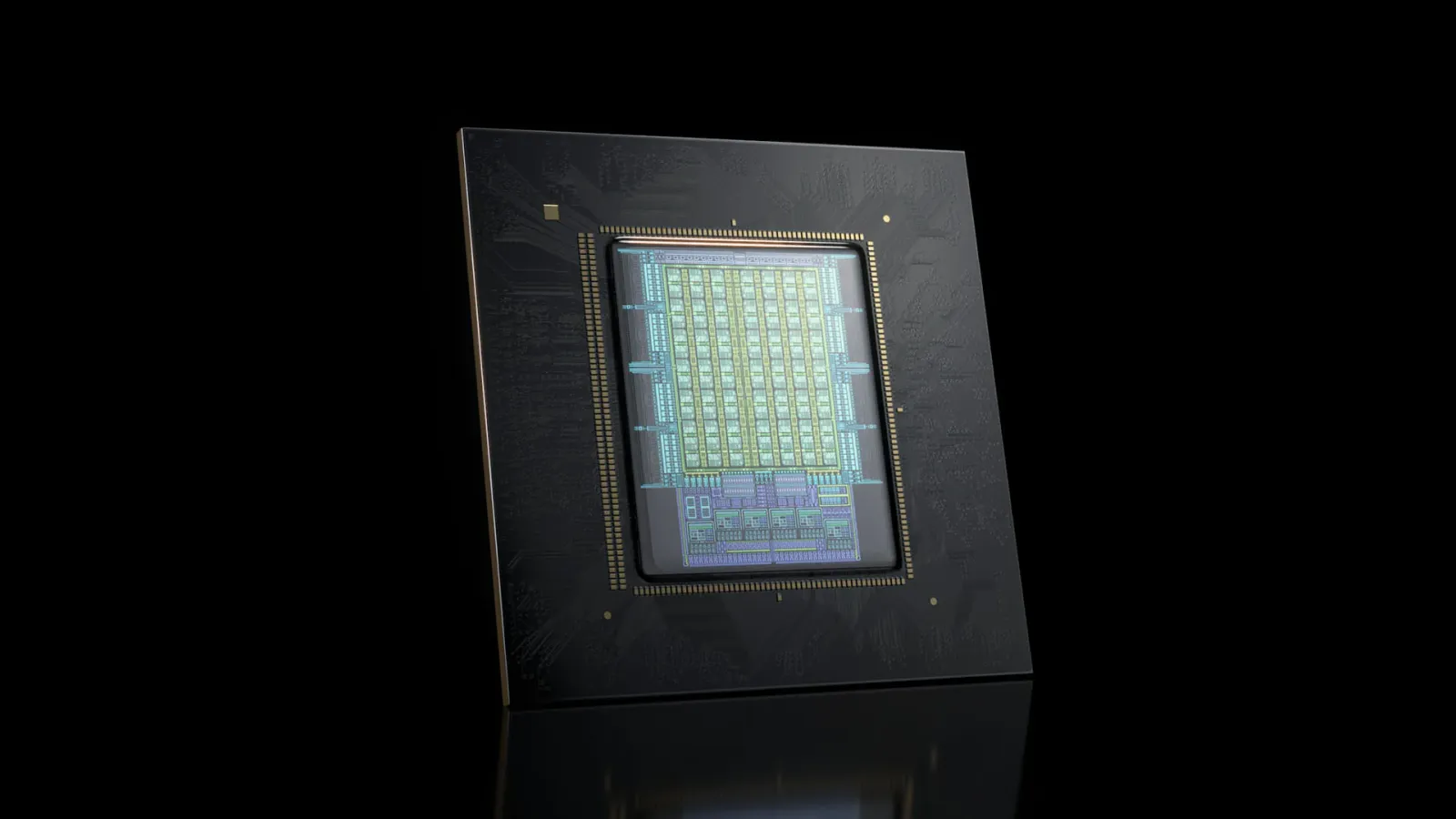
Nvidia is building its Vera Rubin platform to combine CPUs and GPUs into a single system. For decision-makers, it raises the stakes around vendor concentration, procurement strategy, and architecture lock-in across AI data centers.
Nvidia wants to be more than the GPU supplier. Its Vera Rubin platform combines CPUs and GPUs into a single system, which is a clear signal of an ambition to power every layer of AI infrastructure.
That matters because most AI data centers do not buy “an AI platform.” They buy a stack: processors from one vendor, interconnect and orchestration from others, and software that must make it all behave like one machine. Vera Rubin is Nvidia leaning into the uncomfortable reality for operators: when your workload is expensive and time-to-train is mission-critical, integration stops being a nice-to-have and becomes a buying criterion. Nvidia’s move is essentially a bet that customers will pay for fewer moving parts, even if it means standardizing on Nvidia-centric compute.
To understand the push, zoom out to how AI infrastructure has evolved. Training and inference are increasingly compute-bound, but the bottleneck is rarely just “raw GPU power.” Systems need to move data fast, keep GPUs fed, and coordinate workloads across hardware, software, and networking. In that world, GPUs are the headline, but CPUs and the surrounding architecture have outsized influence on performance and efficiency. Nvidia’s decision to combine CPUs and GPUs into a single system suggests it sees an opportunity to reduce friction at the system level, where the customer feels the pain every day: slow pipelines, mismatched components, and integration work that never fully ends.
This is also a power shift in how infrastructure relationships are structured. When a company sells a single component, it negotiates mostly on benchmarks and pricing for that component. When it sells a more complete system, it can influence how the broader stack is designed. That can compress the buyer’s options and raise switching costs. Not because a customer cannot technically replace parts, but because operating AI infrastructure is an ongoing workflow, not a one-time purchase. Every upgrade cycle tests whether your orchestration, drivers, dependencies, and performance tuning assumptions still hold.
There is a regulatory lens here too, even if Nvidia’s Vera Rubin pitch is not about regulators directly. Governments and competition authorities have been watching “platform power” in technology for years, especially when big providers move from hardware into ecosystems that shape how customers build and run critical workloads. In practice, regulators care less about whether a system is called “one box” and more about whether customers face reduced choices, less transparency, or constraints that are hard to unwind. Vera Rubin being positioned as an integrated CPU-GPU system can be interpreted as Nvidia moving from component leverage to system leverage.
For boards and C-level executives, the second-order question is procurement and risk. AI data centers often operate under aggressive timelines and escalating capex budgets. Integrated systems can speed deployment, but they also concentrate dependency. The moment Nvidia can credibly say it provides a unified CPU-GPU platform, customers may find it easier to standardize across sites, simplify staffing requirements, and streamline vendor management. But that convenience comes with a governance challenge: boards and audit teams will want clear visibility into total cost of ownership, upgrade paths, and contractual terms that affect long-term flexibility.
There is also an internal dynamic for Nvidia itself. Building an integrated platform means more coordination than selling separate parts. It requires alignment across hardware design, system validation, and software compatibility, and it forces Nvidia to treat the full compute stack as a single product rather than a collection of optimizable components. The upside is obvious: more performance knobs Nvidia can tune, more configurations Nvidia can optimize, and a clearer story for enterprise buyers. The downside is that integrated systems must satisfy a wide range of customer workloads, and mismatches become more expensive when the CPU and GPU are no longer “mix and match.” Vera Rubin represents Nvidia choosing to absorb some of that complexity, presumably because it believes the market will reward the resulting simplicity.
So the stakes for peers in similar roles are straightforward: if Nvidia’s Vera Rubin platform succeeds in making integrated CPU-GPU compute the default way to deploy AI infrastructure, other vendors will feel pressure to offer comparable system-level bundles or to differentiate on specific layers where they can remain indispensable. For decision-makers, the strategic move is to treat Vera Rubin as more than a product announcement. It is a signal about how AI data centers might be bought going forward, and who will control the blueprint for what “a complete AI system” looks like.
This story's Key Insights and Take-aways are locked.
Create a free account to unlock Executive Actions for one credit.
Register to UnlockAlways free for Executives Club members. Join the Club
More in Technology

Google quietly links your phone number to every Android account on your SIM
Adding a SIM now ties your phone number to all Google accounts - and future accounts inherit it. Here's the security and privacy stakes.

Hijacker AI 'Skynet mode' runs 100,000 attack steps against exposed models
Symantec caught a criminal AI agent that borrows other models, steals data, and mines crypto; the only relief is no confirmed victims yet.

Nvidia's AI-financier shift faces its first big test as neoclouds stumble
A rout in neocloud stocks is forcing investors to weigh Nvidia's hidden exposure as both supplier and lender to the AI buildout.