
Nvidia Rubin’s CMX could drive NAND demand from 35M TB to 100M TB in a year
Rubin’s context memory storage swaps more SSD capacity into AI servers, reshuffling who gets priority in scarce memory supply.
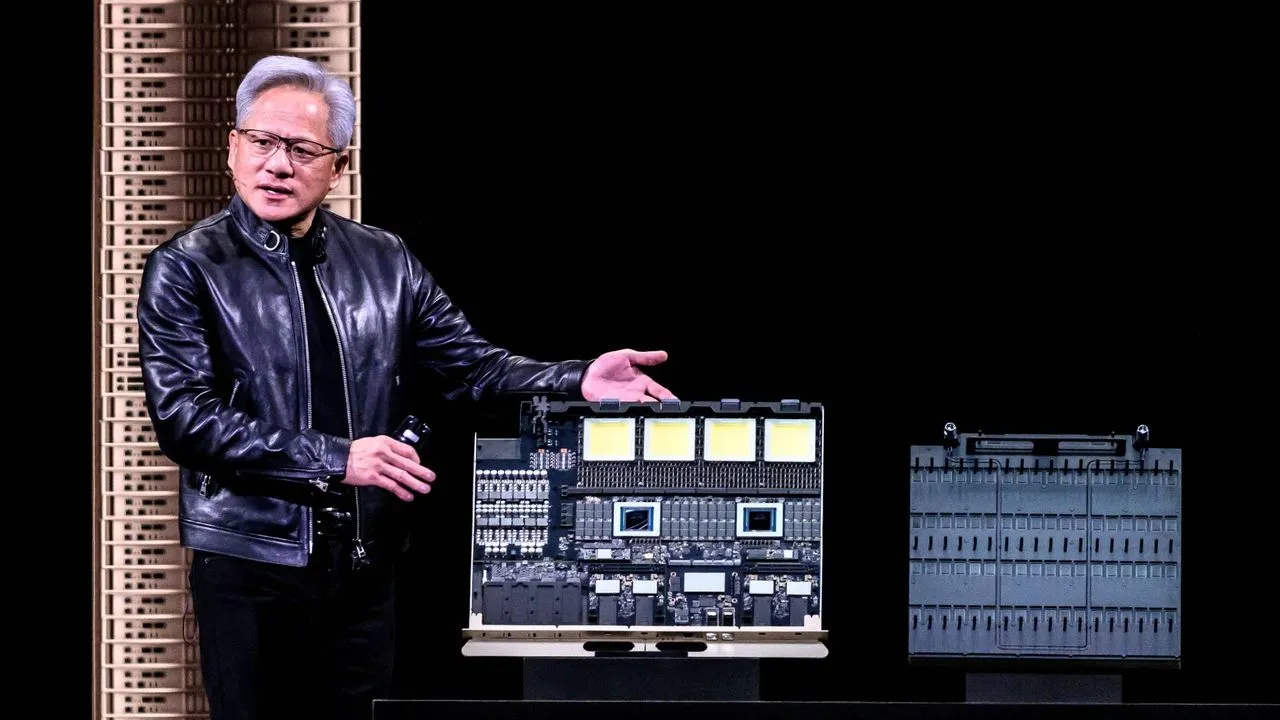
Nvidia’s upcoming Rubin servers will use “context memory storage” (CMX), equipped with 576 SSDs for 9,600 TB per system. Industry estimates anticipate NAND demand for CMX rising from 35 million TB this year to over 100 million TB next year, with supply likely prioritized for AI over consumer devices.
Nvidia’s Rubin is about to do something most memory markets can only dream about: it may “soak up NAND supply like a sponge absorbs water,” as analyst Jukan put it on X. The core reason is Nvidia’s new “context memory storage” (CMX) approach, which the report expects to show up with Rubin servers later this year. And the numbers behind that sponge metaphor are big enough to make storage executives sit up.
According to the figures cited in the report, Nvidia’s CMX is equipped with 576 SSDs, delivering a total storage capacity of 9,600 TB per system. Then comes the market-scale demand estimate: NAND required for CMX could jump from 35 million TB this year to over 100 million TB next year. To translate that into plain English for decision-makers: the AI server buildout is not just consuming “more” storage. It is potentially creating a new, dramatically larger lane of NAND demand, and it is arriving faster than most suppliers can shift capacity without tradeoffs.
Under the hood, CMX is designed to sit in the “in-between” space of the memory stack. The source describes it as existing somewhere between an AI accelerator’s high bandwidth memory (HBM) and traditional long-term storage. If HBM is the fast, close-to-the-compute memory, CMX is the quicker-than-typical storage layer meant to serve context for AI workloads. The analogy in the article is that CMX has a relationship to HBM similar to how RAM relates to CPU cache, while also being far more accessible than standard long-term storage. That matters because speed changes what AI architectures can afford to do. When context can be accessed quickly and shared across accelerators, the system can rely on more of it.
The “more” in “more context” is not coming from some abstract research paper. It is tied to how CMX is networked. The source says CMX can be shared across different AI accelerators and is accessible much more quickly because it connects over “Spectrum-X Ethernet.” That connectivity is the bridge that turns a storage pool into something closer to an operational memory resource. In practice, that means CMX might reduce pressure to cram everything into the most expensive, fastest tiers alone, while still giving models the context they need without waiting for slow disk behavior. Again, none of this is just a technical flourish, because storage demand scales with system design.
So who benefits? NAND makers, especially those aiming to become key suppliers for Nvidia’s AI servers. Samsung is named in the source as attempting to establish itself as a key supplier to Nvidia for this new kind of demand. If CMX is indeed a major NAND sink, suppliers that lock in qualification and volume earlier could capture a larger slice of the next wave. For board members and procurement teams, that is a straightforward strategic calculus: win the next platform’s buildout, and you win volume, pricing power, and visibility.
But there is a second-order effect that is less flattering for everyone else: consumers. The source flags that more NAND or DRAM demand from the AI industry, via big contracts, is usually prioritized over the consumer market. In other words, when the biggest buyers want massive quantities, the allocation tends to follow the money and the urgency. The piece also notes that there are “higher-ups” in the memory industry who seem concerned about consumer prices, but it expresses skepticism that those concerns will redirect meaningful supply away from AI servers and toward home consumers in the short to medium term.
That tension is where strategy gets real for executives. If your company sells memory into consumer-facing devices, you are competing not just on cost, but on timing and certainty of allocation. If your company sells into data center builds, you are competing on platform readiness and integration, with the potential upside of being pulled into AI architectures that require new amounts of NAND. And across the supply chain, the sudden emergence of a storage-intensive “context” layer creates a planning problem: capacity expansions take time, qualification cycles are slow, and the market often has to reallocate while demand ramps.
The report’s numbers are the clearest signal: CMX alone implies 9,600 TB of storage capacity per system (576 SSDs), and total NAND demand for CMX could leap from 35 million TB this year to over 100 million TB next year. That is the kind of step-function demand that forces suppliers, investors, and planners to update their assumptions fast. For decision-makers in adjacent memory and infrastructure roles, the stakes are simple: if you misjudge where AI workloads land in the storage hierarchy, you risk being underbuilt for the real demand. And if you overinvest in the wrong tier, you eat the costs while someone else rides the Rubin wave.
This story's Key Insights and Take-aways are locked.
Create a free account to unlock Executive Actions for one credit.
Register to UnlockAlways free for Executives Club members. Join the Club
More in Technology

Musk's 'adieu' and 'blow torch' posts cost him the Twitter bird trademark
A federal judge ruled Musk's own tweets about retiring the Twitter brand are evidence that killed the iconic logo trademark.
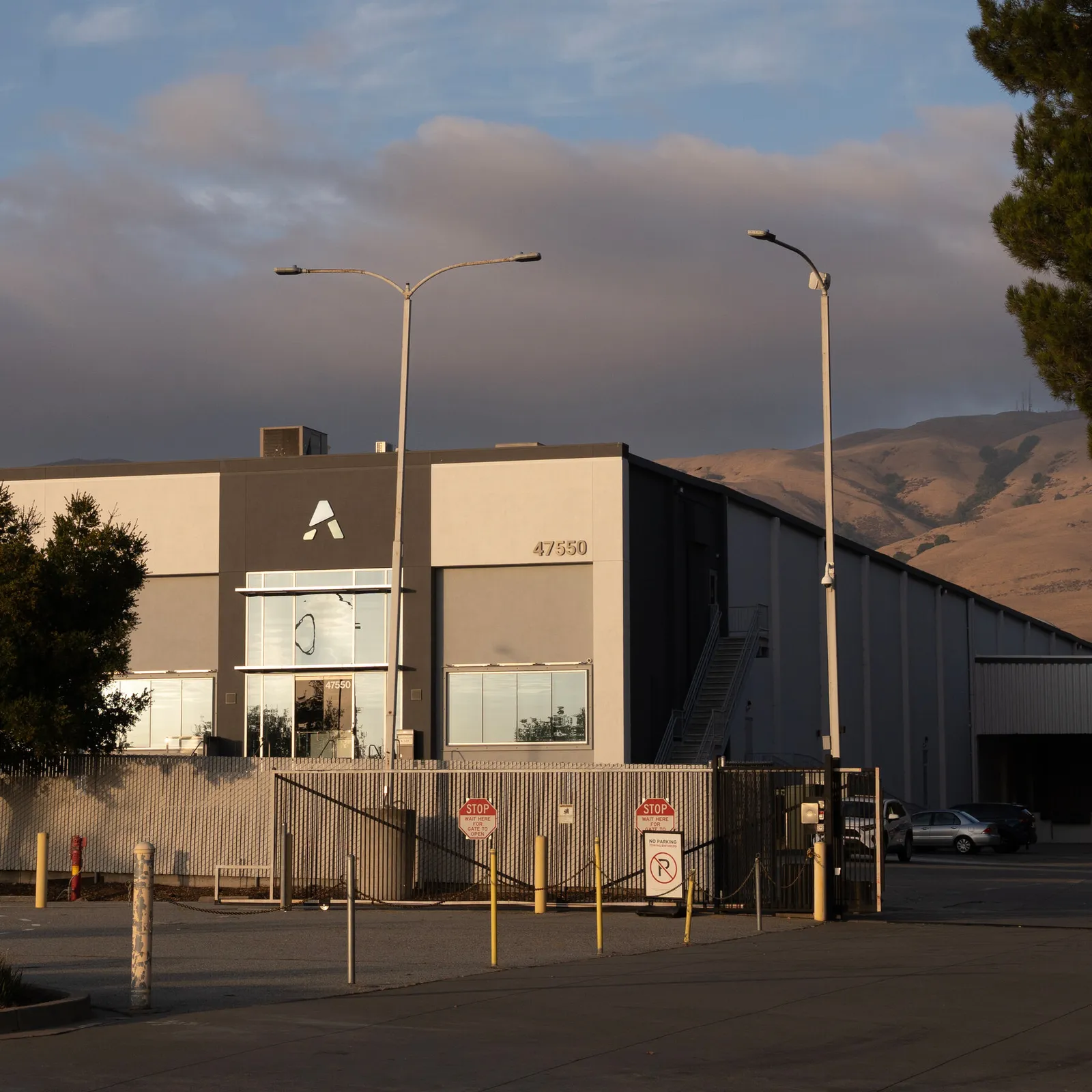
Blacklisted Inspur Still Got Nvidia's Best AI Chips via a Subsidiary
Washington blacklisted Inspur for military ties, but its subsidiary kept shipping Nvidia's top AI chips to China's leading firms - exposing a compliance gap with huge stakes.

Cyborg cockroaches can now carry cameras and inject medicine on command
A WIRED report shows electrodes, cameras, and injection devices turning live roaches into remote medics for disaster rescue.