
Nvidia’s 9.3% stake disclosure lifts Nebius stock 7% premarket Tuesday
A fresh filing shows Nvidia owning about 22.26 million shares in Nebius, and markets reacted fast.

Nebius stock surged about 7% in premarket trading Tuesday after a filing disclosed Nvidia holds a 9.3% stake in the AI cloud company. The disclosure also put a specific ownership figure on the table: roughly 22.26 million shares, changing how investors may view Nebius’s capital and strategic positioning.
Nebius stock jumped roughly 7% in premarket trading Tuesday, and the trigger was brutally specific: Nvidia disclosed it holds a 9.3% stake in the AI cloud company.
That same filing also revealed the scale of the position, showing Nvidia holds roughly 22.26 million shares in Nebius. For markets, this is the kind of detail that compresses uncertainty. When a heavyweight name like Nvidia becomes a known owner at a disclosed percentage, it changes the information environment immediately, not after months of earnings calls.
To understand why a 9.3% stake can move a stock even before the opening bell, think about how public-company ownership signals are processed. Investors constantly ask two questions at once. First, is this stake merely passive investment, or is it a strategic bet with operational implications? Second, does the presence of a sophisticated buyer reduce perceived downside risk. A disclosed stake answers the first question only partially, but it does something markets really value: it makes the ownership situation measurable and comparable to other corporate relationships.
There is also the practical side of filings. Disclosures like these generally land on the market with real speed because they come with verifiable numbers, not vague “strategic interest.” The headline figure in this case is the 9.3% stake. That matters because it is a percentage, which is easy to map to influence, negotiation leverage, and potential future actions. And it is paired with an exact-ish share count. Nebius is not just getting “a supporter,” it is getting a named, quantifiable large holder.
For executives and board members, the second-order effect is about incentives and attention. When a major tech supplier becomes an owner, it can shift internal priorities, sometimes subtly. Not because anyone is obligated to change strategy on the spot, but because ownership often increases the frequency and intensity of discussions, even if those discussions are informal. Boards tend to treat large new stakeholders as part of the governance conversation, and management teams often prepare more detailed reporting to major investors.
It also changes how outside investors model the company. Nebius investors and potential buyers may start to assume higher perceived credibility in the business plan, or they may reassess the likelihood of partnerships, given that Nvidia is both a demand driver in AI compute and a gatekeeper in the ecosystem. The point here is not to claim new contracts or new product plans from the filing alone. The only confirmed facts in the source are the stock move in premarket trading, the 9.3% stake disclosure, and the rough share count of 22.26 million. But the market’s reaction suggests investors are interpreting those facts as meaningful.
From a regulatory and market-structure standpoint, disclosed stakes also tend to reduce the “mystery premium” around corporate strategy. Sometimes, a stock trades as if there might be a buyer quietly accumulating. When the filing surfaces, that hidden variable gets named. Markets can then reprice quickly because uncertainty declines, and repricing tends to show up first in premarket trading where information-reactive investors are positioned to act early.
So what should decision-makers take from this move? In a sector where AI cloud is competitive and capital markets attention moves fast, ownership by a heavyweight can become a catalyst for narrative, not just arithmetic. Nebius is now associated with Nvidia in a way that is pinned to a specific stake size and a specific share count. Even if Nvidia’s involvement is ultimately financial rather than operational, the immediate effect is the same: it places Nebius in a different category of scrutiny and investor interest.
Peer companies and boards should watch for the knock-on effects of this kind of signal. When a large player discloses a stake, it can influence how other investors evaluate comparable “picks and shovels” AI infrastructure bets. It can also affect how management teams think about shareholder composition and engagement strategy. In short, this is not just a headline about a stock spike. It is a reminder that in today’s market, ownership disclosures can function like a spotlight. Once it turns on, capital follows quickly, and the next move is always to understand what questions the market is going to demand answers to.
This story's Key Insights and Take-aways are locked.
Create a free account to unlock Executive Actions for one credit.
Register to UnlockAlways free for Executives Club members. Join the Club
More in Business

Uber buys Delivery Hero for nearly $15B, vaulting to top food delivery outside China
The deal doubles Uber's dual-services footprint and pushes a ride-and-eats bundling play into 50 more markets.

Epic and Google drop settlement bid, forcing rival Android app stores by July 22
Google told the court it is ready to carry third-party app stores starting Wednesday, July 22.
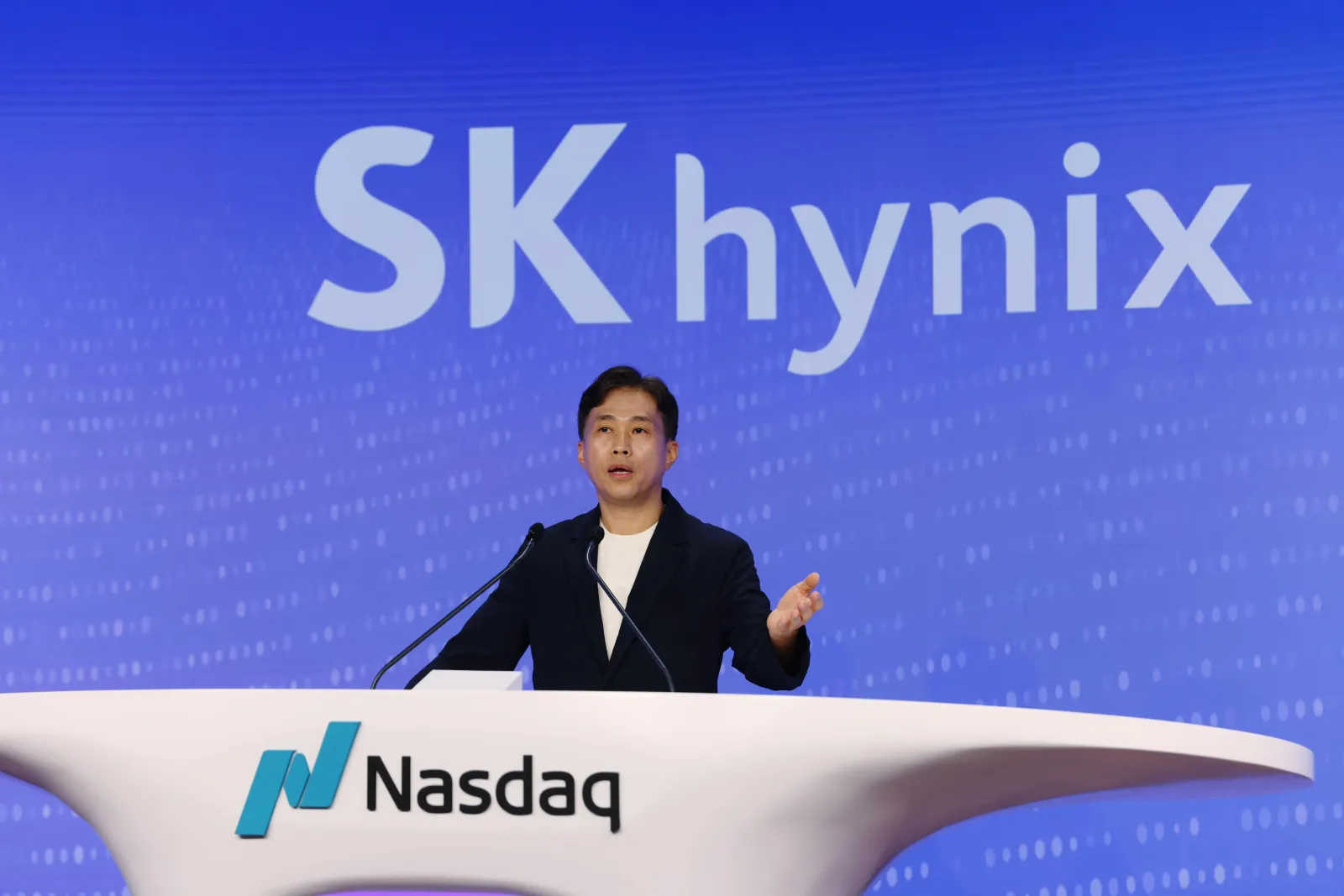
SK Hynix opens at $170, raises $26.5B, and tops foreign IPO records
In Friday's Wall Street debut, SK Hynix turns AI RAM demand into a $26.5B fundraising moment that rewrites comps.