

Olivia Rodrigo and Robert Smith debut “What’s Wrong With Me” at Primavera Sound
A surprise Primavera Sound set pairs Rodrigo with The Cure legend Robert Smith, spotlighting a new collaboration moment.
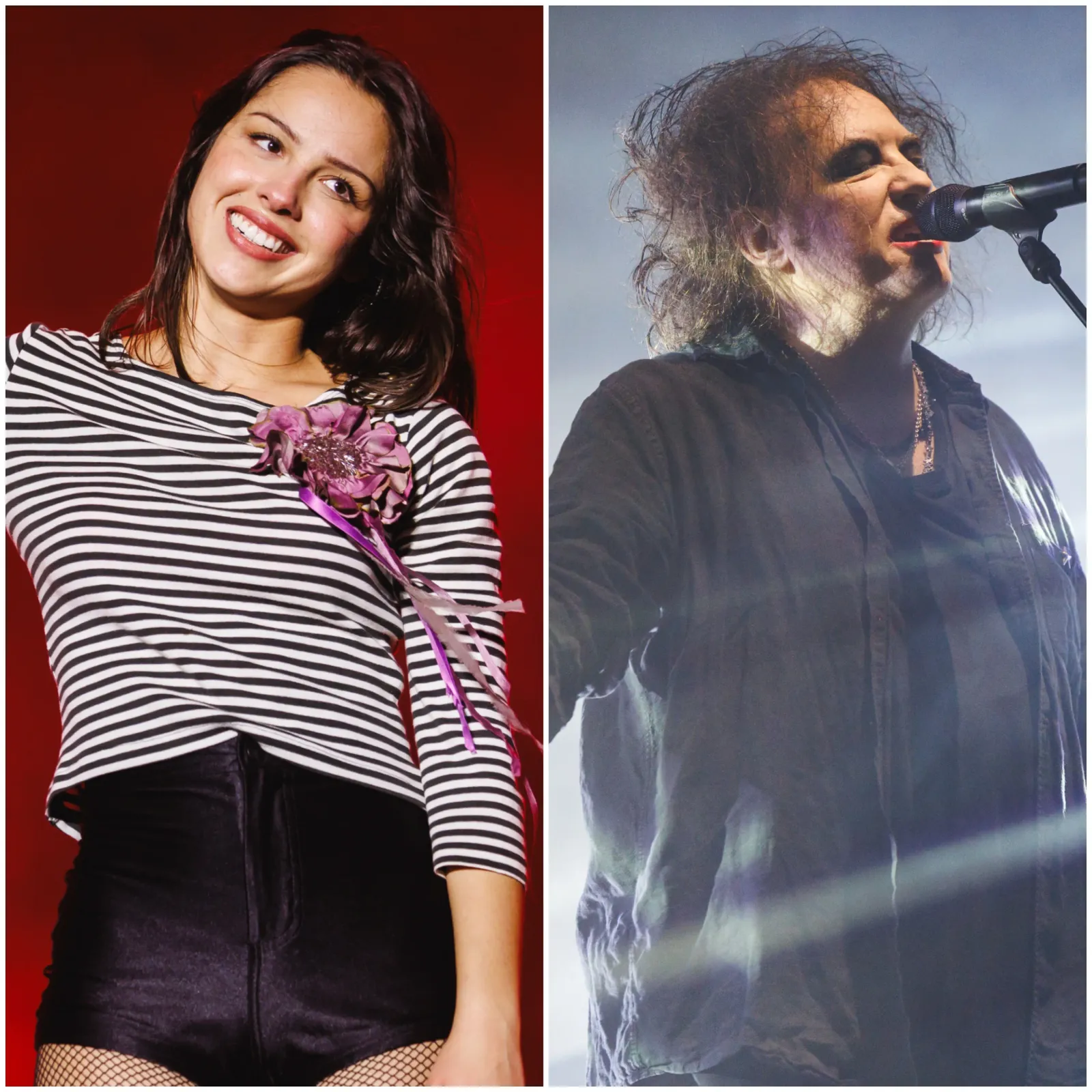
Olivia Rodrigo and Robert Smith performed “What’s Wrong With Me” during Rodrigo’s surprise Primavera Sound set last night. For decision-makers in music, it is a reminder that live moments can rapidly reframe an artist's next cycle.
Last night at Primavera Sound, Olivia Rodrigo pulled off something rarer than a planned single rollout: she debuted “What’s Wrong With Me” in public with Robert Smith. Smith, best known as the frontman of The Cure, showed up for the performance during Rodrigo’s surprise set. That matters because in pop music, the “how” of a release can be as influential as the “what.” Rodrigo did not wait for a traditional announcement cadence. She let the song arrive through a live, immediate, high-attention setting, then paired it with a cultural heavyweight whose name carries its own audience and expectations.
So what exactly happened? Pitchfork reports that Rodrigo and Robert Smith performed “What’s Wrong With Me” at Rodrigo’s surprise Primavera Sound set last night. The specificity is the whole point. This was not a rumor, not a festival tease that goes nowhere. The track was physically performed in front of an audience already primed to care, with Smith visibly in the mix. If you are tracking the music business as operators, investors, or creators, that is a signal about how quickly attention can be minted and redirected when artists choose the live stage as the launch vehicle.
From a strategy standpoint, surprise sets work because they compress the time between “discovery” and “consumption.” In modern media, the audience does not just listen; it reacts, posts, clips, and rewrites the narrative while the performance is still fresh. Festivals are basically engineered for this. Primavera Sound is not a bedroom livestream where context disappears. It is a concentrated spotlight where even casual viewers get swept into the momentum. Rodrigo’s choice to debut the song there also removes friction from the fan journey: instead of asking people to wait for a video, a radio add date, or a label-friendly press schedule, she offered an event.
Now add Robert Smith. Smith is not just a recognizable face; he represents a particular lineage of alternative rock and a different set of aesthetic expectations. Pairing him with a mainstream pop artist raises a second-order question that executives should care about: what happens when two audience ecosystems overlap? The answer is often not just “more people watch.” It can change what people think the music is for. A performance featuring Smith can pull the song into conversations that might otherwise stay separate from pop charts, playlists, and algorithmic discovery. That can extend the shelf life of a release, because it does not live only in one genre’s media rhythm.
There is also an operational angle. Live debuts create downstream responsibilities. Labels, publishers, managers, and rights teams have to ensure that recordings, publishing splits, and downstream synchronization for platforms align with whatever the audience is hearing and sharing. Even if a festival performance is not the same as a formal release, the moment can still accelerate demand: people will search, compare, ask for credits, and look for the official version. Executives who treat this as “just marketing” miss the reality that live performances can intensify rights and metadata workflows. In a world where fans expect instant access, the faster the narrative moves, the faster the compliance has to keep up.
On top of that, music is increasingly governed by platform behavior rather than traditional gatekeepers. That makes festival moments unusually valuable. When algorithms have limited context, human context takes over. A visible pairing, like Rodrigo performing with Robert Smith, supplies story structure that platforms can amplify. From a board or investment perspective, that reduces some uncertainty around audience reception because social proof arrives quickly, in real time. It also creates a clearer path for media coverage, since outlets can point to something concrete: a surprise set, a named collaborator, and a specific new song performed onstage.
The strategic stakes for peers are straightforward. If you are an executive at a label, publisher, or management company, this is a case study in how to turn a live performance into a release moment without waiting for the usual calendar. If you are a founder building tools for music intelligence, this is a reminder that what fans want is not only tracks, but provenance: who showed up, what was played, and when it happened. And if you are an artist operator, Rodrigo’s move underscores a simple but powerful lesson: the debut channel matters. The same song can land differently depending on whether it shows up as a press headline or as a live event with a legend in the room.
In short, Rodrigo and Smith performed “What’s Wrong With Me” at Rodrigo’s surprise Primavera Sound set last night, turning a festival appearance into a true first act. That is the kind of attention ignition that can ripple beyond the stage, reshaping how audiences and industry partners understand what is next.
This story's Key Insights and Take-aways are locked.
Create a free account to unlock Executive Actions for one credit.
Register to UnlockAlways free for Executives Club members. Join the Club
More in Entertainment

Christopher Nolan’s “The Odyssey” posts his biggest Tuesday haul, surpassing “The Dark Knight’s” record
The film’s Tuesday breakout reframes Nolan’s box-office ceiling and forces competitors to rethink timing, budgets, and release strategy.

Kacey Musgraves cancels Aug. 20, 29, Sept. 2 Middle of Nowhere shows
Ticketmaster emails are telling fans refunds are coming, while the tour still starts Aug. 21 in Chicago.

Billie Joe Armstrong launches Epiphone Les Paul Junior and Marshall 1959BJA signature gear
Two limited releases turn decades of Green Day’s tone into branded hardware, including Marshall’s first artist amp in 14 years.