
Olivia Rodrigo, Olivia Dean, and Lola Young turn “relatable” into chart power
Authenticity is becoming pop's competitive advantage, and it is reshaping how labels, platforms, and audiences hunt hits.
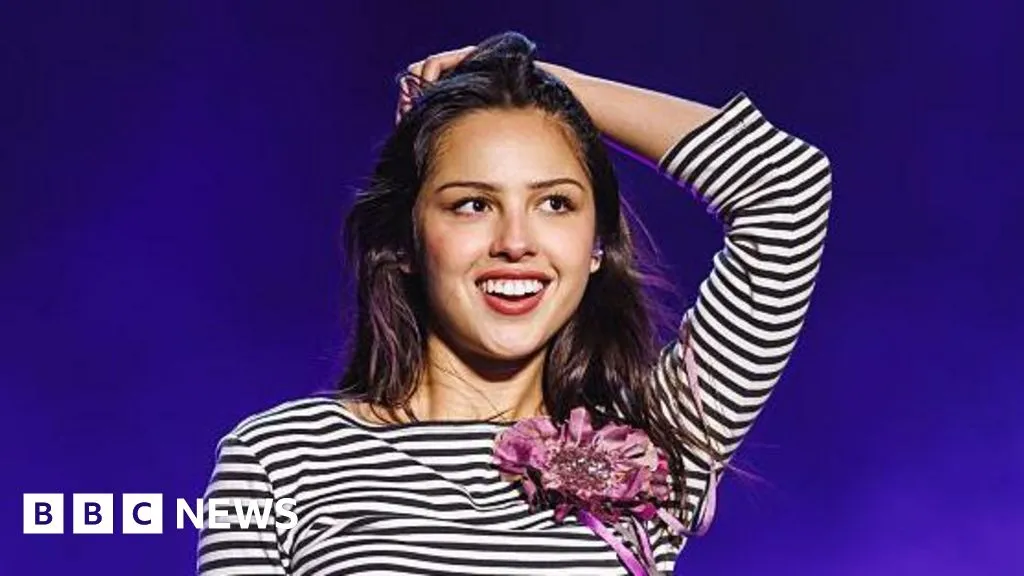
BBC News points to a shift in pop music driven by the relatable, unfiltered styles of Olivia Rodrigo, Olivia Dean, and Lola Young. For decision-makers, the consequence is clear: authenticity-driven branding may be changing what gets funded, marketed, and playlisted.
Pop music is picking a new differentiator. Not the kind you can usually fake with a bigger budget. BBC News frames the change around something simpler and harder to counterfeit: authenticity.
The report asks whether the relatable style associated with Olivia Rodrigo, Olivia Dean, and Lola Young is changing pop music. In other words, the question is not whether these artists are successful, but whether the way they present their voices and lives is becoming an industry-wide pattern. If it is, then the “signal” labels have been trained to chase, the one that says what audiences want, might be shifting from polish to proximity.
That matters because pop is an attention market, not a traditional product market. Attention is rented out by playlists, radio, and social feeds. When the product is music, the packaging is part of what people buy. Historically, the industry has sold an idealized version of artistry, usually crafted through songwriting polish, controlled image, and carefully managed narratives. Authenticity flips that. It implies the audience is rewarding songs that feel like they come from the moment they were written, or at least from a persona that refuses to over-perform.
There is also a business logic underneath the vibes. When major artists sound raw or write in a way that feels personal, they do not just entertain. They set a style reference that other creators borrow. A wave begins when followers recognize the blueprint and think, “I can do that too.” That creates a self-reinforcing loop: more artists adopt similar signals, labels notice, platforms learn what performs, and marketing teams translate “relatable” into campaign language. If Rodrigo, Dean, and Young are leading that loop, they are not only shaping charts, they may be shaping the creative defaults of the next wave.
The BBC framing suggests authenticity is not a passive trend. It is an organizing principle that can help female singers rule the charts. That is a consequential claim for anyone making decisions around talent strategy. Labels and management teams typically weigh risk carefully, especially when audience taste is fragmented across demographics and platforms. Authenticity is appealing because it looks like brand clarity. It tells the audience why the artist is worth their time, and it gives marketing teams a story that is easier to communicate than abstract “genre innovation.” The downside is that authenticity is also more exposed. If the audience senses performance, the backlash can be sharper. So boards and exec teams should treat authenticity as a capability, not a costume.
Regulatory and platform dynamics are part of the context, even if the story is primarily about culture. In many markets, regulators and competition authorities have been pushing for transparency and fairness around digital distribution. Separately, platforms shape discovery through algorithms and playlisting practices that can amplify certain signals, sometimes faster than traditional gatekeepers would. When a style becomes algorithm-friendly, it can scale quickly. That means a change in how songs are written and presented can become a change in what the machine rewards. For executives, this matters because it shifts the boundary between “creative direction” and “go-to-market strategy.”
Second-order effects are where the real board-level questions live. If authenticity is helping female singers rule the charts, it may also influence who gets resourced. Development budgets could tilt toward writers and performers who can deliver that rawness consistently. A&R teams might screen for emotional specificity, not just catchiness. Brand partnerships could favor campaigns that highlight lived-in stories over curated spectacle. And internal politics at labels can change too: when authenticity becomes the growth lever, stakeholders with strong track records in image management might lose relative influence to teams that specialize in community building and audience narrative.
Ultimately, BBC News is using a simple set of names, Olivia Rodrigo, Olivia Dean, and Lola Young, to point at a broader “maybe” that should not be dismissed. If authenticity is truly reshaping pop, executives who treat it like an aesthetic will get outrun by those who treat it like an operating model. The stakes for peers are straightforward: chase the next sonic twist without understanding the audience signal behind it, and you risk funding songs that do not land. Understand the authenticity advantage, and you can align talent, marketing, and discovery with what listeners are already rewarding.
This story's Key Insights and Take-aways are locked.
Create a free account to unlock Executive Actions for one credit.
Register to UnlockAlways free for Executives Club members. Join the Club
More in Entertainment

Heated Rivalry climbs back on Apple TV, 29 weeks after HBO premiere
Apple TV chart momentum returns for HBO Max's NHL romance, showing how rewatchability can extend a streaming hit’s shelf life.

Stephen King’s cancelled horror series surges on MGM+ after MGM+ cut it short
A 10-episode Stephen King adaptation gets a second chance on streaming after cancellation, and executives should notice why.

Tom Llamas warns: NBC’s anchor chair feels like “game over” without growth
Fortune profiles Tom Llamas’s first year leading NBC Nightly News and the career rules he thinks Gen Z must steal.