

OnePlus confirms it quits US and Europe, ending new launches for good
Parent Oppo will honor existing warranties, but OnePlus is stepping away from the two biggest smartphone battlegrounds.
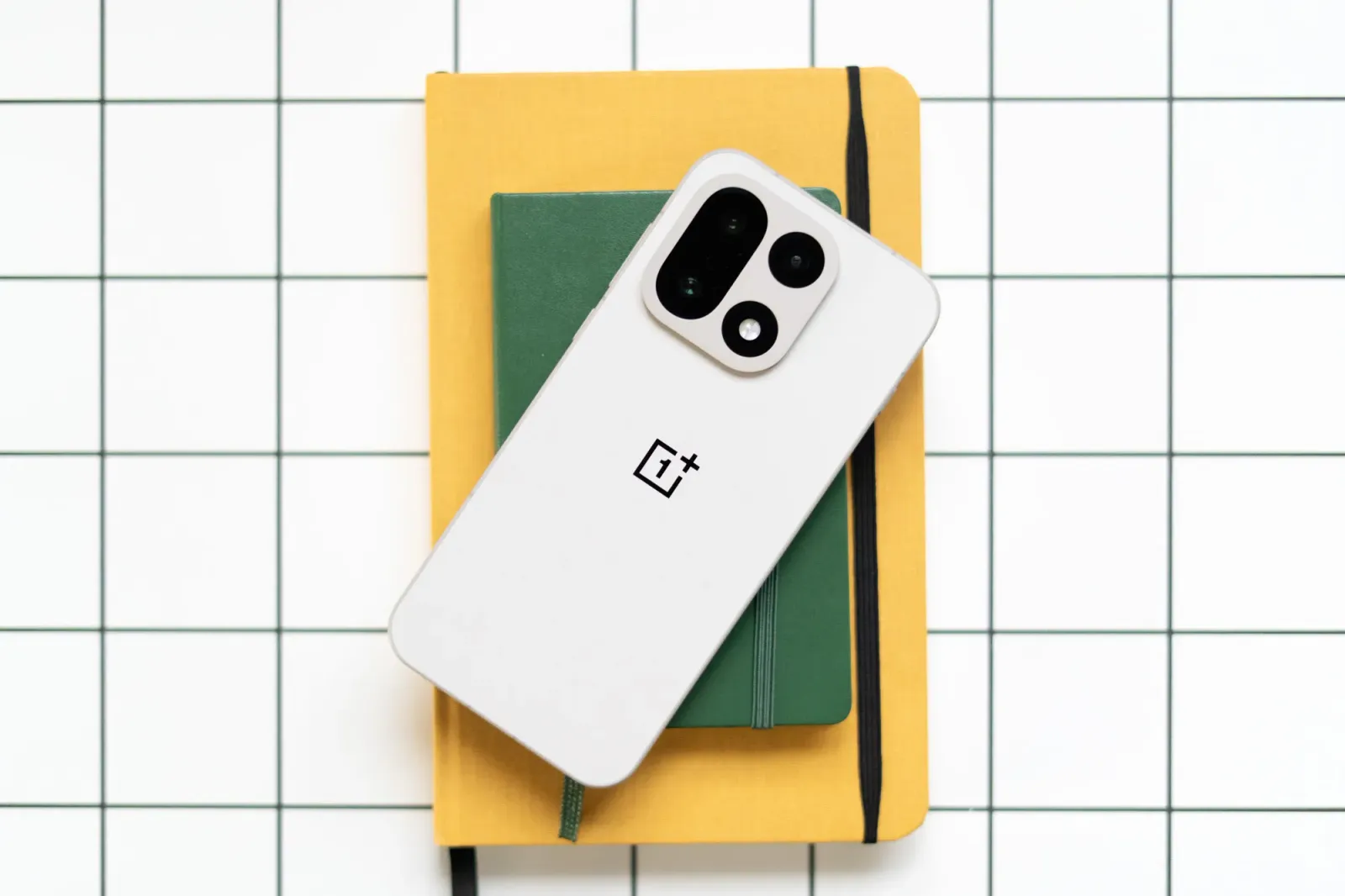
OnePlus has confirmed it will stop launching new products in both the US and Europe, and that the OnePlus 15 was its final US flagship. Oppo, the parent company, says it will honor existing support and warranty agreements during the transition to its ColorOS for future updates.
OnePlus has officially confirmed what many in the industry had assumed: it is quitting the US and European markets and will no longer launch new products in either region. In other words, OnePlus 15 was not just another phone, it was the company’s final US flagship, closing the chapter on a strategy that had both fans and critics.
Oppo, OnePlus’s parent company, says it will still stand behind existing customers. Oppo’s senior PR manager in Europe, James Paterson, told The Verge in a call that “Software updates and after-sale support will be guaranteed” in both the US and Europe. That matters because the practical question for decision-makers is not the press release, it is what happens when a device needs repairs, updates, or warranty support after the launch ramp stops.
So what does this “quit” actually mean operationally? The source is clear that OnePlus will stop launching new products in the US and Europe entirely, meaning no fresh models, no new regional marketing pushes, and no continuing product lifecycle built around those markets. That is a big shift for a brand that historically used those regions for visibility, carrier relationships, and competitive positioning. When you stop shipping, you do not just lose future revenue. You also change how you manage inventory decisions, service center planning, staffing, and the long tail of support obligations.
The longer story here is how smartphone companies typically build geographic presence, then decide whether to keep paying for it. Launching products in multiple regions is expensive, not just for marketing but for compliance, logistics, retail or partner agreements, and ongoing software maintenance. Once a company decides the economics do not pencil out, it usually faces a brutal trade-off. Stay present and keep spending for uncertain growth, or exit and reallocate resources to markets where demand is stronger or execution is easier.
In this case, the company’s exit is paired with a transition in software. Oppo promises that devices will transition to its ColorOS for future updates. For customers, that is the difference between a brand that fades quietly and one that still improves over time. For executives and boards, it is also a sign that the parent company is trying to keep the installed base from feeling abandoned, even while OnePlus stops competing with new hardware in those regions.
Warranty and support is where this becomes most sensitive. The source says Oppo “wouldn’t confirm any specifics on how it will honor its warranty and support agreements in the US, where it will now have no presence at all.” That is a key detail. If there is no in-region operations, then “guaranteed” support has to be delivered through some combination of third parties, remote service processes, or contractual arrangements. The lack of specifics means risk might fall on customers and partners to interpret what the guarantee covers in practice, including repair pathways, turnaround times, and what happens when parts or service workflows are needed.
Contrast that with Europe, where the company is at least signaling a clearer support commitment. Paterson’s statement covers both regions at a high level, but the article notes that in Europe, Oppo’s approach will include the guarantee language tied to software updates and after-sale support. Still, the strategic reality is the same: if you exit, you are outsourcing a chunk of your reputation management to your warranty mechanics. Any misstep here can become a costly brand tax, especially for a company that has built a loyal user base in part on software expectations.
There is also a regulatory and consumer-protection backdrop. In both the US and Europe, consumer rules, warranty expectations, and digital product compliance norms can differ substantially, but the business pressure is similar: companies cannot just disappear when customers have paid for devices. Even if Oppo is honoring agreements, executives overseeing risk will be thinking about enforcement exposure, reputational impacts, and the legal and operational complexity of maintaining support without a direct market presence.
For peers, this is a planning wake-up call. OnePlus is making a decisive pullback from two major markets, while Oppo is trying to control the narrative by guaranteeing updates and support. Boards and finance leaders at other device makers should read this as a signal that the industry is still ruthless about geographic ROI. When launch costs, compliance burden, and competitive pressure stop yielding enough returns, exit becomes the cleanest option. The strategic stakes are not just OnePlus’s next quarter. It is how installed-base trust, service obligations, and software continuity translate into brand survivability after an exit.
This story's Key Insights and Take-aways are locked.
Create a free account to unlock Executive Actions for one credit.
Register to UnlockAlways free for Executives Club members. Join the Club
More in Technology

Google quietly links your phone number to every Android account on your SIM
Adding a SIM now ties your phone number to all Google accounts - and future accounts inherit it. Here's the security and privacy stakes.

Hijacker AI 'Skynet mode' runs 100,000 attack steps against exposed models
Symantec caught a criminal AI agent that borrows other models, steals data, and mines crypto; the only relief is no confirmed victims yet.

Nvidia's AI-financier shift faces its first big test as neoclouds stumble
A rout in neocloud stocks is forcing investors to weigh Nvidia's hidden exposure as both supplier and lender to the AI buildout.