

OpenAI turns ChatGPT into a superapp before its IPO, chasing autonomous agents
Fortune reports OpenAI will redesign ChatGPT, add tools and partner apps, and reposition Codex and business revenue ahead of IPO.
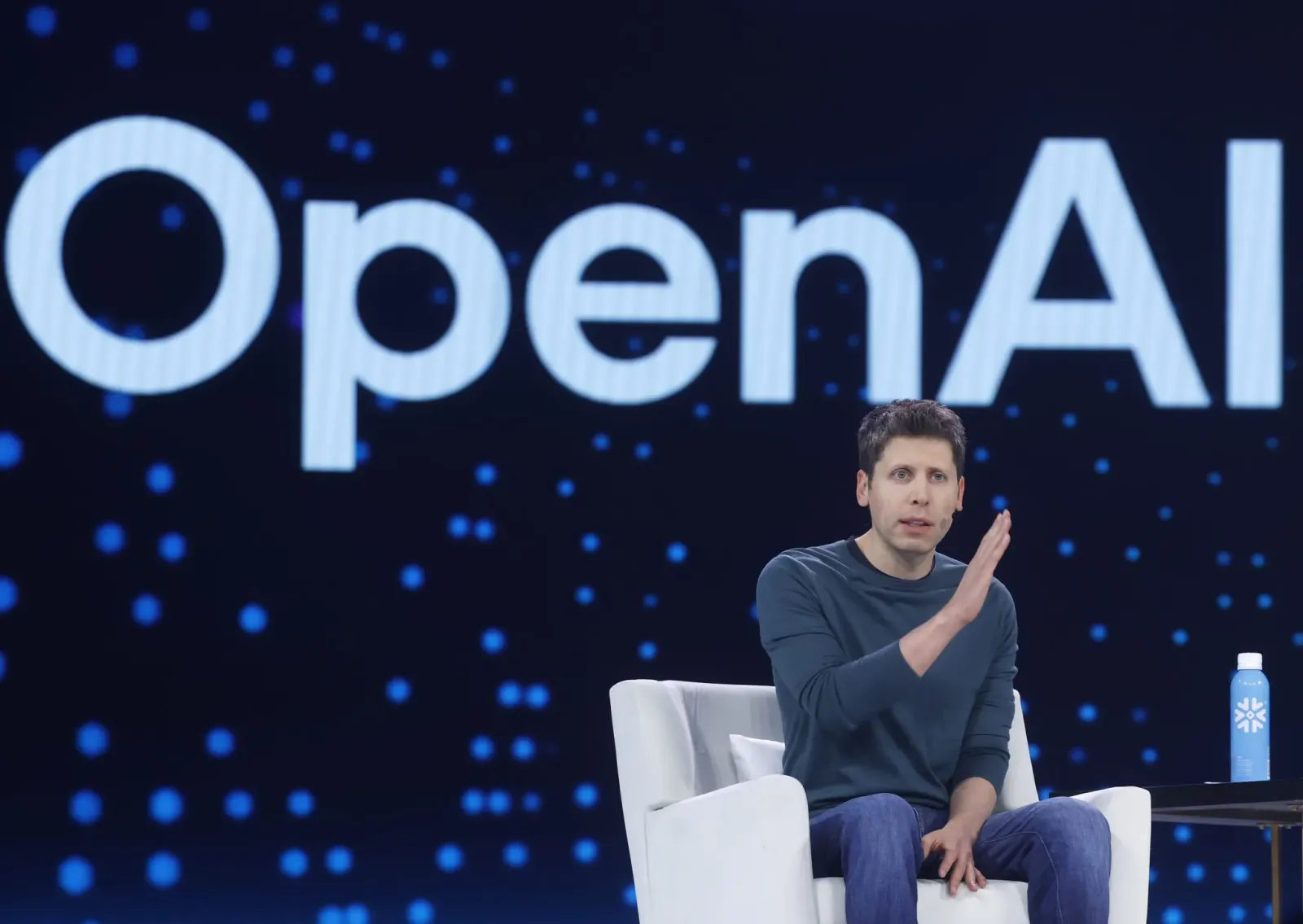
OpenAI is readying a platform overhaul before its planned IPO later this year, with Fortune reporting it will transform ChatGPT from a basic Q-and-A chatbot into a comprehensive “superapp.” The pivot is driven by a belief that the future of AI is autonomous agents that execute complex, multi-step tasks, not just answer queries.
OpenAI is preparing to turn ChatGPT into a comprehensive “superapp” before its planned IPO later this year, according to the Financial Times. The plan, described by the paper as a set of changes rolling out in the coming weeks, is meant to help OpenAI better compete with rivals such as Anthropic. The scope is not subtle, either. The redesign is expected to reshape the company’s website and mobile app interface, while also adding new capabilities and partner-built applications.
In plain terms, OpenAI wants ChatGPT to stop acting like a chatbot and start acting like an interface for doing things. The Financial Times reports that OpenAI is building around the conviction that the future of AI belongs to autonomous agents capable of executing complex, multi-step tasks, like booking travel or managing calendars. That shift is a direct reframe of what “AI product” means, especially for an IPO candidate that will be judged by growth engines, not just demos.
The superapp approach is coming with multiple product layers. Fortune reports that OpenAI’s redesign is expected to add new coding tools and image generation, plus applications built by partners such as Canva and Booking.com. Those partner names matter because they hint at distribution, not just feature count. A superapp strategy is essentially an ecosystem strategy. If OpenAI can embed third-party workflows inside the AI experience, it can move faster than rivals that are trying to win only on model quality or standalone tools.
Behind the scenes, OpenAI is also reallocating attention. The Financial Times report says OpenAI has sidelined some consumer-focused initiatives, including a video-generation product launched less than a year ago, to focus on the reorganization. This is the kind of internal tradeoff that becomes more consequential once an IPO is on the clock. Even if a product succeeds, capital markets reward the narrative of a coherent platform, not a grab bag of experiments. In that context, choosing which bets to cut can be just as important as which bets to fund.
The pivot also reflects where OpenAI’s current traction is sitting. The FT reports that OpenAI’s software-writing product, Codex, saw its active user base increase six fold to more than 5 million weekly since its launch. Codex is not only a technical component of the superapp thesis, it is also evidence that developers and businesses want AI to do real work, not just respond to questions. The company’s business customers, the FT says, number 2 million and account for roughly 40% of revenue, a figure that could rise to 50% by the end of the year. For decision-makers watching OpenAI, that is a reminder that the strongest monetization path may already be in execution-heavy workflows, the exact lane autonomous agents aim to occupy.
There is also a coordination element across products. Fortune reports that The Information on June 3 said OpenAI is planning to combine Codex and ChatGPT into a so-called superapp in the coming weeks. Even though that detail comes from a different outlet, it fits the broader direction described by the Financial Times: unify the conversational layer with the software-writing and workflow layers, so users can not only ask for outcomes, but drive toward them step by step.
Zooming out, this is a classic race for the “AI layer” in consumer and enterprise life. Superapps are about where users spend time, where developers build, and where third parties pay for access. If AI agents can manage calendars, book travel, or carry out multi-step tasks reliably, they can become the default interface. And once that interface becomes the default, the company that owns it can collect distribution leverage across categories.
Regulatory and compliance realities loom in the background even when the story is framed as product strategy. As AI systems get closer to action, regulators often care about accountability: what the system did, how users consented, and how risks are mitigated, especially for travel, payments, and scheduling tasks. While the source does not lay out specific regulatory filings or requirements, the direction toward autonomous execution naturally increases the scrutiny surface area for any IPO-bound AI platform.
For peers in AI and adjacent software markets, OpenAI’s move raises a simple but sharp question: will your product be an assistant or a doer? If the “superapp” thesis holds, the winner is not necessarily the model with the best answers. It is the product that can translate intent into outcomes across steps, channels, and partners. And because OpenAI is preparing this overhaul ahead of a planned IPO later this year, it is not just trying to build something new, it is trying to tell a capital-markets-ready story about how AI becomes profitable at scale.
This story's Key Insights and Take-aways are locked.
Create a free account to unlock Executive Actions for one credit.
Register to UnlockAlways free for Executives Club members. Join the Club
More in Technology

OpenAI says 10,000 agents cracked a 90-year math problem in 88 hours
The company's claim is audacious, but one mathematician is pushing back. Here's what it means for AI-driven discovery.
Meta still serves child sexual abuse ads on Instagram in India - BBC report
A new report following the BBC Eye investigation says the ads are still there - what it signals for every platform with a self-serve ad engine.

White House yanks 'Build the Wall' game after Tetris Company copyright warning
The administration's arcade game vanished in hours - and the takedown playbook every brand can learn from.