

Orcas in Gulf of California ram sunfish together until the carcasses explode
A new Frontiers in Ethology paper documents cooperative “ramming” that may be practice, play, or social learning.
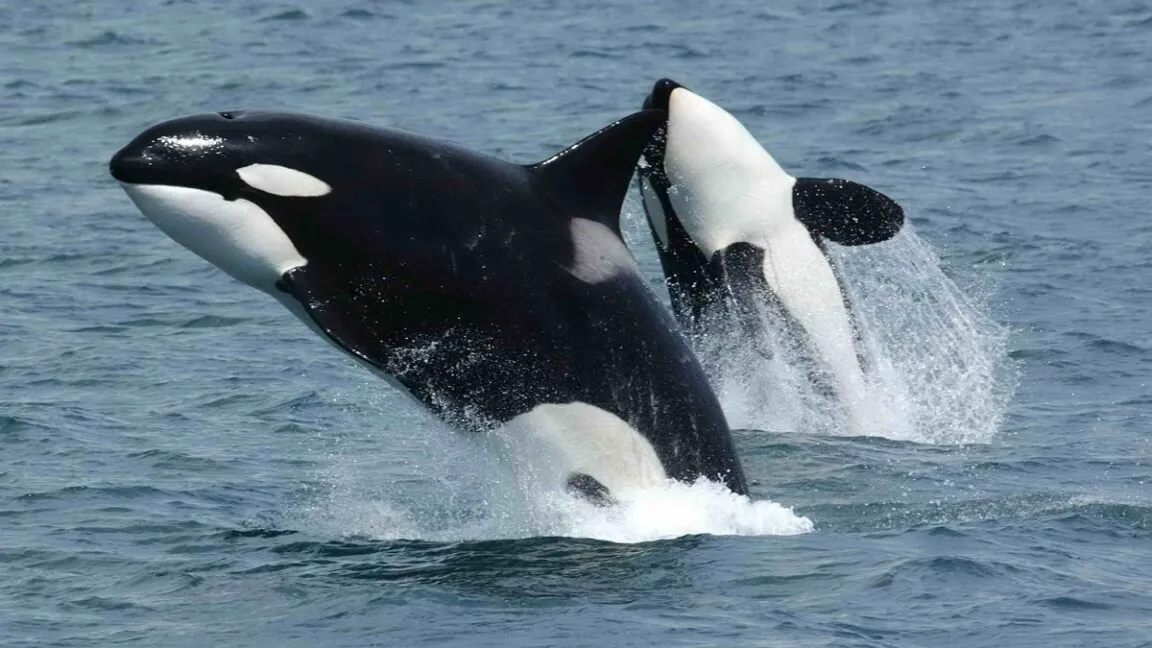
Orcas in the Gulf of California were filmed teaming up to ram sunfish so hard that carcasses exploded into small fragments, according to a new paper in Frontiers in Ethology. For decision-makers watching conservation and ocean policy, the finding raises fresh questions about how culturally learned hunting behavior spreads and why protecting habitats matters.
There have been plenty of accounts of orcas ramming boats, and sometimes sinking them. What’s different now is the evidence that the same high-force behavior can be aimed at prey. In the Gulf of California, orcas were filmed teaming up to ram sunfish with such force that the carcasses exploded into small fragments, a report tied to a new paper published in the journal Frontiers in Ethology.
The key detail is not just “orcas use force.” It is the cooperation and the brutality of the outcome, plus the interpretation that this could function beyond killing. Co-author Kathryn Ayres of Beneath The Waves, a nonprofit organization promoting ocean health, said, “We think this may help younger orcas feed more easily, or it could also just be for fun.” She added that “Orcas are known for playing with their food.”
For leaders in conservation, marine safety, and policy, this matters because it shifts the conversation from isolated incidents to behavior that could be learned and reinforced socially. Scientists already believe some boat-ramming behaviors can be culturally learned, passed down through generations. This new footage gives a fresh line of evidence: similar forces are being coordinated in a specific hunting context, and the researchers are framing it as social interaction, play, or practice as a mode of social learning.
That framing lands in an important gray zone that regulators and boards often struggle with: behavior that looks “aggressive” or “reckless” to humans may be structured practice in the orcas’ own social system. Cooperative hunting strategies in orcas are well documented in broad strokes. They can involve striking or killing animals, sometimes eating their prey and sometimes not. When prey is destroyed in a way that seems excessive to human expectations, the behavior can still be rational from the animals’ perspective, serving as training, coordination rehearsal, or play.
This is also not the first time orcas have used ramming-like tactics in coordinated ways. The source notes that orcas have been observed ramming whale sharks, with another orca holding the prey steady. It also points to other cooperative strategies that do not fit the simple “one predator attacks, done” model. Examples include herding mobile rays, blocking an escape path while hunting white sharks, and deliberately producing waves to bump penguins off ice floes. The common thread is teamwork and, in some cases, repeated technique that can be taught.
Second-order implications are where this gets tricky for organizations that need to plan. If certain behaviors are culturally learned and shared within social groups, then protecting a population is not only about preventing physical harm. It is also about preserving the social and ecological context where learning can occur. That affects everything from habitat management to where human activity concentrates, because orcas do not operate in a vacuum. Ocean health nonprofits, research institutions, and agencies that set operational rules often need to anticipate how orcas might respond when their hunting opportunities, prey distributions, or social structures change.
There is also a governance and risk-management angle. Accounts of orcas ramming boats and sometimes sinking them have already created real-world maritime safety concerns. A cultural learning model implies those incidents can persist and spread within groups, meaning a “one-off” event could be part of a longer behavioral pattern. Boards and decision-makers that fund or oversee marine programming, compliance efforts, or safety initiatives may need to treat these behaviors as more systematic than a headline incident suggests.
Finally, there is the reputational and prioritization challenge. The quoted interpretation from Ayres is intentionally open-ended: the behavior “may help younger orcas feed more easily,” or it “could also just be for fun.” That uncertainty is not a cop-out. It reflects that the science is trying to connect observation to function without overclaiming. For executives, that is a reminder that decisions in conservation and ocean policy often happen under ambiguity. The strongest move is to align with evidence that points toward long-term learning and ecosystem dependence, because culture and prey dynamics can shift slower than regulatory cycles.
In short, this is not just a wild video story. It is a documented, cooperative hunting tactic with an explosive outcome, published in Frontiers in Ethology, and interpreted through a lens of social learning, play, or practice. If you are a leader involved in marine strategy, the stake is clear: understanding how orcas learn and coordinate their behavior is part of protecting ocean health and managing human-orca interactions before they escalate from unusual behavior into persistent conflict.
This story's Key Insights and Take-aways are locked.
Create a free account to unlock Executive Actions for one credit.
Register to UnlockAlways free for Executives Club members. Join the Club
More in Science
2026 Nikon Small World Winners Reveal the Hidden Machinery of Everyday Life
A mycologist's frozen Edinburgh garden became the backdrop for vivid views inside cells, a reminder of what advanced imaging now makes visible to researchers and the industries built on biology.

Study: 1 in 4 depression cases may be a body-clock problem, not a chemical one
A 10,000-person study finds standard antidepressants often fail these patients, but melatonin and morning sunlight may hit the real root cause.

Start-Up Says A.I. Designed a Virus to Attack One Patient's Superbug
If the claim holds up, personalized phage therapy could become a new frontline weapon against antibiotic resistance - but proof is far from final.