
Oura Ring 5 slices in size, but the £5.99 monthly fee locks the full health data
Slimmer, longer-lasting hardware plus subscription-based access reshapes the smart-ring market in one clean move.
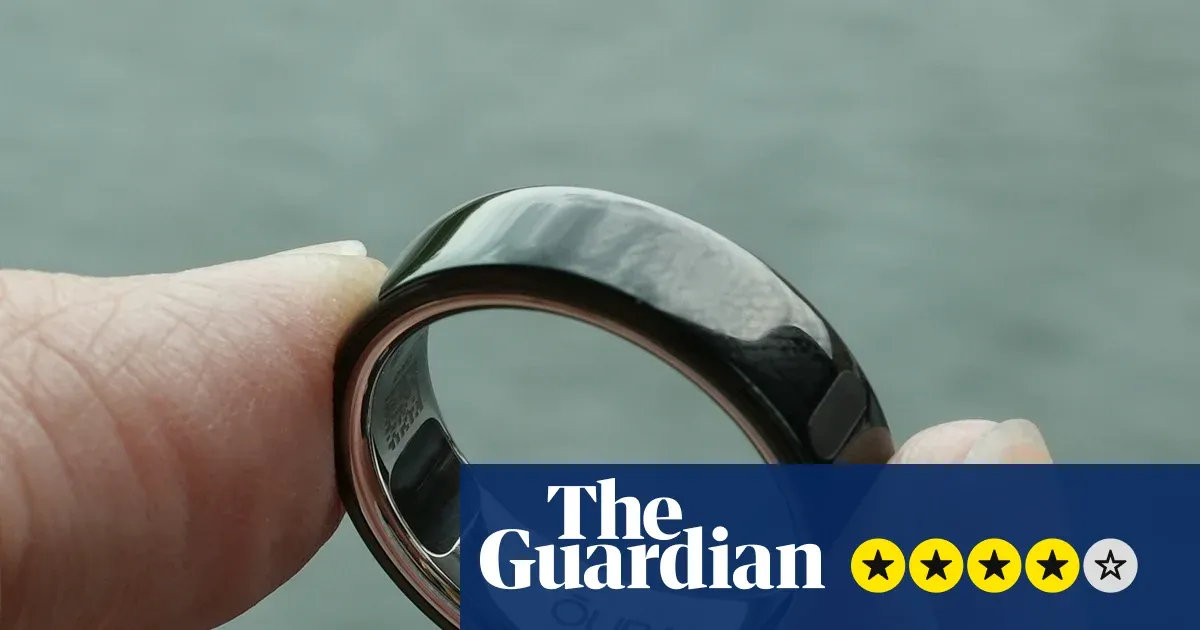
Oura’s new Ring 5 is positioned as a straight replacement for the Ring 4, shrinking dramatically in size and weight while extending battery life for daily wear. For decision-makers, the real twist is commercial: it starts at £399, but the richer health insights require a £5.99 a month subscription beyond basic daily metrics.
Oura just pulled a rare trick in wearables: it made a health tracker easier to live with. The Ring 5 is a “straight replacement for the popular Ring 4,” and the headline upgrade is physical, not flashy. It dramatically shrinks in size and weight so it sits in the real world like a normal piece of jewelry, not a device that reminds you every time you wash your hands.
That design choice is paired with a very specific pricing and access model. The Ring 5 costs from £399 (and €399/$399/$A649), and it is not a full-features experience out of the box. To access anything but basic daily metrics, you need a £5.99 (€5.99/$5.99/A$9.99) a month subscription. In other words, the Ring 5’s “forget you’re wearing it” promise comes with a “pay monthly for the good stuff” tradeoff.
This matters because smart rings live or die on adherence. In theory, everyone loves the idea of continuous health data. In practice, friction beats intention. If a ring feels bulky, you stop wearing it. If you stop wearing it, you stop generating meaningful signals, and the whole value proposition collapses into a charged-up paperweight. Oura’s approach is trying to solve the most stubborn adoption problem for this category: usability so you can keep the data stream alive.
But adoption is only half the equation. The subscription lever is the other half, and it is not subtle. Oura is selling hardware as the entry point while monetizing the analytics layer via the monthly fee. The review is explicit: beyond the basic daily metrics, the subscription is required. For executives evaluating consumer health platforms, this is a familiar playbook, but it is worth watching because it is directly tied to whether the product becomes a habit or stays a novelty.
There is also a market signal hidden in the phrasing. The Ring 5 is described as a “massive upgrade for smart rings” and a “very high new bar for health-tracking wearables.” That kind of claim matters in a crowded category where feature lists are often similar and differentiation gets vague fast. Physical form factor is one of the cleanest differentiators a hardware company can make, especially for wearables where people treat comfort as a product feature, not a nice-to-have.
The pricing adds another layer of consequence. At £399, an Oura ring is not priced like impulse consumer tech. The review calls it “not a cheap proposition.” That positioning pushes Oura closer to a premium device expectation, which typically raises the scrutiny on ongoing cost. You can buy the ring at a premium, then pay £5.99 each month to unlock more than daily basics. For board-level and finance teams, that is the operational reality: the business needs sustained subscription conversion and retention, not one-time device sales.
On the regulatory and compliance front, the most important context is what this category generally does, rather than specific new claims in the text. Health tracking wearables often operate in a gray zone between consumer wellness and regulated medical claims, depending on the claims made and the markets where they sell. The review does not introduce new medical or regulatory assertions, but the subscription gating is still relevant to how regulators and users view these products. If customers are paying for “anything but basic daily metrics,” it increases the stakes around transparency and what exactly those enhanced metrics are, how they are presented, and how users interpret them.
Second-order, the subscription requirement can change customer behavior in ways executives should model. People may still wear the ring casually for basic metrics, but the deeper analytics become a recurring decision. That can affect churn if users feel they are paying to “get the real product” rather than for incremental improvements over time. It can also impact how competitors respond. If Oura sets a comfort benchmark while also tightening subscription access, rival manufacturers will face pressure to either match the form factor or restructure their own monetization to reduce the perception of paywall friction.
For operators and investors in wearable health, Ring 5 reads like a strategic balancing act: make the device physically easy to keep on the body, while structuring the software and insights revenue through a monthly fee. The hardware upgrade pushes engagement. The subscription pushes economics. The strategic stakes are simple and sharp for peers: if Oura succeeds, it raises expectations for what a smart ring should feel like and how long-term it should be financially rational to use.
This story's Key Insights and Take-aways are locked.
Create a free account to unlock Executive Actions for one credit.
Register to UnlockAlways free for Executives Club members. Join the Club
More in Technology

Nvidia's $89B data center quarter: the 9 companies cashing in
The AI buildout is minting fortunes beyond GPUs, and memory, cloud, and cooling suppliers are riding the same wave.
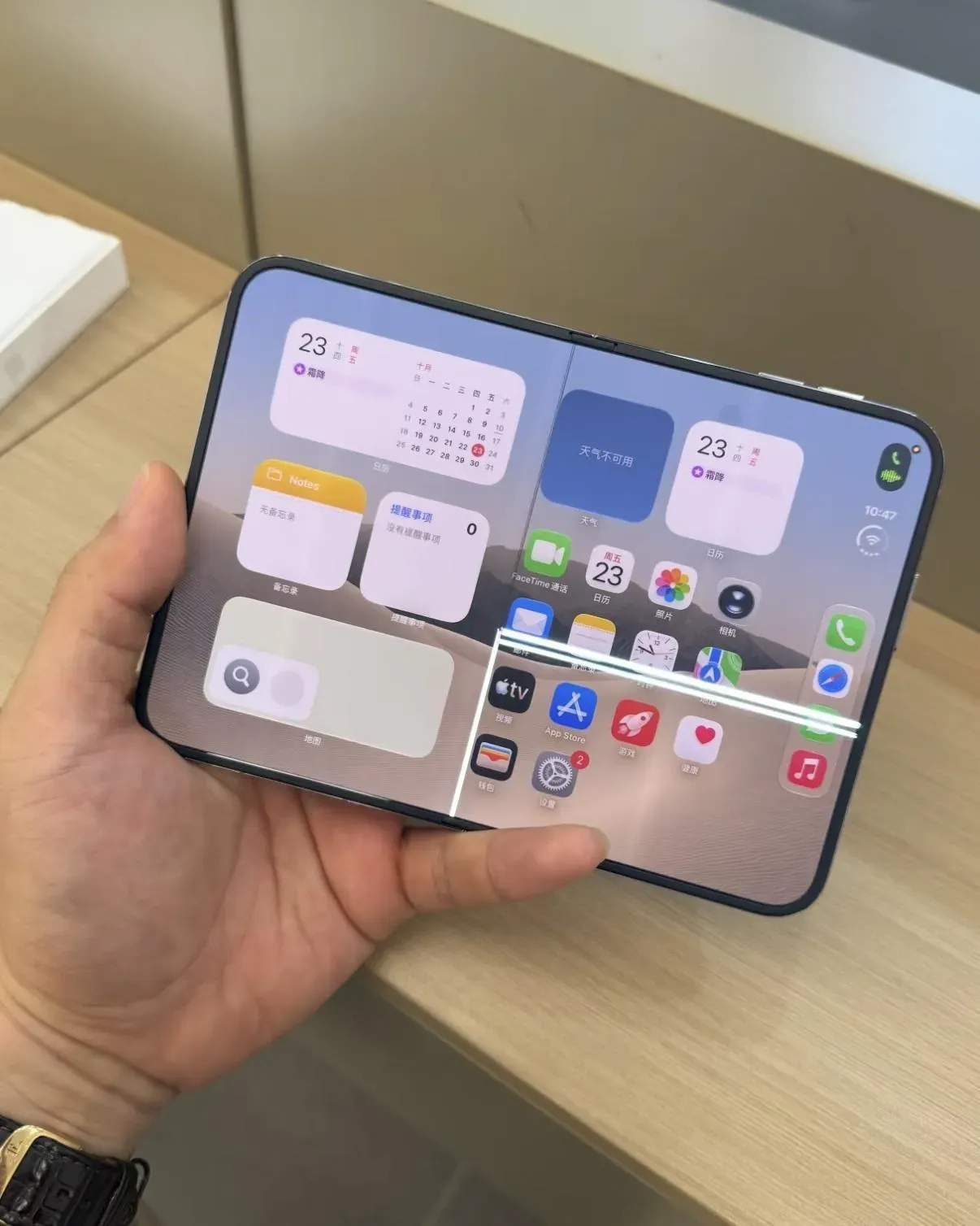
A YouTuber dissected the iPhone Duo and thinks he found crackgate's cause
CuriousHagi's teardown of Apple's foldable reveals a gear-like hinge that may explain why screens crack in the same spot within hours.

Google quietly links your phone number to every Android account on your SIM
Adding a SIM now ties your phone number to all Google accounts - and future accounts inherit it. Here's the security and privacy stakes.