
OVO faces make-whole fight: investor seeks $3.8M fee on a $3.7M repayment
A Toronto lawsuit over a “make-whole fee” turns a $4 million loan dispute into a contract fight with real cash exposure.
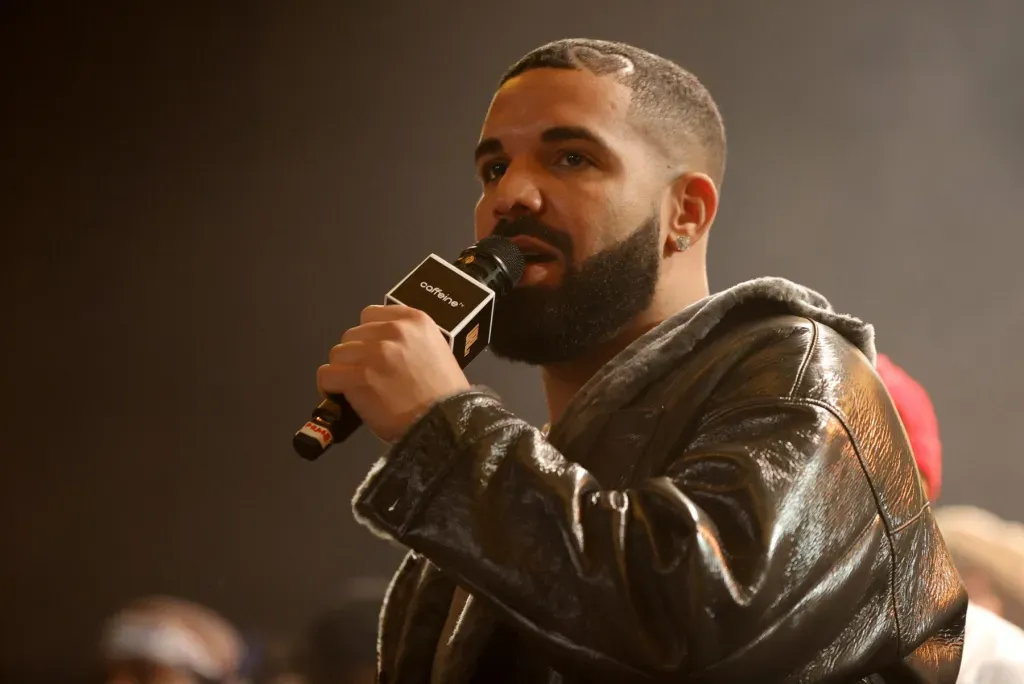
Drake’s Toronto apparel brand October’s Very Own (OVO), founded by Drake, manager Oliver El-Khatib, and producer Noah “40” Shebib, is suing Applied Real Intelligence (A.R.I.) over whether OVO owes a make-whole fee tied to a $4 million loan. The investor says the fee should bring OVO’s total obligation to roughly double the repaid amount, putting brands using private debt structures on notice.
Drake’s apparel company OVO is in a legal showdown with a Florida-based lender that says a $3.7 million repayment is not the finish line. OVO and Applied Real Intelligence (A.R.I.) are fighting in Canada over a disputed “make-whole fee” of 5.3 million Canadian dollars, about $3.8 million, that A.R.I. argues was triggered by default and nonpayment terms tied to convertible notes.
Here is the tight timeline that matters: in summer 2025, A.R.I. lent OVO 5.2 million Canadian dollars (about $3.7 million) through a series of convertible notes transactions during an OVO fundraise. OVO then wired back 3.7 million Canadian dollars this past May after A.R.I. claimed OVO defaulted on the loan due to late interest payments and demanded reimbursement, and after OVO agreed to a repayment arrangement. But OVO says that should be the end of it, including because it argues the contract only requires the make-whole fee if a specific circumstance happens that it says did not occur. On June 2, OVO sued A.R.I. in Toronto court seeking a judge’s declaration that it does not owe the additional make-whole amount, and A.R.I. responded on June 11 with its own lawsuit in Vancouver seeking enforcement of the fee.
If you are an executive or investor, the headline stake is simple: this dispute is about how “default” economics get paid. OVO’s position, as reflected in its lawsuit, is that while A.R.I. alleged defaults and reserved the right to accelerate the notes, A.R.I. did not accelerate before entering into forbearance terms and negotiating the repayment. OVO argues that “Repayment in the context of and pursuant to the forbearance agreement does not trigger an entitlement to a make-whole fee.” In other words, OVO is trying to separate “we were in trouble and paid” from “we triggered the contractual mechanism that costs us more.”
A.R.I. is arguing for the opposite linkage. In its Vancouver lawsuit, the lender is seeking to force OVO to pay the make-whole fee, saying the amount was “designed to provide A.RI. with a minimum negotiated return and to protect A.RI. against the loss of the benefit of its bargain if the notes were repaid or otherwise terminated before maturity.” Translation from contract-speak: if the notes get paid back in a way that changes the lender’s expected return profile, the make-whole fee is the price of early resolution. A.R.I. frames the fee as risk protection, not a penalty, which matters because boards and courts often treat these clauses through the lens of what was actually negotiated.
The dispute also highlights how incentives work when both sides already “work it out” outside court. A.R.I. says it approached the transaction in good faith and viewed OVO as a compelling company with substantial brand value and long-term growth potential. The lender adds that when defaults occurred, it did not immediately pursue litigation and instead worked extensively with OVO through a formal workout process, providing time and flexibility to resolve the situation outside of court. It says OVO acknowledged defaults and the debt in writing under a forbearance agreement, made only a partial payment, and then took the position that millions of dollars remained unpaid despite clear contractual obligations.
This is where private capital markets get quietly messy. Convertible notes and forbearance agreements are designed to manage timing risk: startups and consumer brands can extend runway, lenders can reduce immediate losses, and everyone avoids a hard acceleration event if repayment terms improve. But those agreements typically live or die on drafting details like whether acceleration occurred, what triggers a make-whole, and how forbearance interacts with default. In this case, the legal pivot is whether the forbearance negotiation and repayment prevented a particular contractual circumstance from occurring before the fee could be demanded.
Second-order implications land hard for any board that has used private debt, venture lending, or structured notes. Even when repayment happens, a make-whole clause can turn a “we cured the default” story into a “we paid but still owe” story. That changes how CFOs and general counsels model downside scenarios, not just liquidity risk. It also affects relationship dynamics. A lender that says it gave time and flexibility may still end up in court if the core issue is whether repayment completed the contractual cure or merely satisfied one part of a larger bargain. And for founders and brand companies like OVO, the downside is not only legal cost but also time, distraction, and negotiation leverage, especially when the dispute is happening in multiple Canadian venues, Toronto for OVO’s filing and Vancouver for A.R.I.’s counteraction.
For executives in adjacent sectors, the takeaway is to treat “contract mechanics” as operational risk. This case is nominally about 5.3 million Canadian dollars and whether acceleration occurred prior to forbearance terms. But the real question is whether a repayment agreement ends the lender’s economic claim or whether a make-whole construct survives as a separate obligation. In private financing, that difference can mean the difference between a deal that de-risks cashflow and one that quietly doubles the bill after the check clears.
This story's Key Insights and Take-aways are locked.
Create a free account to unlock Executive Actions for one credit.
Register to UnlockAlways free for Executives Club members. Join the Club
More in Business
Accenture’s $4.18bn play fails as AI fears spark a 20% worst-ever stock plunge
On Thursday, Accenture hit its biggest one-day drop on record after forecasting worries that AI could hollow out consulting.

SpaceX stock jumps 3% after it overtakes Amazon’s market cap
CNBC says SpaceX’s shares surge following its IPO Friday, forcing investors to reprice what “space” and “AI” are worth.

SpaceX’s first options day breaks U.S. records after a $85B IPO win
Big IPO, bigger options debut: what it means for investors, risk teams, and anyone benchmarking market appetite.