
Paris Fashion Week’s ice-pack era tested venues, budgets, and the summer calendar
A historic heatwave left guests sweltering, exposed climate and infrastructure gaps, and forced brands to redesign shows overnight.
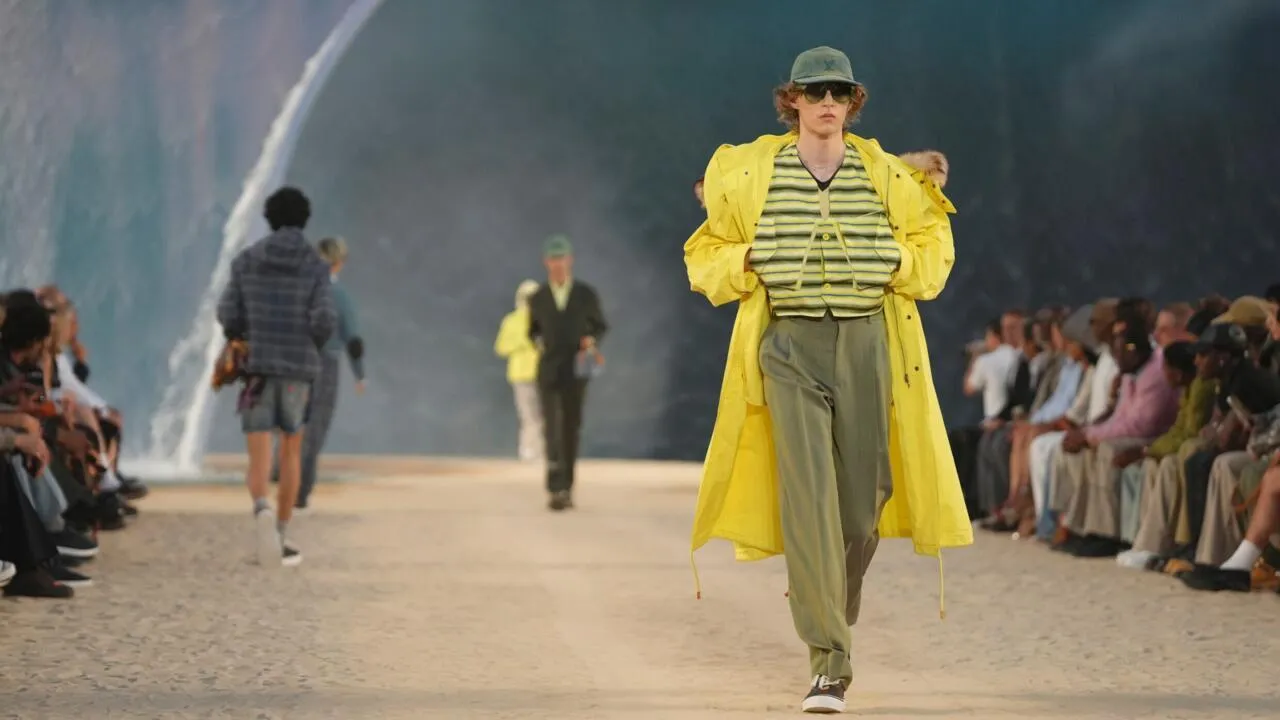
Paris Fashion Week faced a historic heatwave in France, with venues sweltering and guests relying on mist machines, chilled towels, parasols, and ice packs. The operational strain raises board-level questions about whether Paris can keep staging menswear and haute couture in peak summer as heat waves intensify.
Paris Fashion Week’s most coveted accessory this week was not a bag, sneaker, or watch. It was an ice pack.
As a historic heatwave gripped the French capital, fashion houses scrambled to keep guests cool, deploying mist machines, chilled towels, parasols, and iced Evian served on silver platters. But in many places, it still was not enough. Historic venues sweltered, guests were packed in tight spaces where air conditioning was absent or inadequate, and water ran short. At one house, organisers even weighed serving none at all because they reportedly found only plastic bottles to hand out.
That matters far beyond vibes. Paris Fashion Week is one of France’s most visible export machines, running six fashion seasons a year and drawing global luxury houses, celebrities, editors, buyers, and clients. The economics are real: billions flow through an industry where many of the venues are aging buildings originally built for a cooler era and for crowds that did not expect climate-related interruptions. This week turned a logistical headache into a reputational and operational test: how do prestige institutions keep running when the weather no longer fits the building, the calendar, or the crowd?
The heat made the mismatch unavoidable. Paris neared 41C during a heatwave that pushed France into emergency mode. Large parts of the country were under red alert, and hospitals were told to prepare for more heat-related cases. Paris Fashion Week mirrored that pressure in miniature, leaving fashion executives with a harder question: whether Paris should keep staging menswear and haute couture in the height of summer if climate change keeps bringing more frequent and intense heatwaves.
And the trouble was not just in the audience. The deeper contradiction was on the runway. At Paris Fashion Week Men’s, where the industry paid to imagine next summer, the shows barely survived this one. Houses cooled the people watching, then dressed models in unseasonable leather, neoprene, wool, and fur. The calendar debate quickly surfaced. Dior’s Jonathan Anderson blamed fractured delivery cycles and described a business that bears no relation to the season outside. In other words: even if the outside world is cooking, the inside timeline still behaves like it is wearing last year’s planning assumptions.
Organisers say they are adjusting within a government-aligned framework. Pascal Morand, who heads France’s fashion federation, said organisers were following the government’s heat-wave plan. He added that they are conscious of the challenges and attentive to preserving the Fashion Week experience “in this context of structural change.” Practically, that meant earlier shows, more water, more mist, and more shade. But the week also revealed how fragile these mitigations can be when the baseline infrastructure is outdated. Celine built an okoumé-wood pavilion at the Institut de France for a winter show in March, packed guests inside, and still saw some leave because of the temperature. Dior shifted its show to 9am from mid-afternoon, and Rick Owens moved his forward too. Yet even inside Dior’s half-renovated mansion, water was scarce and there was no air conditioning, with some guests looking ready to pass out.
This is not an isolated Paris problem. The strain showed at Milan Fashion Week last week, where giant misting fans ran and black umbrellas went out as guests waited out the midday sun at Thom Browne’s first show. The pattern points to a bigger industry mismatch: many garments are made not for summer in Paris, but for global markets and customers who spend the hottest months in refrigerated air, from the malls of the Gulf to the towers of New York and Shanghai. For those buyers, a wool coat in June is not a contradiction. It is a purchase. That demand logic can clash with local climate reality in the host city, turning each heatwave into an operational stress test for brands, venue operators, and event production teams.
Brands responded with increasingly direct temperature engineering. Louis Vuitton presented wetsuits in neoprene, along with coats in cashmere and fur. At Saint Laurent, Anthony Vaccarello sent models through cooling clouds of vapor from a Fujiko Nakaya fog sculpture, then staged contrast styling, using featherweight, unlined tailoring for heat against leather briefs, choker scarves, and transparent shoes fogging with sweat. Issey Miyake’s IM Men handed out ice packs at the door, then used bamboo-thread fabrics and shadowy prints designed to move with the air rather than against it. Rick Owens made the anxiety literal, sending models through mist with fans whirring inside, and a critic described it as metaphor for climate catastrophe.
Behind all the theatre, air conditioning remains culturally suspect in France. It is blamed for sore throats, dismissed as wasteful, or criticized for its environmental impact, even as heat waves make cooling a public safety question. President Emmanuel Macron’s government leans toward shade, insulation, and trees, while environmentalists warn that mass cooling would deepen emissions driving the heat. Europe is also described as the fastest-warming continent, and old cities have limited cooling capacity for a hotter climate. That puts industries built around fixed calendars and outdoor crowds under pressure to adapt to heat that arrives earlier, lasts longer, and climbs higher.
For executives, the key strategic stake is simple: can Paris keep hosting a summer spectacle where guests need ice packs to reach the finale? The industry has been warned before about heat management, but this week added a new layer. It did not just expose discomfort. It exposed how quickly premium event operations can fail when built environments, event timing, and luxury merchandising decisions are out of sync with extreme weather.
This story's Key Insights and Take-aways are locked.
Create a free account to unlock Executive Actions for one credit.
Register to UnlockAlways free for Executives Club members. Join the Club
More in Entertainment
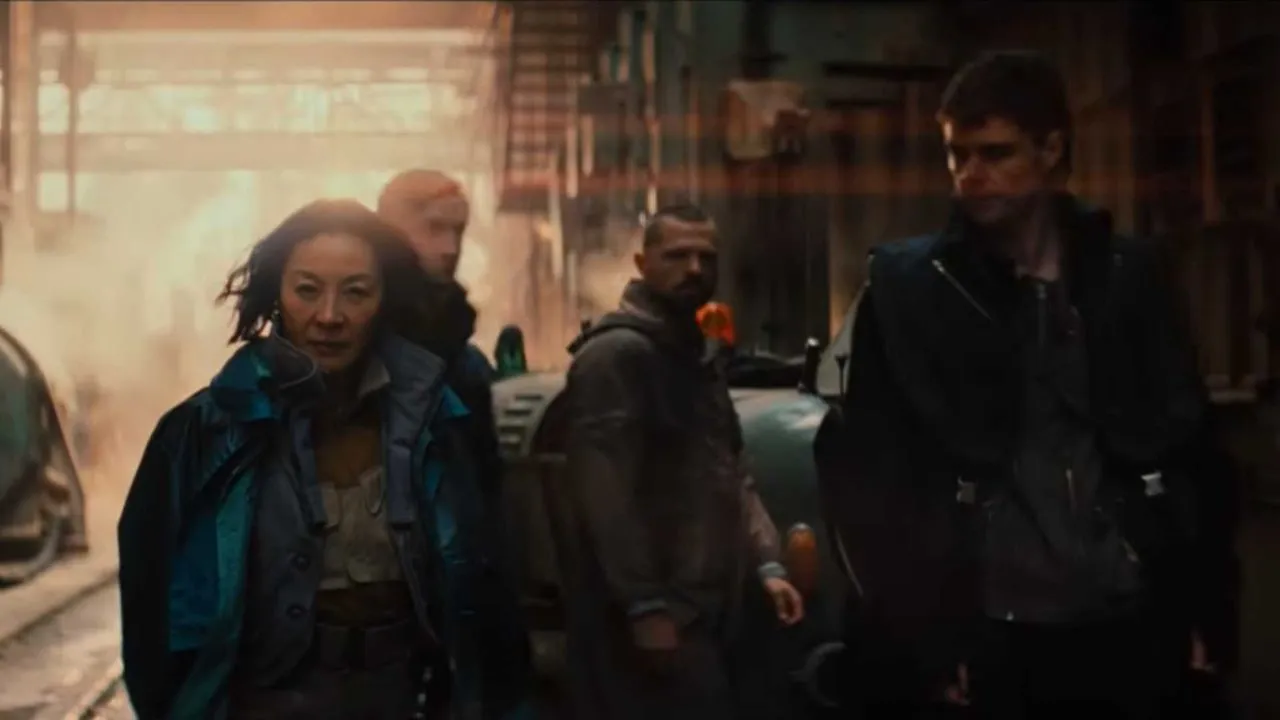
Blade Runner 2099 ties to Ridley and Denis, yet claims a standalone rebirth
Prime Video’s 2026 series anchors to the franchise while inviting new viewers into a “sunshine noir” world.

Matt Damon says Daniels pitched his new sci-fi as Breakfast Club meets Inception
The actor details the exact “Everything Everywhere All at Once” directors pitch for their next film and why it matters.

‘Blade Runner 2099’ drops its first Prime Video trailer at Comic-Con
Prime Video reveals the live-action sequel to Ridley Scott’s future-shock franchise, with big streaming and IP stakes.