

Path of Exile 2 devs nixed a money exploit before it wrecked the economy
Grinding Gear Games moved fast on a broken money-making strategy, trying to stop Path of Exile 2 from repeating the last league's temple-farming chaos.
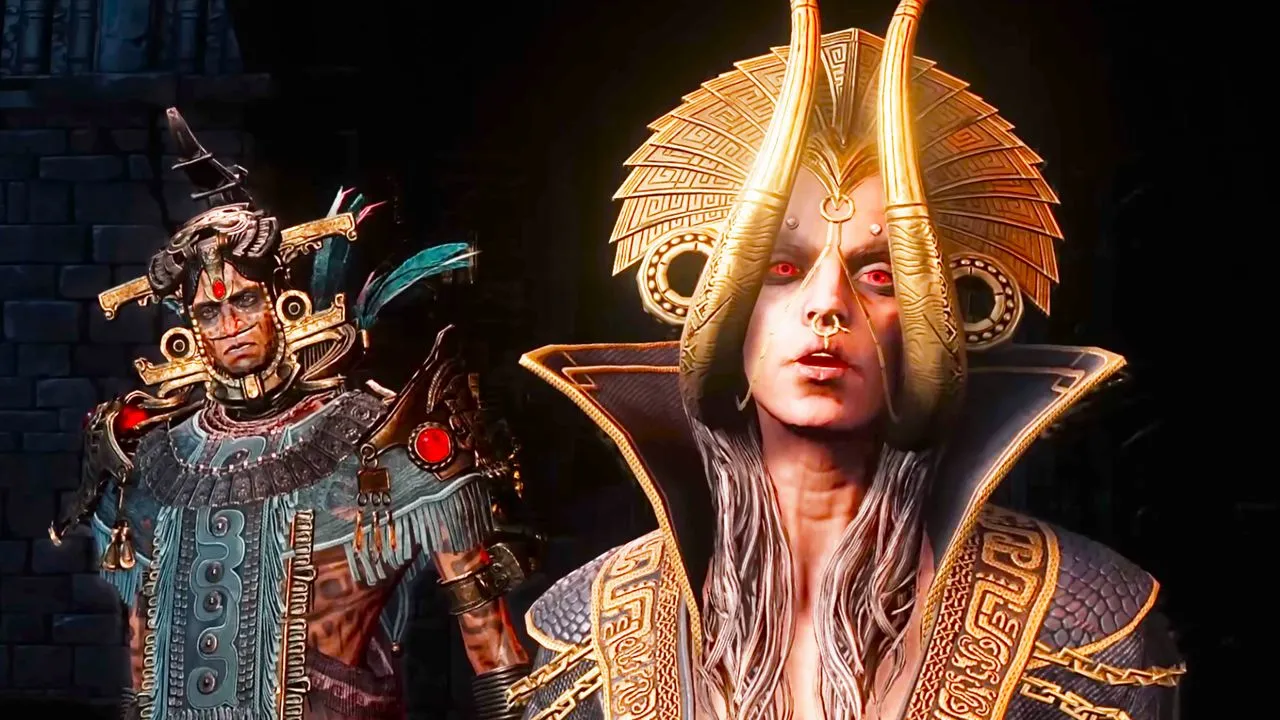
Grinding Gear Games acted quickly in Path of Exile 2 to nerf a broken money-making strategy before it could spiral into an in-game economic disaster, according to GamesRadar+. The move shows how live-service game operators have to police player incentives in real time, because a profitable exploit can distort the whole economy before leadership has time to react.
Grinding Gear Games moved fast because it had already seen this movie once. In Path of Exile 2, the studio nerfed a broken money-making strategy before it could get out of hand, specifically to avoid a repeat of what temple farming did to the last league. That matters because, in a live-service game, an economy is not background scenery. It is part of the product. If one strategy starts printing too much value, it can warp prices, player behavior, and the basic sense of fairness that keeps people engaged.
The source does not spell out the exact numbers behind the exploit, but the message is clear: Grinding Gear Games saw an emerging imbalance and acted before it became a full-scale problem. That is the key management lesson here. The studio was not reacting after the market had already been flooded. It stepped in early, which is the gaming equivalent of a central bank noticing speculative froth and tightening policy before the bubble turns into a mess. In plain English: if players can turn one activity into easy, repeatable profit, everyone else is pushed to chase it, and the game stops being about varied play and starts being about whoever found the best loophole first.
For context, this is a familiar challenge in online games with player-driven economies. When rewards, drop rates, or crafting loops are out of balance, the smartest or most obsessive players can extract value far faster than designers intended. That can be fun for a few hours. Then it becomes the only rational thing to do. Once that happens, items lose meaning, inflation can creep in, and the in-game marketplace can start to feel less like a living system and more like a glitch someone forgot to patch. The GamesRadar+ summary suggests Grinding Gear Games recognized that temple farming had already caused enough pain in the last league to justify a quicker, more aggressive response this time around.
That timing is the interesting part. Live-service businesses, whether they are games, apps, or creator platforms, live and die on how quickly they can detect and correct incentive bugs. The longer a distortion is allowed to run, the more users rearrange their behavior around it. Then the fix itself becomes controversial, because the players who benefited from the exploit often see the correction as a loss of opportunity, even when the broader ecosystem needed the change. In other words, nerfing a broken strategy is never just a balance patch. It is also a message about what kind of economy the studio wants to preserve.
There is also a reputational angle. A game economy that repeatedly breaks can make the developer look reactive, or worse, indifferent. Grinding Gear Games seems to have chosen the opposite posture here, moving quickly in Path of Exile 2 after already learning from the previous league's temple farming experience. That kind of responsiveness can build trust with the larger player base, especially the people who do not want to spend their time competing against a few hyper-efficient farmers or watching prices get mangled by a dominant tactic. For decision-makers, that is the equivalent of protecting the brand moat: fairness is part of the product promise.
The strategic implication for peers is straightforward. If you run a live economy, you are not just designing content, you are governing incentives. Broken strategies will always appear somewhere, because players are excellent at stress-testing systems in ways no internal team can fully anticipate. The real question is whether leadership can spot the distortion early enough to contain it without blowing up confidence in the rules. Grinding Gear Games appears to have done exactly that here, using the memory of temple farming in the last league as a warning sign rather than a cautionary tale repeated twice. For any studio, platform, or marketplace operator, that is the uncomfortable truth: the economy can become the story faster than you think, and once it does, speed is not optional.
This story's Key Insights and Take-aways are locked.
Create a free account to unlock Executive Actions for one credit.
Register to UnlockAlways free for Executives Club members. Join the Club
More in Entertainment

Christopher Nolan’s “The Odyssey” posts his biggest Tuesday haul, surpassing “The Dark Knight’s” record
The film’s Tuesday breakout reframes Nolan’s box-office ceiling and forces competitors to rethink timing, budgets, and release strategy.

Kacey Musgraves cancels Aug. 20, 29, Sept. 2 Middle of Nowhere shows
Ticketmaster emails are telling fans refunds are coming, while the tour still starts Aug. 21 in Chicago.

Billie Joe Armstrong launches Epiphone Les Paul Junior and Marshall 1959BJA signature gear
Two limited releases turn decades of Green Day’s tone into branded hardware, including Marshall’s first artist amp in 14 years.