
Patrick Gibson becomes 007 in 007 First Light, after the game sold 2.7m copies
The Irish actor says he only suspected martinis in the audition sides, then became the first game Bond with voice and likeness.
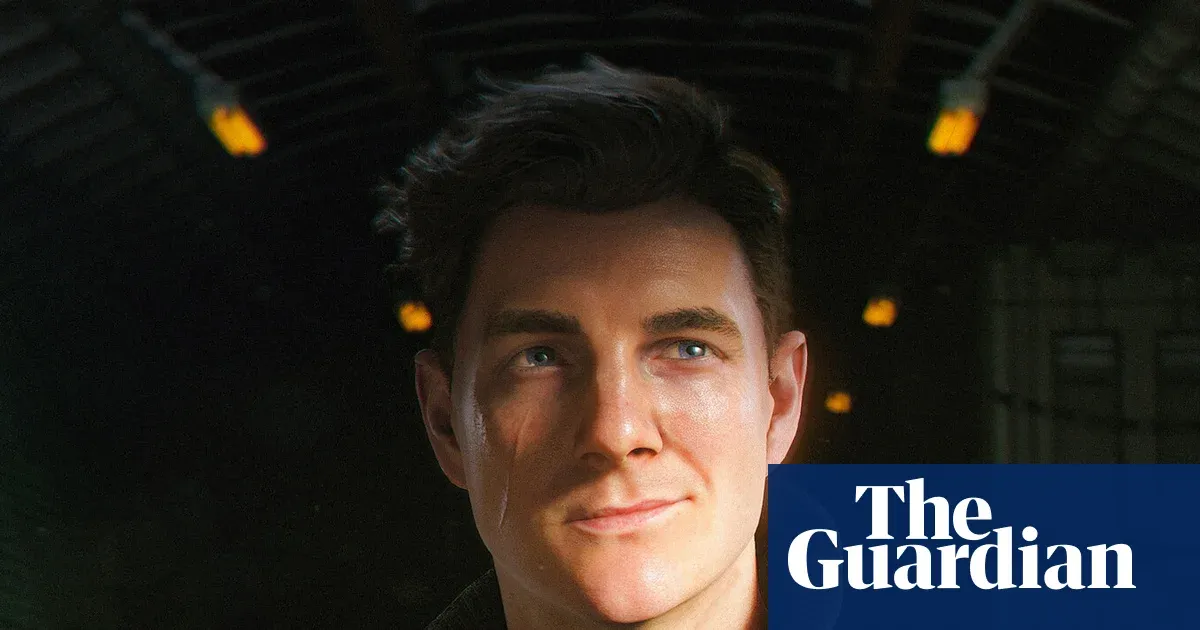
Patrick Gibson stars as the computerised James Bond in 007 First Light, a video game that has sold 2.7m copies since launch two weeks ago. For decision-makers, the move signals how tightly studios, brands, and Hollywood are converging on the next superspy franchise.
Hollywood keeps auditioning for the next iteration of James Bond, but the surprise answer might already be on your console: Patrick Gibson. He is the star of 007 First Light, the video game that has sold 2.7m copies since it was released two weeks ago. Gibson plays a computerised Bond and is the first video game actor to lend both his voice and likeness to the role, which is exactly the kind of authenticity Hollywood studios chase when they try to “modernize” a legacy character.
The part that makes this matter beyond fan chatter is how the industry got here. With endorsement from both Amazon MGM and previous brand guardians Eon, there is an argument that Gibson is the seventh official Bond, and also the second Irish one. And even Gibson did not know that when he submitted a self-tape to Danish developers IO Interactive. In the story, he describes noticing “talk of martinis in the audition sides,” saying it gave him an inkling, but at that point he “didn’t believe there was any way it could be that.” That detail captures the shift underway: the role is still contested, but the center of gravity may be moving.
To understand why executives should care, zoom out to what “James Bond” means as a business. The character is a global brand with decades of cultural infrastructure. In film, Bond casting turns into a constant market event because every actor becomes a proxy for the franchise’s next cycle. The Guardian notes that each week brings a “din of audition speculation” so loud it likely exhausts the actors at the center of it. Video games, meanwhile, have typically struggled to get the same level of character prestige, in part because performance capture, narrative continuity, and brand alignment have not always been treated with Hollywood-level seriousness.
007 First Light changes that equation in one measurable way: sales momentum. Selling 2.7m copies within two weeks is not just a gamer headline, it is a signal that audiences will show up for a Bond that feels authored, not approximated. When a game leans into a single, recognizable performer and ties it to institutional brand endorsement, it reduces friction. Players know what the name means, and they experience a consistent “Bond” identity across voice and likeness, not just animation and casting stand-ins.
There is also a strategic layer involving who holds the keys to the franchise. The story explicitly links Amazon MGM and Eon, calling them “previous brand guardians,” to the project’s endorsement. That matters because IP owners and brand guardians are increasingly gatekeepers for how far character licensing can go. When those parties back a gaming adaptation, it can change internal board-level decision-making at other studios. It also raises the bar for what “official” means in games. If a major brand ecosystem effectively vouches for an actor-role performance, the credibility gap that often separates film properties from game properties narrows.
And then there is the talent angle, which is quietly the most consequential. Gibson is described as “the first video game actor to lend both his voice and likeness to the role.” That phrasing is doing a lot of work. Voice and likeness rights sit at the intersection of creative authenticity and legal complexity. They also affect union-adjacent concerns, production budgets, and long-term reusability of assets. Even if the article does not spell out the contract mechanics, the strategic implication is clear: once studios and brand owners invest in that kind of performance, the business case starts to resemble film. It becomes harder to treat games as disposable knockoffs.
Finally, the Bond history reference in the piece, framed as “the history of Bond in video games, from the good to the bad,” is a reminder that this is not a blank slate. Consumers have lived through iterations of Bond games that range from compelling to disappointing. For executives, that makes current performance even more meaningful. When a franchise has a mixed record in games, audiences reward the projects that feel like they finally respect the IP. The sales figure does the talking, while Gibson’s pathway to the role highlights how international development teams like IO Interactive now operate with audition-grade secrecy and brand alignment.
So what should decision-makers take from this? The key point is not that another Bond actor appeared. It is that the franchise’s legitimacy loop is tightening around gaming. Gibson’s story shows how a self-tape audition, an institutional endorsement stack, and a measurable commercial debut can turn a game performance into a cultural appointment. If you are a studio executive, an investor, or an operator building for IP-driven growth, 007 First Light is a live case study: the “superspy” battle is not confined to film studios anymore, and the winners may already be getting their lines, not their press tours.
This story's Key Insights and Take-aways are locked.
Create a free account to unlock Executive Actions for one credit.
Register to UnlockAlways free for Executives Club members. Join the Club
More in Entertainment

Christopher Nolan’s “The Odyssey” posts his biggest Tuesday haul, surpassing “The Dark Knight’s” record
The film’s Tuesday breakout reframes Nolan’s box-office ceiling and forces competitors to rethink timing, budgets, and release strategy.

Kacey Musgraves cancels Aug. 20, 29, Sept. 2 Middle of Nowhere shows
Ticketmaster emails are telling fans refunds are coming, while the tour still starts Aug. 21 in Chicago.

Billie Joe Armstrong launches Epiphone Les Paul Junior and Marshall 1959BJA signature gear
Two limited releases turn decades of Green Day’s tone into branded hardware, including Marshall’s first artist amp in 14 years.