
Peacock bundles Outlander and Power at $11.99 per month for select subscribers
A new Peacock deal slices the effective price of two hit franchises and raises the stakes for streaming bundling strategy.
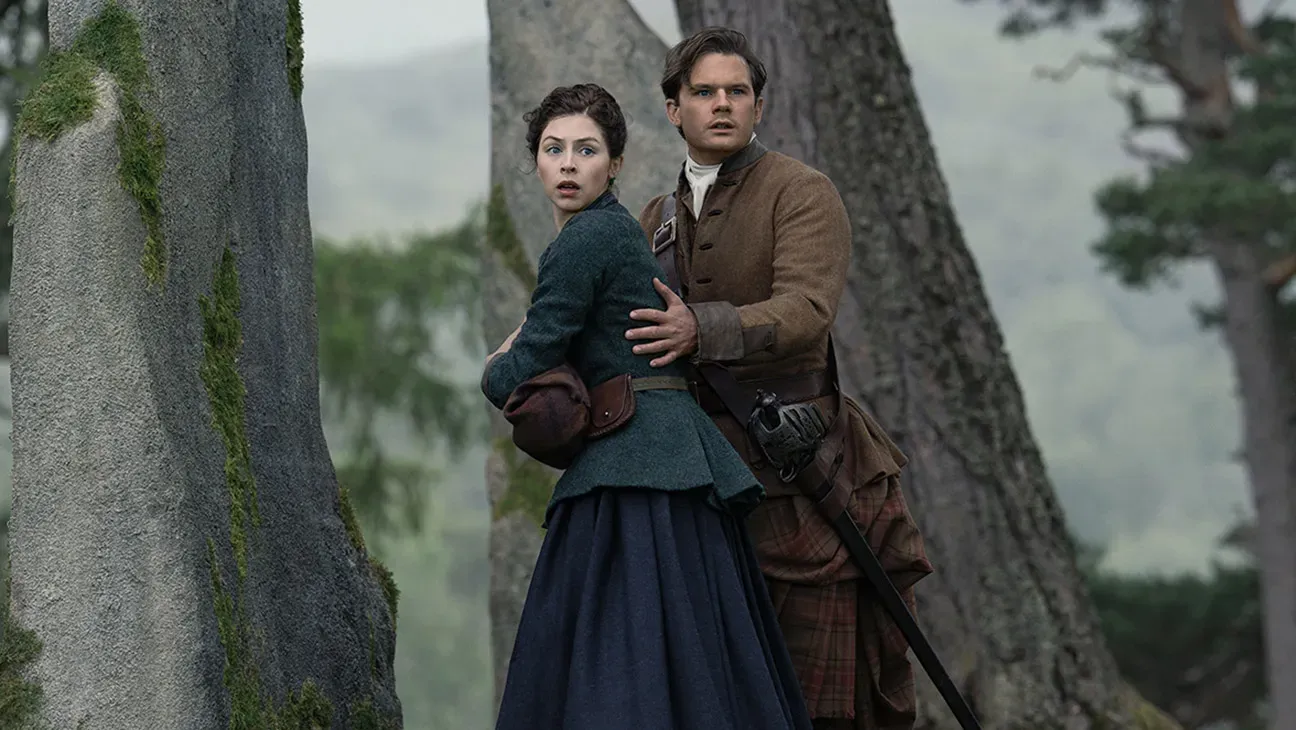
Peacock is launching a streaming bundle that gives select subscribers access to the Outlander and Power franchises for $11.99 per month. The deal matters for decision-makers because it signals aggressive price packaging that can shift subscriber acquisition and retention math.
Select Peacock subscribers can get the Outlander and Power franchises’ service for $11.99 per month. That is the headline figure that matters: $11.99 is a clear, consumer-friendly price point, and it is also a business lever. By bundling two recognizable franchise brands into one monthly offer, Peacock is effectively lowering the “try both” barrier for viewers who might otherwise pick only one.
The move is simple on the surface, but it has real implications for how streaming companies compete. Peacock is not just selling a library. It is selling a package built around two franchises people already understand as categories: Outlander for premium drama and Power for crime-and-characters gravity. For subscribers, the immediate value is a single subscription price tied to franchises they can discuss with friends. For Peacock, the bet is that bundling can concentrate demand, reduce churn pressure, and improve the odds that a household keeps paying because it has two “reasons to stay” under one bill.
This is also the kind of product decision that shows up in the numbers board members actually care about: acquisition costs, churn rates, and average revenue per user. When a streaming service offers a bundle, it typically tries to solve multiple problems at once. First, it gives sales and marketing teams a cleaner pitch than “watch our content.” Second, it can help tune churn by pairing subscriptions with multiple content hooks. Third, it pressures competitors, because anyone selling competing standalone services has to think about what happens when consumers can combine value for less money.
There is a broader industry reason bundling is getting louder. Streaming has matured into a market where differentiation is increasingly about perceived value rather than raw availability. Content catalogs exist everywhere now. Rights deals are expensive and often time-bound. So packaging becomes the battleground, not just the library. In this context, a $11.99 bundle is not a random promo; it is a signal that Peacock is willing to trade margin for subscriber stickiness or for better funnel conversion, at least for select users.
The word “select” matters as much as the price. Select Peacock subscribers suggests the offer is likely targeted, which is common in streaming when companies are trying to avoid over-anchoring their brand on a permanent discount. Targeting can mean offering deals to cohorts with higher churn risk, specific viewing behavior, or households likely to respond. It can also mean testing how sensitive different segments are to price and bundling. From an operator perspective, targeted offers are a way to learn without fully resetting expectations for the entire base.
It is also worth noticing that The Hollywood Reporter framed this as a “Peacock, Starz” launch, which implies the bundle spans services. That matters because streaming is not only a consumer transaction, it is a rights and distribution negotiation. Bundles require coordination across companies that may otherwise compete for the same viewer. When those relationships move, it can shift leverage in future deals, because platforms learn how much value partners can bundle and still make business sense.
For executives at other streaming services, this creates a familiar strategic question: do you match the bundle economics, counterprogram with different bundles, or double down on standalone differentiation? The uncomfortable part is that once consumers get used to bundling, “good enough value” can become the baseline. A viewer who can pay $11.99 for two franchise universes has less tolerance for a higher priced plan that feels like only one thing.
The second-order stakes are about pricing architecture and retention strategy. Bundling can change what internal metrics mean. When you sell a bundle, you are not just measuring “did they subscribe,” you are measuring how content access patterns interact with renewal behavior. If bundles improve retention, they can justify more aggressive packaging across the catalog. If they only move acquisition but do not reduce churn, the company learns the discount was not sticky enough. Either way, the rollout offers a data point that peers will watch.
In the end, this is a straightforward deal with a not-so-straightforward message. Peacock is offering select subscribers access tied to the Outlander and Power franchises for $11.99 per month. That is a price shoppers understand immediately, and it is a strategic template streaming companies increasingly need to take seriously: value is being packaged, not just produced.
This story's Key Insights and Take-aways are locked.
Create a free account to unlock Executive Actions for one credit.
Register to UnlockAlways free for Executives Club members. Join the Club
More in Entertainment

Extraction 3 starts filming on Netflix, with Chris Hemsworth and Idris Elba returning
The hit action franchise is back in production, turning Netflix’s blockbuster sequel plans into a live, measurable pipeline.
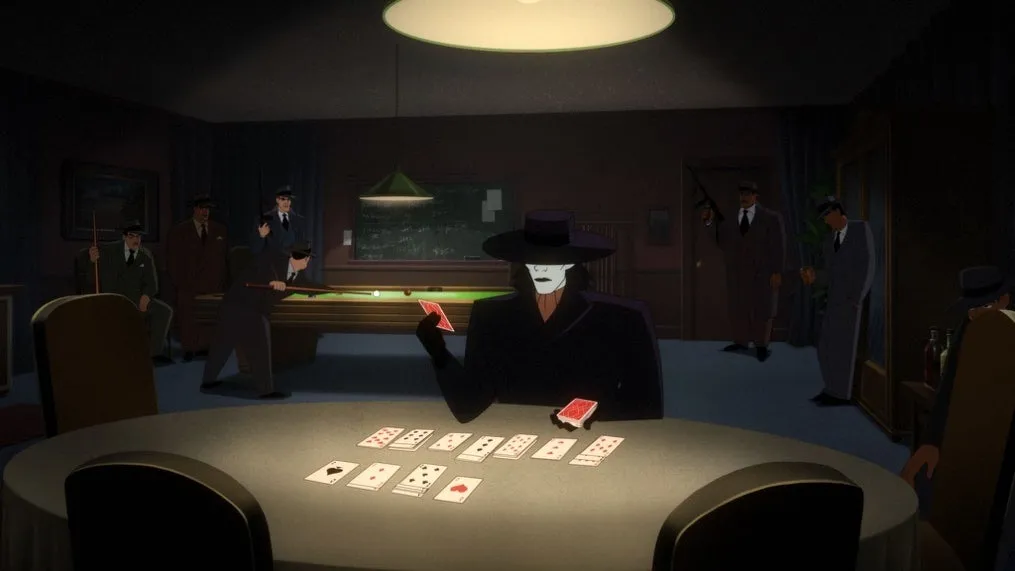
Matthew Needham voices The Joker in Batman: Caped Crusader Season 2
Prime Video confirms the casting from Comic-Con, with Season 2 launching July 31 alongside the new game.
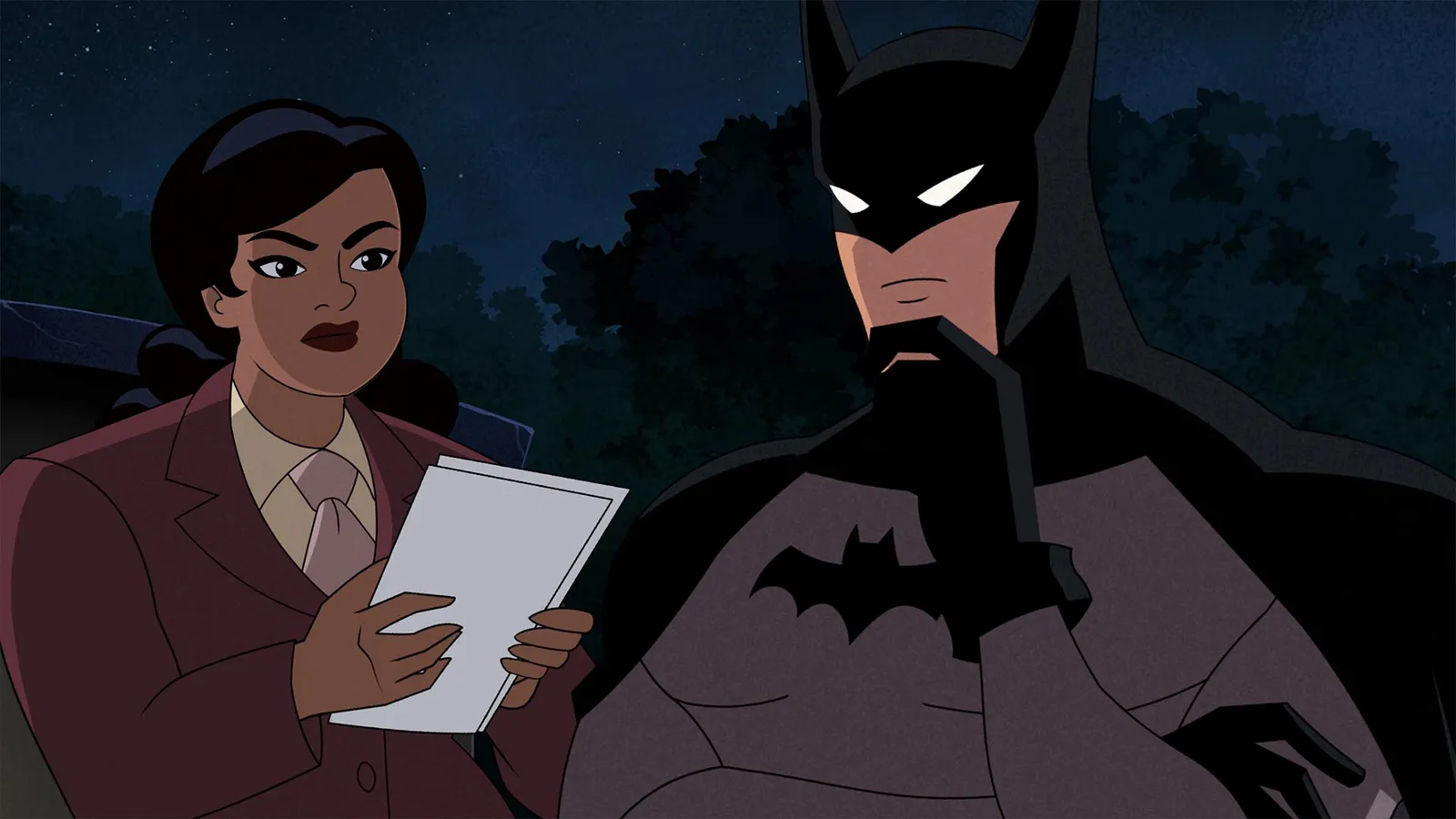
Amazon’s Batman game launches July 31 with Prime, using phones as controllers
Batman: Caped Crusader - Chronicles drops alongside Season 2, and Prime members get it at no extra cost.