

Phoebe Bridgers goes phone-free on a 2026 arena tour after pop-up run
The singer-songwriter’s new format turns a concert logistics story into a privacy, attention, and ticketing playbook for 2026.
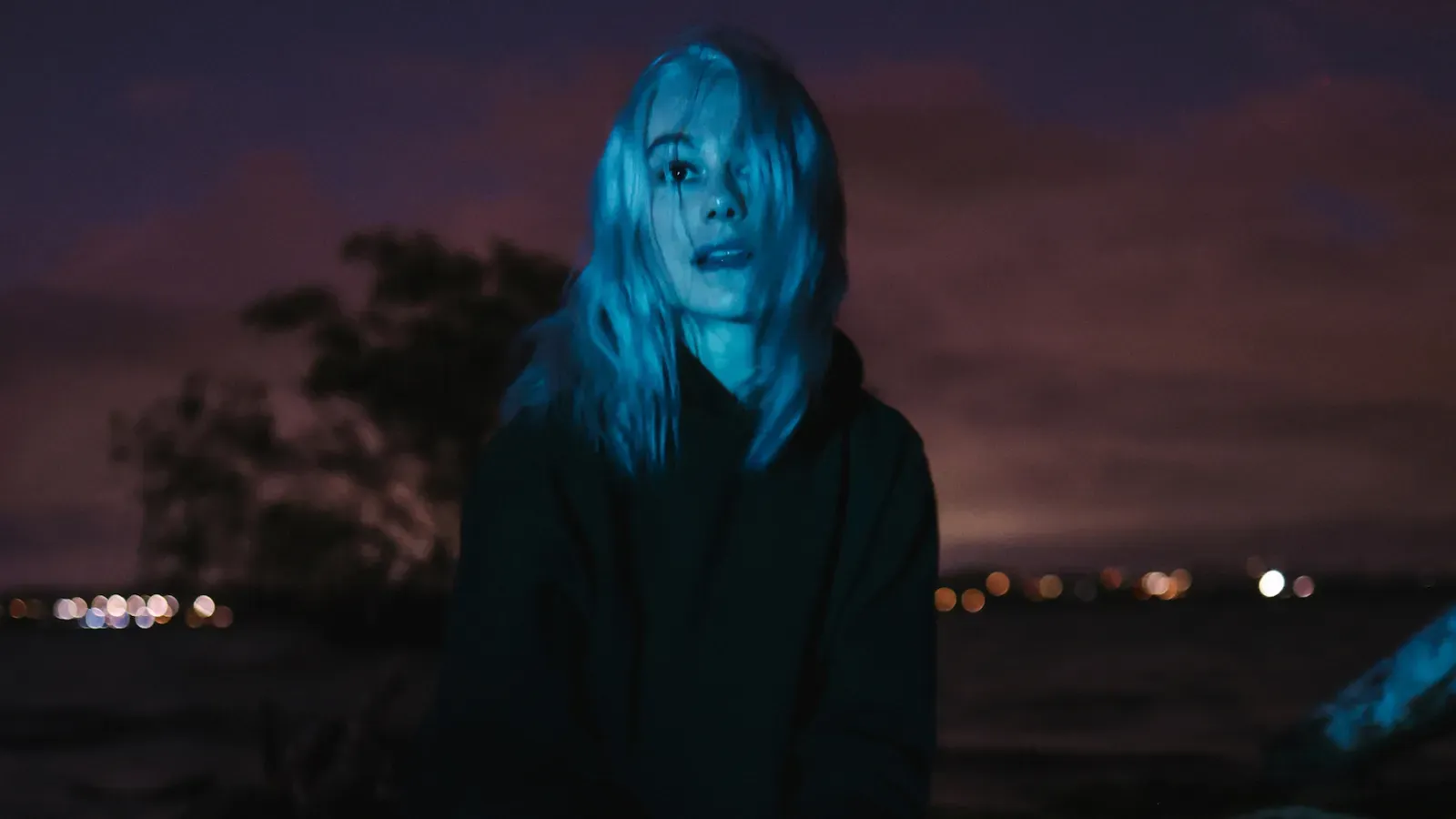
Phoebe Bridgers, after performing intimate pop-up shows including a set at Madison Square Garden, is announcing her first solo tour in three years this fall. The announced Phone-Free 2026 arena tour shifts the live experience away from screens, with real downstream implications for operators and brands.
Phoebe Bridgers is steering her next era toward a single, very specific constraint: she’s announcing a phone-free 2026 arena tour. The move lands after a deliberate run of intimate pop-up shows across the country, including one set at Madison Square Garden, and it culminates in her first solo tour in three years this fall. In other words, this is not just “more concerts.” It’s a reset of the rules of how the audience participates.
So what does “phone-free” actually mean in practice? The core promise is that arena nights will be designed to reduce screen time and increase in-room attention. That matters because, even when a show is visually loud, the default behavior in 2026 is still to document first and feel second. Bridgers is explicitly choosing the opposite. After pop-ups trained fans to show up for the moment, not the feed, the 2026 tour is the scaling test: can that human tempo survive when you move from intimate rooms to arenas, with thousands of seats and predictable smartphone reflexes.
From an operator and platform standpoint, the interesting part is how a creative decision becomes an execution challenge. Pop-up shows are relatively easy to make immersive because crowds are smaller, security is tighter, and the “experience gradient” from stage to seats is manageable. Arenas are the opposite. When you add a phone-free policy, you are effectively managing a new kind of guest behavior. That triggers a cascade of second-order questions for venue teams and tour producers: how staff communicate expectations at entry, how enforcement is handled without turning the night into a confrontation, and how the policy is signaled so it does not feel like a surprise at the door. You can think of it like any rule that affects customer flow, except the product is attention.
There is also a privacy angle hiding in plain sight. Smartphone recordings are not just about fans posting clips. They are, by default, capture devices pointed at performers, other attendees, and the venue environment. Policies that reduce recording can change the risk profile for everyone involved, from artist teams to venue counsel. While the source does not spell out legal details, the direction is clear: phone-free is a demand to reduce on-site capture. That could lower friction around consent, later disputes, and unauthorized distribution, which in turn affects how tour contracts and venue policies get written and enforced.
And then there’s the business model logic. Bridgers is returning to solo touring after three years, and she is doing it with a format shift that differentiates her from a market where “content-first” behavior is effectively standard. That differentiation can be valuable in a crowded attention economy. For ticketing ecosystems, partnerships, and sponsors, the question becomes: if the audience is less likely to record, does the tour need to compensate with other engagement hooks? The answer is usually yes, because you cannot replace organic social snippets with nothing. But you can replace them with better in-room moments, tighter production cues, and experiences designed to be remembered rather than replayed.
Second-order implications for peers are real. Artists with high fan engagement often walk a line between allowing recording and protecting the integrity of the live moment. Bridgers is choosing a stronger stance, and the timing suggests confidence. She has already tested fan appetite in intimate pop-up settings across the country, including Madison Square Garden, which is one of the biggest stages in the U.S. When you scale up from there, you are implicitly betting that the audience will trade immediate recording for the feeling of being present.
For executive teams in venues, management, and live platforms, the stakes are straightforward: if this works, phone-free is not a one-off creative whim. It becomes a model for how to redesign the live customer journey in a screen-saturated world. If it fails, it becomes a cautionary tale about guest pushback and operational friction. But with Bridgers moving from pop-ups to a phone-free arena tour announced for 2026, and her first solo tour in three years launching this fall, she is testing a new balance between privacy, participation, and performance at the exact scale where the industry typically defaults to “whatever guests do.”
This story's Key Insights and Take-aways are locked.
Create a free account to unlock Executive Actions for one credit.
Register to UnlockAlways free for Executives Club members. Join the Club
More in Entertainment

Christopher Nolan’s “The Odyssey” posts his biggest Tuesday haul, surpassing “The Dark Knight’s” record
The film’s Tuesday breakout reframes Nolan’s box-office ceiling and forces competitors to rethink timing, budgets, and release strategy.

Kacey Musgraves cancels Aug. 20, 29, Sept. 2 Middle of Nowhere shows
Ticketmaster emails are telling fans refunds are coming, while the tour still starts Aug. 21 in Chicago.

Billie Joe Armstrong launches Epiphone Les Paul Junior and Marshall 1959BJA signature gear
Two limited releases turn decades of Green Day’s tone into branded hardware, including Marshall’s first artist amp in 14 years.