
Planned Parenthood restarts Medicaid billing Sunday, reviving breast cancer and STD screenings
Federal defunding shut clinics down for most of a year. Now some Medicaid services resume, but not all closures reverse.
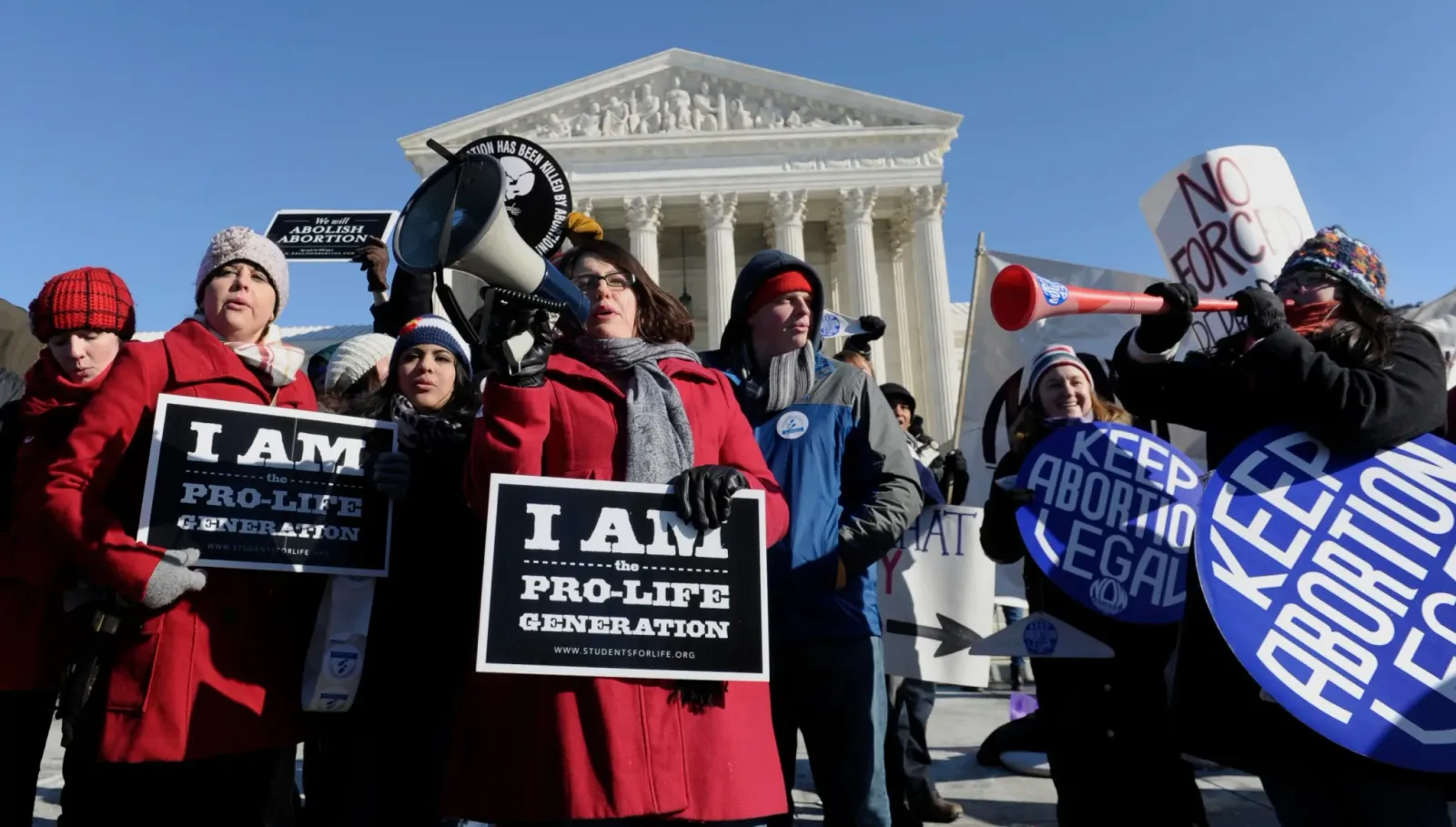
Planned Parenthood and two smaller nonprofit family planning providers resumed Medicaid billing for non-abortion services allowed to resume Sunday after a Trump-era defunding mandate. For decision-makers, the immediate operational relief is real, but the longer fight over federal abortion policy is still actively shaping access.
Planned Parenthood is restarting Medicaid billing for services other than abortion after a Trump defunding provision cut reimbursement for most of a year, and the change is explicitly tied to care like breast cancer exams and sexually transmitted infection screenings. Billing was allowed to resume Sunday, after the defunding was mandated in President Donald Trump's big tax and policy law last year.
That matters because the cut did not just hit paperwork. Planned Parenthood says its affiliates closed nearly 30 of its roughly 600 clinics over the past year, and during that period affiliates dispensed about 25% fewer packs of birth control pills and conducted about 20% fewer breast cancer exams than the previous year. The organization also warned that many patients, especially where healthcare access is already difficult, may have gone without care at all because clinics were shut and services were reduced.
To understand why a billing restart can have outsized downstream effects, you have to remember how Medicaid reimbursement turns into real-world staffing and clinic operations. When federal reimbursement is cut, providers can struggle financially, then do the hard math: reduce services, pause intake, or close clinics. Planned Parenthood describes that dynamic as part of a broader squeeze that started after the 2022 Supreme Court decision that overturned Roe v. Wade and allowed state abortion bans to be enforced. Clinics have closed in states with abortion bans and restrictions as well as those without. In other words, this is not a single-issue shock. It is a compounding one.
The restored funding does not end the political conflict over federal abortion policy, and it does not automatically bring every service back. Planned Parenthood Action Fund spokesperson Angela Vasquez-Giroux said the cuts led to limited abortion access in some places, but the billing restart focuses on “services other than abortion.” The result is a patchwork recovery: some expanded hours and telehealth options are already being announced, while other core operations remain shut.
Look at how quickly institutions can lose capacity, even if reimbursement returns. Planned Parenthood's Arizona affiliate said it has already announced expanded hours and more telehealth options linked to the ability to bill Medicaid again. Meanwhile, Planned Parenthood of Wisconsin halted abortions for about a month and then dropped its status as an “essential community provider” so it could resume seeking reimbursement. The Arizona affiliate paused offering many services to patients covered by Medicaid. Those moves underline the operational choreography providers sometimes have to perform when a reimbursement pathway changes.
Two other nonprofit family planning organizations were also impacted because they met the law's criteria. They are not replicas of Planned Parenthood, and their experiences have differed. Maine Family Planning closed three primary care clinics that served about 1,000 patients in the largely rural state. Evelyn Kieltyka, a senior vice president of program services, said Monday that even with help, their former patients had to wait an average of four to six months to be established with new providers. She also said the number of abortions the group provided held steady. At Health Imperatives in Massachusetts, patients may not have noticed the change because no services were dropped, since state government funded Medicaid reimbursements that the federal government stopped, something Planned Parenthood says happened in some form in 14 states. On top of that, the clinic system received a grant from Melinda Gates's foundation, which likely helped buffer disruption.
Even with Sunday's billing permission, some organizations are not planning to reverse closures. Kieltyka said Maine Family Planning isn't planning to bring back its primary care practices again. Her rationale is blunt: “When you close something down and you lose positions,” she said, “it’s very difficult to bring that back and build it back up again.” And Michelle Quesada, vice president of communications, brand and marketing for the Planned Parenthood affiliate in Florida, said a closed clinic in Lakeland isn't expected to reopen. Part of the concern is uncertainty: she said Congress or the Trump administration could cut Medicaid reimbursements again. “There’s no telling with this uncertainty,” she said. “It’s like a yo-yo effect.”
This is the second-order risk that matters to executives, boards, and investors across healthcare. A temporary fix does not always translate into restored capacity. If funding swings back and forth, staffing becomes a fragile asset, and long-term planning turns into contingency planning. Abortion opponents are also already pushing Congress to adopt another defunding policy. Kelsey Pritchard, a spokesperson for Susan B. Anthony Pro-Life America, said Monday, “They've defunded Big Abortion before,” and “they should do everything in their power to do it again.” Planned Parenthood counters that most general election voters do not want it defunded, while Pritchard said the Republican base does. Even without taking sides, decision-makers should notice what the conflict does to operational stability.
If you run a clinic network, health nonprofit, or any organization dependent on government reimbursements, this story is a reminder that “billing allowed to resume” is not the same thing as “care fully restored.” For providers that kept operating through the disruption, the billing restart can reduce financial stress and let them expand hours and telehealth. For providers that closed, the damage can linger for months because patients need to be re-established with new providers and positions may be gone for good. And for anyone watching federal policy risk, the message is clear: the yo-yo is the policy, not an accident.
This story's Key Insights and Take-aways are locked.
Create a free account to unlock Executive Actions for one credit.
Register to UnlockAlways free for Executives Club members. Join the Club
More in Politics

Glacial collapse, not rain, killed 180 in Nepal's Himalayan flood
The Himalaya's extreme geography hid the true cause of Nepal's catastrophic flood, a glacial collapse that turned a geological battleground into a mass-casualty zone.

Iran’s Esmail Baghaei says Oman talks start shipping via Hormuz, not US talks yet
Temporary route plans with Oman aim to restart commerce while Tehran says Washington dialogue is not on the table.

Standards watchdog opens probe into Reform UK deputy leader Richard Tice over interests
The parliamentary standards commissioner says it began an investigation on 28 July into a possible undeclared interest.