
PlayStation pulls purchased Studio Canal movies from libraries starting September 1 over licensing
Sony tells players that previously bought films will disappear from user libraries on September 1 due to licensing arrangements.

Sony PlayStation has informed players that previously purchased Studio Canal movies will be pulled from user libraries starting September 1. For decision-makers, it spotlights how “ownership” claims in digital media can unravel when licensing terms change.
Sony PlayStation has written to players telling them that previously purchased Studio Canal movies will be pulled from their user libraries starting September 1. The reason, according to the wording around the notices, is tied to “licensing arrangements,” not a problem with the files or the platform.
In plain terms, this is a buyer experience whiplash event. Players who paid for titles are being notified that access will be removed on a specific date, September 1, even though the content was described as purchased. That combination, purchased but removable, is exactly what makes this story land: it challenges the mental model many consumers use when they think “I bought it, so I keep it.”
The key operational detail here is that the trigger is licensing. Digital storefronts, streaming services, and console media libraries all sit on top of contracts between rights holders and distributors. Those contracts do not last forever. They get renewed, renegotiated, or allowed to lapse. When that happens, the rights holder can stop granting the distributor the ability to provide access, even to people who already paid for the title.
This is not just a consumer optics issue. It is also a governance and risk management issue for the executive teams that own the distribution relationship. If a company’s product marketing implies permanent access, the mismatch between marketing language and licensing reality becomes a reputational liability. The moment players are told purchased content will be pulled, customer trust takes the hit quickly, and once trust erodes, it becomes harder to launch new subscriptions, sell new bundles, or convert casual users.
There is also a regulatory and policy angle that tends to sit in the background until it suddenly becomes loud. Regulators and consumer protection bodies in many places have been grappling with the definition of “digital purchase” for years. Consumers often treat digital transactions as equivalent to ownership. Providers often treat them as access conditioned on rights agreements. That mismatch is where disputes can form. Even when the legal structure is clear under existing contract terms, the communications around these events can still create political pressure, new complaints, or additional regulatory scrutiny.
Second-order implications show up inside the boardroom too. Content is one of the easiest places for “hidden” contract exposure to exist, because the platform can feel like a neutral technology layer even though it is an active distribution partner. When licensing arrangements force a removal, the platform operator still controls the user experience: the library screen, the email notice, and the timing. That means the executive team has to manage the narrative and the remediation plan, even if the root cause lives in a partner agreement.
For finance and strategy leaders, this kind of pullback can ripple into metrics that look unrelated at first glance. Customer lifetime value is shaped by trust. Engagement is shaped by perceived value. Retention can be shaped by whether players believe they are safe from surprises. If players believe purchases are temporary, they may shift behavior toward subscriptions, refunds, or other platforms, and they may be less willing to buy new catalog items. Even if the company expects to continue licensing other content, each removal creates a precedent in the user mind.
For peers across gaming, media, and consumer software, the takeaway is uncomfortable but clear. Digital catalog “purchases” do not automatically behave like physical ownership. Licensing arrangements can override the expectation of permanence, and the company that delivers the experience takes the reputational consequences. The strategic stake is not only keeping content libraries full, but also making sure product promises, contract terms, and customer communications are aligned enough that when the calendar hits September 1, the backlash is smaller and the lesson is actually learned.
This story's Key Insights and Take-aways are locked.
Create a free account to unlock Executive Actions for one credit.
Register to UnlockAlways free for Executives Club members. Join the Club
More in Entertainment

Jon Bon Jovi cut his Madison Square Garden set short Thursday, after battling a sinus infection
A 90-minute show at MSG ended early, with rescheduling promised, as the Forever Tour continues after vocal-cord surgery.
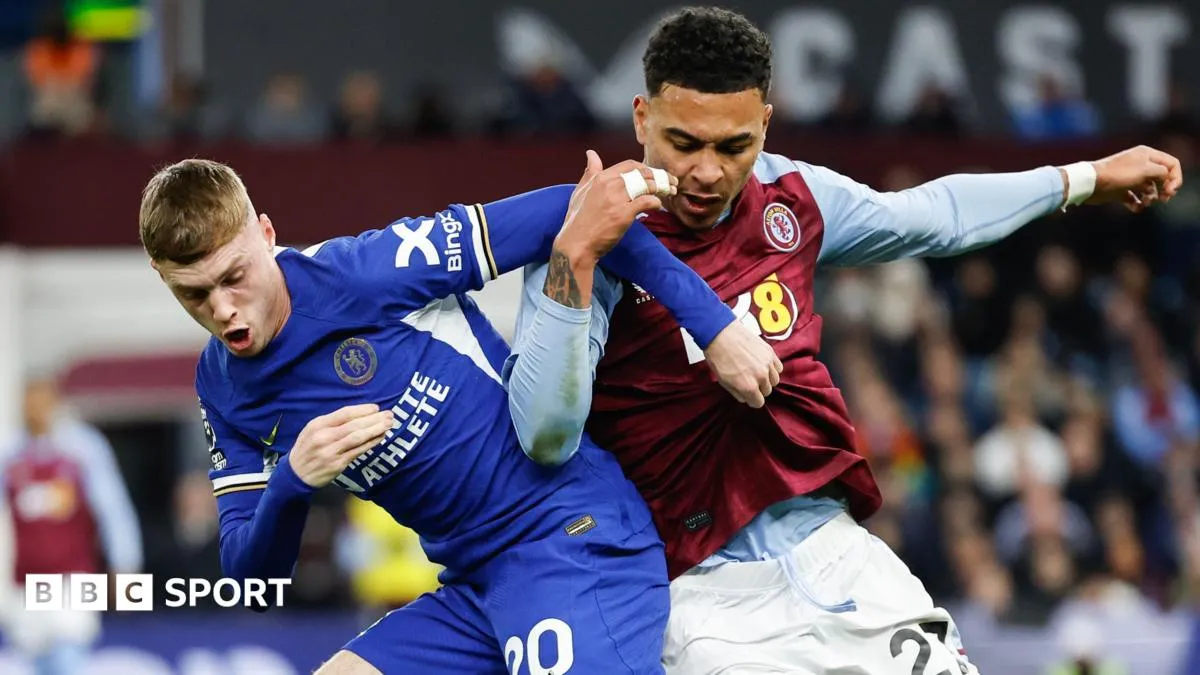
Rogers and Palmer fit Xabi Alonso's Chelsea attack perfectly, and the reasons are specific
Morgan Rogers' skill set complements Cole Palmer in Xabi Alonso's Chelsea, reshaping how they create chances together.

Noah Kahan pretends Congress calls to order diaper-wearing at concerts in DC stop
The stunt mixes absurd “regulatory” theater with real lessons about public trust and fan safety optics.