

Pogacar storms Alpe d'Huez, closing on a record-equal fifth Tour de France
Stage 19 win puts Tadej Pogacar on the verge of equaling the Tour’s fifth-title record, reshaping the season’s competitive math.
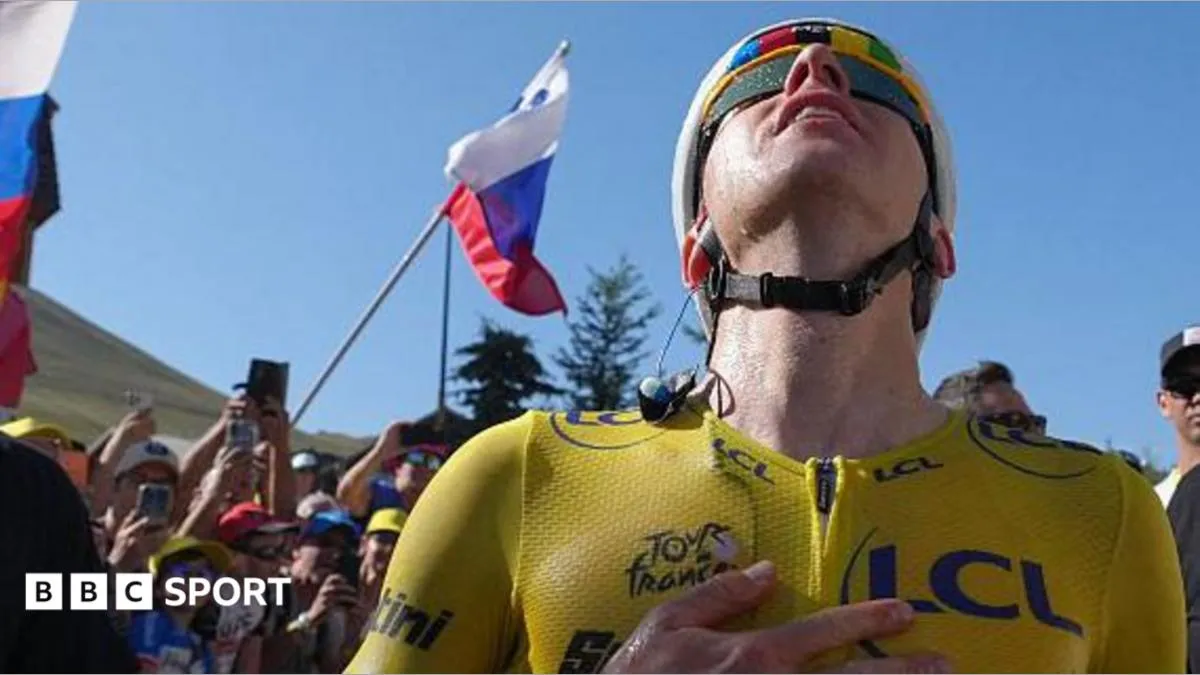
Defending Tour de France champion Tadej Pogacar secured a storming victory on stage 19 to Alpe d'Huez. For decision-makers across sport, media, and sponsorship, the consequence is clear: the calendar now bends around a likely record run and the attention it brings.
Defending Tour de France champion Tadej Pogacar is on the verge of winning a record-equalling fifth Tour de France after taking a storming victory on stage 19 to Alpe d'Huez. That is not just a feel-good headline. In Tour terms, Alpe d'Huez is a pressure cooker climb that tends to separate “strong” from “unstoppable,” and Pogacar is positioning himself squarely in the second category. The result moves him closer to matching the Tour’s elite benchmark of a fifth title, resetting expectations for everyone chasing him, whether that is rivals with their own title ambitions or teams built to survive this exact kind of high-stakes week.
If you are tracking this like a strategist rather than a fan, the key point is the timing. A stage 19 win matters because it comes late enough to compress decision-making and late-race tactics. After Alpe d'Huez, the race’s remaining chapters are about managing gaps, protecting energy, and forcing opponents into choices under stress. Pogacar is essentially saying that, even with the Tour nearing its end, his form is not merely holding, it is attacking. That matters because in multi-week endurance events, momentum is currency. When a rider like Pogacar turns that currency into an on-the-day performance like this, it changes what others can reasonably attempt without risking their entire plan.
Zoom out and you get a wider business story, even if the peloton is the only thing visibly moving. A likely fifth Tour title is the kind of sports achievement that reshapes demand. The Tour de France is a global media magnet, and record-equalling runs tend to pull audiences, brand attention, and sponsorship budgets toward the winner and the team ecosystem around him. For executives in sports marketing and rights-holding, this is a classic second-order effect: what happens on stage changes what people want to watch next, and what brands want to be associated with before the next season’s deals get locked. The closer Pogacar gets to a fifth, the more his name stops being a storyline and starts becoming a platform.
This also affects competitive dynamics in the cycling “market.” Teams design rosters and tactics around profiles that can survive long climbs and defend under repeated attacks. When a dominant contender like Pogacar is close to equaling the Tour’s record fifth-title mark, the incentive for competitors shifts from “maybe we can surprise” to “we must be structured to deny him.” That often means prioritizing domestiques who can protect a team leader, choosing equipment and training that optimize late-race climbing, and tightening in-race communication so opponents cannot regroup when the decisive moments arrive. Stage 19 to Alpe d'Huez being the accelerant is important, because it suggests the decisive punch is already landing, not waiting for a later escape.
Regulatory background matters too, even though the source is strictly sports reporting. The Tour de France operates under cycling’s governing frameworks, including rules aimed at fair competition and rider welfare. In most elite sports, as performance dominance increases, regulators and governing bodies pay even closer attention to the integrity of results and the enforcement of existing rules. That does not mean anything specific is alleged or implied here. It simply means that when a rider approaches historic territory, the sport becomes more visible to scrutiny, and teams and stakeholders know that compliance, transparency, and rule adherence cannot be treated as background tasks.
For decision-makers who fund, broadcast, or build companies around elite sport, the strategic stake is straightforward: attention and credibility compound. A record-equalling fifth Tour title would not just crown a champion. It would increase the likelihood that audiences, sponsors, and media partners re-center their narratives around Pogacar for far more than a single week. That has downstream implications for how teams pitch future partnerships, how event organizers package programming, and how brands decide which athletes to back during contract cycles. It also raises the bar for peers. When someone is near a milestone like this, other leaders cannot hide behind “almost.” They need a plan that accounts for the winner’s capacity to deliver under late-race pressure.
So the immediate takeaway is simple and urgent: stage 19 to Alpe d'Huez is pushing Tadej Pogacar closer to a record-equalling fifth Tour de France. The longer-term implication is that his position forces everyone else to accelerate too. In elite competition, history is not just a record. It is a magnet that pulls resources, narratives, and strategies toward the rider who is most likely to write the next page.
This story's Key Insights and Take-aways are locked.
Create a free account to unlock Executive Actions for one credit.
Register to UnlockAlways free for Executives Club members. Join the Club
More in Entertainment

Ali G's 'stooge' says he was in on joke, outplayed Sacha Baron Cohen
A 54-year-old aspiring actor says he recognized Sacha Baron Cohen mid-shoot, kept his MAGA act up, and let the film-makers think they had fooled him.

Entertainer Russell Brand denies 7 sex charges amid accuser's 'couldn't breathe' claim
The alleged victim's account sharpens the reputational and legal stakes for Brand, his platforms, and any business tied to a public figure under criminal scrutiny.

Russell Brand's accuser 'bewildered and confused' as he denies 7 sex charges
The criminal case against the comedian is a live test of how media companies manage talent risk when serious allegations go public.