
Pokopia’s hidden design idea traces to Diamond and Pearl, resurfacing as Winds & Waves
A never-before-seen Diamond and Pearl documentary reveals 20-year-old Game Freak concepts that may finally ship.

Polygon reports that Pokémon archivists released footage of a never-before-seen documentary about the making of Pokémon Diamond and Pokémon Pearl. The footage shows Game Freak concepts created 20 years ago that did not ship until Pokémon Pokopia, with hints they could return in Pokémon Winds and Waves.
If you think Pokémon design decisions happen in a single development cycle, this story is here to ruin that assumption. Polygon reports that Pokémon archivists have released footage of a never-before-seen documentary about the making of Pokémon Diamond and Pokémon Pearl. It is not just fan service. It is a window into how ideas can incubate for decades, then pop up years later in a different game, under a different product plan.
The headline detail is the timeline itself: the documentary shows Game Freak developing starter work and early Pokémon designs for Diamond and Pearl back in 2007, but also includes “tidbits that shed light on modern Pokémon games” and suggests some concepts were shelved for about 20 years. Polygon also ties the payoff to Pokémon Pokopia, saying the developers came up with ideas 20 years ago that “did not see the light of day until the release of Pokémon Pokopia.” That means what you are seeing in a more recent title may be the delayed release of a much older concept pipeline.
So what does this mean outside the nostalgia zone? For anyone leading product, platform, or creative strategy, the key signal is that Pokémon is not just maintaining a franchise. It is running a long-lived creative asset strategy that behaves like institutional memory. In fast-moving game development, timelines are usually framed in months or at most a couple of years. Here, the source points to a different operating model. Ideas from a 2007 project can remain viable, revisitable, and reusable enough to surface in a later release. When a studio has that capability, it can hedge risk. If a new direction stalls, the backlog can still produce something coherent because it was designed within the same overarching “world rules” from the start.
Polygon also frames the footage as a “treasure trove of trivia” for hardcore fans, but the business implication is broader: the documentary reportedly includes an inside look at how Game Freak develops starters, early Pokémon designs for iconic characters, and additional tidbits that connect to modern games. That matters because starters are not small decisions. They are among the earliest and most visible gameplay and brand touchpoints in any Pokémon title. When you see evidence of long-term planning around starters, you are also seeing evidence of consistent design principles being applied over time, even when the exact content ships later than expected.
Then there is the “why now” question, which the source tees up by connecting the idea to future releases. Polygon says “the idea might reappear when Pokémon Winds and Waves is released next year.” This is not confirmed to be the same concept in full, but the implication is clear: the studio’s backlog of old concepts can become a live ingredient in a current marketing and release strategy. From a decision-maker standpoint, that changes how you think about what counts as future-proofing. It is not only about new IP generation. It is also about preserving creative options so you can reintroduce them when timing, production constraints, or customer reception make them worth shipping.
There is also a platform timing angle lurking in the background. Polygon notes that “we may not see the full version until the Switch 2 Pokémon games.” In platform terms, that means the playable, shippable version of a concept may be gated not by creativity alone, but by the hardware roadmap and the product schedule that platform supports. Executives managing publishing and partnerships often plan around these dependencies. This story underlines how they can interact with creative decisions. An idea might be “ready” in a conceptual sense long before it is “ready” in a technical, packaging, or launch-cycle sense.
Finally, consider second-order implications for executives and boards in the creative and tech-adjacent space. Long incubation cycles are risky if they create dead backlog. But Polygon’s framing suggests these ideas were not dead. They were held, revisited, and eventually integrated into Pokémon Pokopia. That signals a governance process that can evaluate old concepts for relevance and quality across two decades. If you are overseeing a portfolio, you can learn from that discipline: build systems that archive creative work, preserve design intent, and keep “option value” alive until it aligns with a viable shipping moment.
In short, the documentary is a behind-the-scenes proof point that Pokémon development is running longer arcs than most people assume. And if Winds and Waves is the next chapter, decision-makers should treat it as a reminder: creative roadmaps can have a 20-year memory, and the competitive advantage may come from what you saved, not only what you invented.
This story's Key Insights and Take-aways are locked.
Create a free account to unlock Executive Actions for one credit.
Register to UnlockAlways free for Executives Club members. Join the Club
More in Entertainment
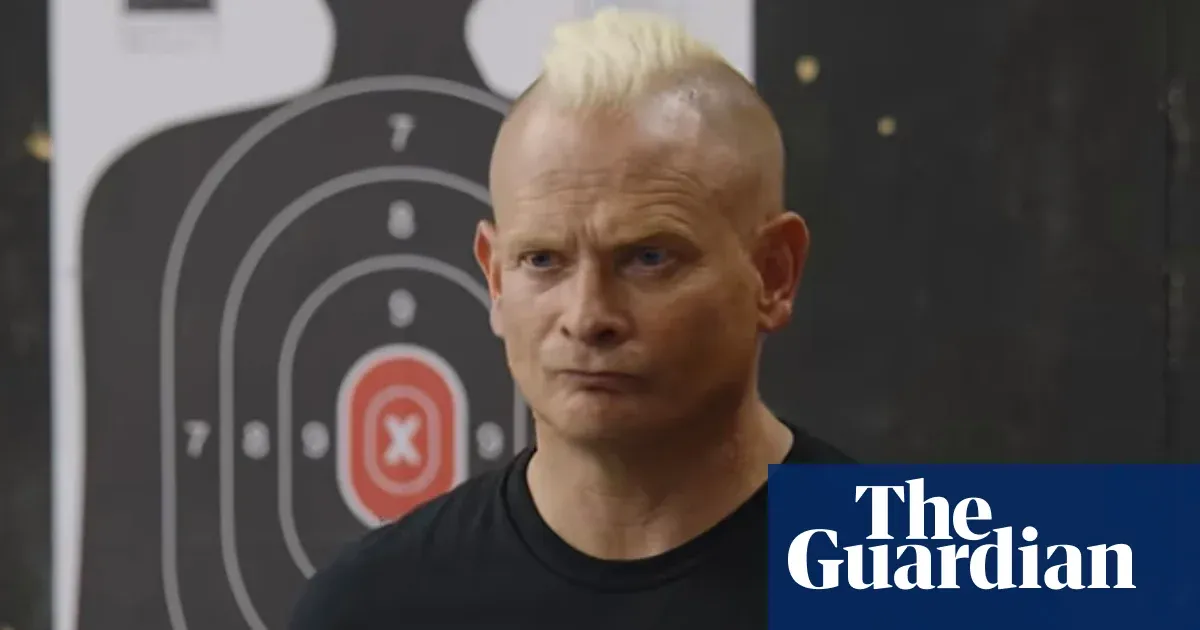
Ali G's 'stooge' says he was in on joke, outplayed Sacha Baron Cohen
A 54-year-old aspiring actor says he recognized Sacha Baron Cohen mid-shoot, kept his MAGA act up, and let the film-makers think they had fooled him.

Entertainer Russell Brand denies 7 sex charges amid accuser's 'couldn't breathe' claim
The alleged victim's account sharpens the reputational and legal stakes for Brand, his platforms, and any business tied to a public figure under criminal scrutiny.

Russell Brand's accuser 'bewildered and confused' as he denies 7 sex charges
The criminal case against the comedian is a live test of how media companies manage talent risk when serious allegations go public.