
Polymarket allegedly staged fake trades; Trump CFTC enforcement still looks unlikely
WSJ claims influencers filmed sham activity. Lawyers explain which regulator could act, and why this administration may not.
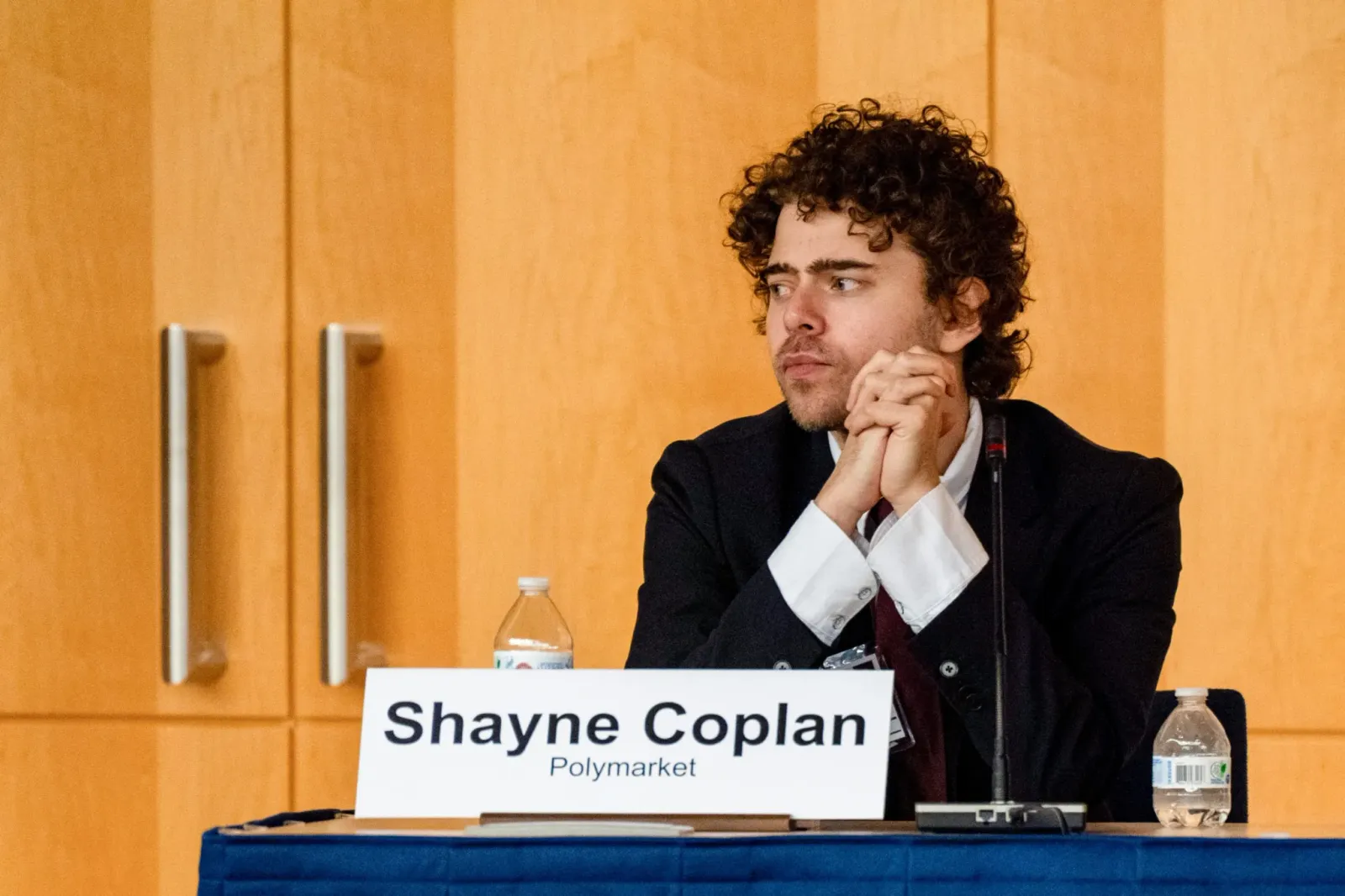
Fortune reports a Wall Street Journal investigation alleges Polymarket paid influencers to film fake trades and fabricate winnings as part of its marketing to attract U.S. users. Attorneys say regulatory consequences are possible, but under the Trump administration investigations look less likely.
Polymarket is facing fresh legal heat after a Wall Street Journal investigation alleged the prediction market paid influencers with American audiences to film fake trades and fabricate winnings. In other words: the bets were the story, and the “results” might have been theater. That is the kind of allegation regulators and private plaintiffs do not ignore, especially when a platform markets itself on trust and transparency.
The stakes are clear for decision-makers watching prediction markets grow fast and monetize attention. Fortune reports the company was banned from the United States since 2022, but in January it won a license from the Commodity Futures Trading Commission (CFTC), the agency that regulates prediction markets. Now, if agencies decide the marketing helped drive U.S. participation without proper guardrails, enforcement could follow. But the lawyers Fortune spoke to largely think action under the Trump administration is unlikely.
So how do the allegations translate into regulatory risk? Steven Lofchie, a partner at Norton Rose Fulbright who specializes in securities and commodities law, framed it as a question of which regulator would have the easier path. If federal investigators prioritize whether Polymarket attracted U.S. customers without proper registration, the CFTC would likely focus on registration and related obligations tied to prediction market operations. If investigators prioritize marketing conduct, the Federal Trade Commission (FTC) would be the likely candidate, since influencer-driven campaigns can raise consumer protection issues when promotional content is misleading.
Lofchie’s core point is about jurisdiction and burden, not about outcomes. He said, “The [FTC], as opposed to the CFTC, might have the easier case against Polymarket.” He also explained how the CFTC could still bring charges, saying, “The CFTC could bring charges about evasion of registration requirements.” The practical takeaway for leaders in this space is that alleged conduct can create parallel risk lines, one technical and registration-focused, the other consumer deception-focused.
Polymarket, for its part, responded with a statement indicating it is preparing to audit its promotional workflow. A spokesperson told Fortune it would review how its marketing content is created and distributed, saying: “We are conducting a comprehensive audit of active promotional content to ensure it complies with our standards, as well as applicable regulatory and legal disclosure requirements.” That matters because in regulatory and litigation environments, “we’ll look at it” is not the same thing as a documented internal controls overhaul. Still, it signals awareness that the issue is not just “what happened in the market,” but “what was shown to users and how it was framed.”
The bigger twist, and the reason Fortune’s lawyers think federal action may cool off, is enforcement posture. Daniel Wallach, a gaming attorney and sports-betting legal expert at Wallach Legal, argued that investigations under the Trump administration are unlikely. He anchored that view in the idea that the CFTC has deprioritized crypto and prediction markets. Fortune reports that, according to the New York Times, under Trump the CFTC shed roughly a quarter of its staff and pushed out career officials who sought to investigate crypto companies and prediction markets.
Wallach also pointed to leadership alignment. Fortune reports that the agency’s lone chairman, Michael Selig, previously represented crypto and prediction market companies as a corporate lawyer and later led the SEC’s crypto task force, and Wallach characterized him as a longtime ally of those industries. In addition, Fortune notes that the Trump family has ties to prediction markets, including that Donald Trump Jr. is a paid advisor to Kalshi and a major investor in Polymarket through the venture capital firm 1789 Capital, where he is a partner. Those details do not prove anything about enforcement decisions, but they help explain why the incentive structure could tilt toward less aggressive scrutiny.
Wallach summarized his skepticism in blunt operational terms, telling Fortune, “The reality is that the CFTC…has moved away from an enforcement priority and is now marching in lockstep with the prediction market exchanges.” He added he is skeptical that there would be real consequences given, as he put it, that the agency has “only one commissioner out of five,” and that it has experienced a 25% reduction in staff over the past year. Again, the key is how institutions behave when priorities shift: even serious allegations can become “wait and see” if the enforcement engine is muted.
If federal enforcement stalls, the likely fallout may shift to private litigation. Wallach told Fortune that the most likely legal fallout would come from private civil lawsuits brought by bettors who lost money after relying on Polymarket’s misleading marketing. That is a second-order consequence worth executives thinking about, because private cases can move quickly once a credible narrative exists, and they can expand beyond the specific “fake trades” claim into broader allegations about disclosure, inducement, and reliance.
For boards and leadership teams across prediction markets, crypto-adjacent trading platforms, and any business that relies on creator marketing to drive user acquisition, this is a stress test of your compliance story. A marketing campaign that looks like “engagement” can become evidence of intent if it allegedly involves staged outcomes and fabricated winnings. Whether the CFTC or FTC takes the lead, the reputational damage and the litigation risk can still land. And for competitors like Kalshi operating in the same fast-growth environment, the real question is not just “Will regulators act?” It is “Do users and plaintiffs now have a roadmap to argue your promotional content created false confidence, even if your core product is technically compliant?”
This story's Key Insights and Take-aways are locked.
Create a free account to unlock Executive Actions for one credit.
Register to UnlockAlways free for Executives Club members. Join the Club
More in Business

SK Hynix jumps 11% after seeking up to $29.4B in Nasdaq listing
The chip giant filed for a Nasdaq listing plan that could raise $29.4 billion, instantly reshaping investor expectations.

Micron revenue hits nearly $42B as AI memory lifts gross margins above 81%
Fiscal Q3 results crush estimates, prove AI memory is rewriting Micron's margins, and change the momentum math for the whole chip stack.

SpaceX sells $25B in debt under two weeks after IPO, despite $90B in orders
The satellite and rocket company’s quick $25 billion borrowing move signals how it plans to finance scale after going public.