

Prime Video drops Carrie teaser at Comic-Con, sets Oct. 7 release
A new trailer leans into modern high school cruelty, while Mike Flanagan hints a “big surprise” for fans.

Prime Video used a Comic-Con panel to announce Carrie will release Oct. 7 and to debut the first teaser trailer. The reveal, paired with Mike Flanagan’s tease of a major “big surprise,” matters for streamers and boards watching how franchise IP is marketed and monetized.
Prime Video just took a very specific swing at one of Hollywood's most reliable fear engines: high school social cruelty. At a Saturday Comic-Con panel, the streamer revealed that Carrie is coming on Oct. 7, and it also released the first teaser trailer. The trailer is built like a stress test for anyone who has ever dreaded a cafeteria moment, showing classmates fainting on the iconic gymnasium floor and escalating into the prom chaos that defines the story.
For decision-makers, the point is simple and immediate: Prime Video is not trying to “soft launch” this one. It is leading with recognizable, high-emotion beats from the Carrie universe, then plugging them into modern anxieties around fitting in. That editorial strategy shows up right away in what the teaser depicts, including the “cruelty” of contemporary high school. And crucially, this is happening at Comic-Con, a venue where fans tend to reward specificity. Vague announcements do not travel. Teasers that clearly signal tone and set pieces do.
Mike Flanagan, a central figure in how horror is packaged for today’s audiences, also appeared to set expectations for what comes next. He teased a “big surprise,” per the Deadline report. That matters because horror franchises live or die on the same contract: the audience wants the familiar dread, but it also needs a reason to believe the new version has a fresh lever. A big surprise can be marketing oxygen, keeping engagement high between now and the Oct. 7 date. It can also keep the campaign from turning into pure brand nostalgia, which is a risk when you are adapting a story people already know.
If you zoom out, this is also a case study in how streamers use tentpole content like a timed release pipeline, not a one-off promo. The October date anchors the calendar, and Comic-Con provides a burst of attention that is hard to replicate with purely online tactics. Think of Comic-Con as a high-intensity distribution channel for cultural credibility. When Prime Video debuts a teaser at a panel, it is borrowing the event’s built-in audience trust. Fans show up already primed to notice details, which is why the trailer’s specific imagery, like the gymnasium floor fainting scene and the prom-related reveal of Carrie White, is the kind of concrete signaling that travels fast.
There is also a strategic sequencing question boards and exec teams always wrestle with: how much do you show before the release? In this teaser, Prime Video is clearly choosing the “show the feared moments” route. Rather than focusing on plot mechanics, the trailer depicts trauma and cruelty, which does two things at once. First, it communicates genre promise instantly. Second, it gives the audience something to discuss. In the streaming ecosystem, conversation can function like a substitute for traditional media spend, because it drives discovery in a crowded catalog. The Oct. 7 release date is the payoff point, and the teaser is designed to create the path.
Now add the adaptation angle. Carrie is culturally recognizable, so the market challenge is not awareness. The challenge is differentiation without losing the core emotional DNA. Deadline describes the trailer as depicting “cruelty” of modern high school, which signals an updating impulse. That is important because “modern” changes the audience relationship to the story. In many remakes, the temptation is to mirror the original beats while swapping in current surfaces. Here, the teaser is messaging that the harm is not historical. It is social. It is present. That framing is also a smart way to broaden appeal beyond horror diehards to viewers who may have experienced bullying dynamics, even if they never watched the prior adaptations.
For executives thinking about second-order impacts, consider how this kind of campaign can influence internal planning. When a streamer commits to a visible date and a panel-based teaser, it is effectively making a public promise on production and readiness. That can affect how teams align on post-production finalization, content moderation for any promotional assets, and the overall rhythm of marketing beats between now and release. Even without discussing any regulatory action, there is a business reality: bigger promotional visibility compresses the room for delays, because the public timeline is already set.
So what should peers in similar roles take from this? If you are building or buying horror IP, tone is not a “nice to have.” It is the product. Prime Video is using a Comic-Con stage, a tight release date, and a trailer that foregrounds the “cruelty” of modern high school to lock in audience expectations. With Mike Flanagan teasing a big surprise, the campaign also suggests Prime Video believes it can add enough novelty to justify the leap from classic story to current audience. On Oct. 7, the market will decide if the promise holds. Until then, the trailer has already done its main job: it turned an old fear into a new one.
This story's Key Insights and Take-aways are locked.
Create a free account to unlock Executive Actions for one credit.
Register to UnlockAlways free for Executives Club members. Join the Club
More in Entertainment
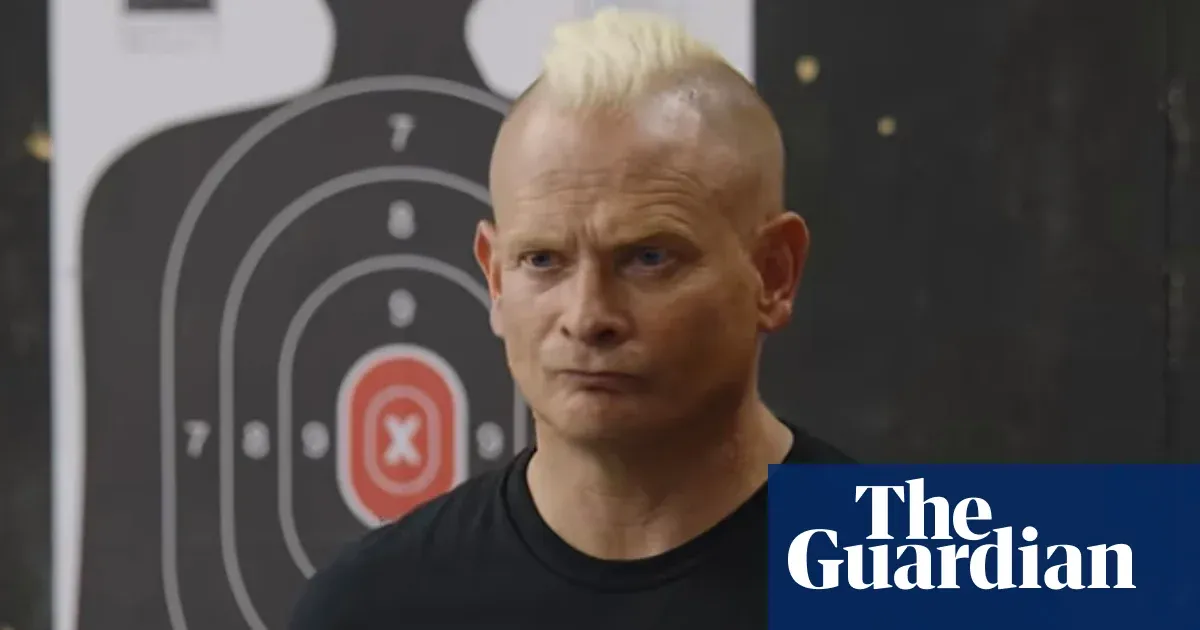
Ali G's 'stooge' says he was in on joke, outplayed Sacha Baron Cohen
A 54-year-old aspiring actor says he recognized Sacha Baron Cohen mid-shoot, kept his MAGA act up, and let the film-makers think they had fooled him.

Entertainer Russell Brand denies 7 sex charges amid accuser's 'couldn't breathe' claim
The alleged victim's account sharpens the reputational and legal stakes for Brand, his platforms, and any business tied to a public figure under criminal scrutiny.

Russell Brand's accuser 'bewildered and confused' as he denies 7 sex charges
The criminal case against the comedian is a live test of how media companies manage talent risk when serious allegations go public.