
Prime Video unveils German drama "Superior" cast, filmed in Bavaria and Switzerland
The 6-part luxury-hotel mystery brings young love, elite training, and a murder plot to Prime's slate.

Prime Video has revealed the cast for its German-language original series "Superior," built around the world of luxury hotel management. The show is filmed in Bavaria and Switzerland and could reshape how studios package premium non-English drama for Prime’s audience.
Prime Video has revealed the cast of its German-language original series "Superior," a six-part drama set in the world of luxury hotels and the hotel management school behind them. Filming is already underway in Bavaria and Switzerland, two locations that signal the series is leaning hard into the “elite surroundings” promise rather than generic studio backdrops.
The headline stake for decision-makers is not just that “Superior” exists, it is what Prime is testing with it: a premium, German-language tentpole that blends young love with a murder mystery. The series is described as taking viewers “behind the perfectly orchestrated scenes of the luxury hotel,” meaning it is not only chasing romance and thriller clicks. It is pitching the operational fantasy of luxury hospitality, where every moment is staged, curated, and controlled, then something breaks.
This is a familiar strategic pattern in streaming, even if the surface details change by market. Platforms compete on retention, and retention often comes from series that can be marketed as more than a genre label. Here, Prime is mixing three hooks in the same package: elite hospitality, formative young relationships, and a murder mystery. That combination matters because it widens the funnel. Romance draws viewers who might not start with a mystery. The mystery creates urgency for those who might otherwise drop after episode one. The luxury setting gives it a visual identity that can travel well in thumbnails and promotional stills.
There is also a production and positioning angle hidden in the filming geography. Bavaria and Switzerland are not random picks in an industry that increasingly relies on standardized sets. For context, luxury-hospitality storytelling lives or dies by texture: uniforms, lobbies, corridors, meal service, and the feeling that money and training can manufacture perfection. Filming across Bavaria and Switzerland supports the claim of “perfectly orchestrated scenes,” because it gives the production more real-world options for scale and authenticity. And for audiences, that translates into a more immersive promise, which is especially valuable in non-English originals where viewers may be deciding quickly whether the series has enough polish.
Prime is entering a crowded landscape where German-language originals are part of a broader push by global streamers to localize premium content. For executives overseeing content portfolios, the relevant question is not whether Germany can produce serialized drama. It can. The question is whether the platform can differentiate the offering in a way that is legible at a glance. "Superior" is doing that by anchoring its identity in luxury hotels and a hotel management school. That is a very specific world, and specificity helps with marketing efficiency because it gives the ads and social clips a clear narrative shorthand.
Now, about the story mechanics. A six-part drama has less time than a long-running series to earn trust, so the writers and producers need early momentum. The described blend of young love and a murder mystery suggests a deliberate rhythm: character attachment first, then escalation. Even without additional plot details, this format usually works because romance makes stakes personal, and murder makes stakes immediate. If the “world of luxury hotel management school” is the stage, then the murder mystery is the disruptive event that forces the characters and the institution to reveal what perfection hides.
From a board and finance lens, non-English originals are often treated as both cultural credibility and subscriber economics. Cultural credibility is the brand benefit: platforms want to be seen as serious about local storytelling, not just importing formats. Subscriber economics is the tougher part: if the series performs, it can reduce churn by giving Prime a reason to stay subscribed in a region where viewers have many alternatives. But execution risk is real. Luxury worlds are expensive to build and maintain. Thrillers require pacing discipline. Romance requires chemistry. A six-part schedule can be a strength here, because it can concentrate resources into a defined arc rather than stretching production across years.
Peers in similar roles, especially studio heads and platform content executives, should treat "Superior" as a signal about Prime’s current approach: build premium non-English series with instantly understandable visuals, then combine multiple audience entry points in the same story. If “Superior” lands, the playbook becomes clearer. If it misses, it will still provide a valuable data point on what German-language viewers respond to right now: luxury hospitality fantasy, young love dynamics, and the promise that the perfectly managed surface will eventually crack.
This story's Key Insights and Take-aways are locked.
Create a free account to unlock Executive Actions for one credit.
Register to UnlockAlways free for Executives Club members. Join the Club
More in Entertainment

Universal allegedly left a $6,000 repair invoice unpaid for The Odyssey’s Viking ship
The owner says the Glad av Gillberga was damaged on set and an invoice for materials never got paid, despite repairs.

India’s paid music subscribers may reach 30M by 2028, EY-IMI projects
A forecast jumps from about 14M in Dec 2025 to 28M-30M in 2028, reshaping who can profit in streaming.
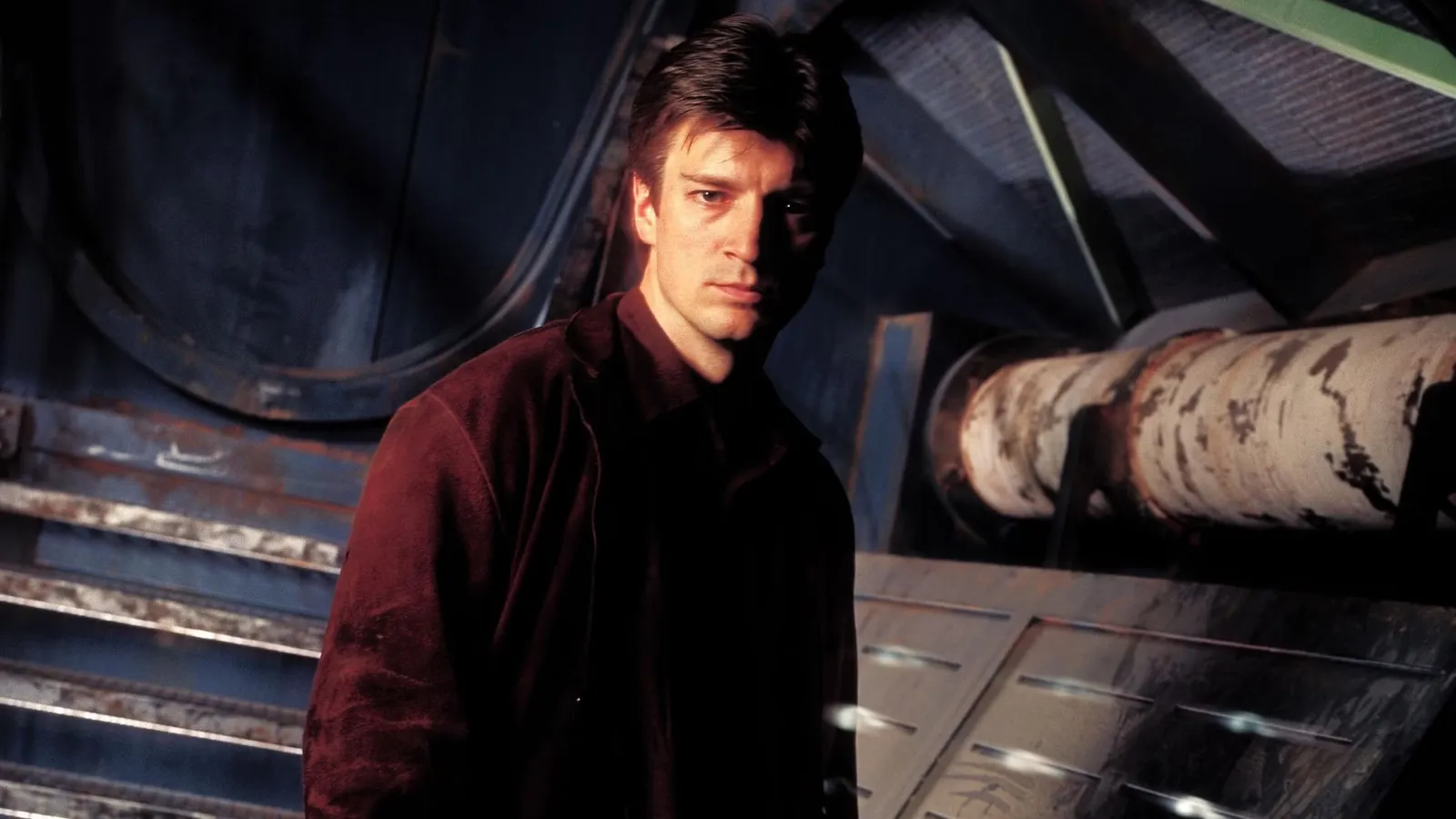
24 years after Mal Reynolds, Nathan Fillion flips his sci-fi hero role in Lanterns
For studio and audience strategists, Fillion’s Lanterns casting shows how nostalgia gets retooled into a fresh kind of hero.