
Pulp Fiction hits Prime Video: Tarantino crime classic returns after 32 years
The 154-minute Cannes-era phenomenon is streaming on Prime Video now, reopening debates about impact and intent.
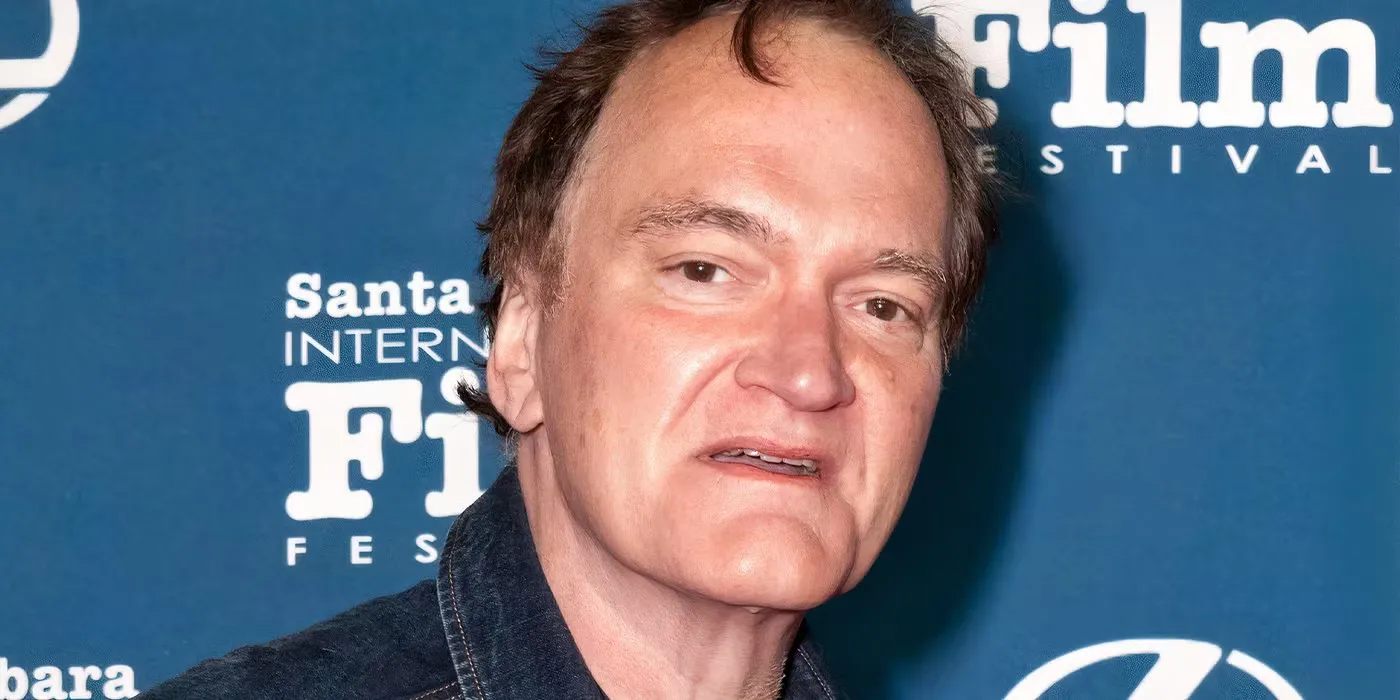
Quentin Tarantino's Pulp Fiction, his breakout masterpiece, is officially returning to streaming on Prime Video. The release gives decision-makers a fresh moment to weigh cultural influence, reputational risk, and audience sentiment in real time.
Quentin Tarantino's Pulp Fiction is officially returning to streaming on Prime Video, with the film’s 154-minute runtime and its original “booed by certain members of the audience” Cannes premiere still doing damage (and doing work) decades later. For anyone who runs media, makes investment calls, or oversees brand risk, this matters now because streaming releases do not just move content. They reactivate context.
The fastest way to see why is to remember how the movie has always lived in conversation. Even before the Prime Video return, the film’s cultural shadow was tied to Tarantino’s broader reputation for how he uses language, including racial slurs. The Collider source notes that Rosanna Arquette, a collaborator, said in an interview that Tarantino’s repeated use of a racial slur is “creepy.” That statement did not land in a vacuum. It came on top of repeated public criticism, including Spike Lee questioning the ethics behind it.
So what is actually happening when a 32-year-old crime masterpiece returns to streaming? It is not a passive re-release. It is a new round of audience appraisal, happening in a platform era where watch behavior, online commentary, and brand partnerships move at modern speed. When Pulp Fiction debuted at the Cannes Film Festival, the source says it was booed by certain audience members following its premiere. That detail is key, because it signals the movie has never been “universally liked and then archived.” It has been contested. Streaming revives that contest in comment sections, in recommendation algorithms, and in the everyday decision-making that determines what gets watched and shared.
For executives, the question is not whether the movie is famous. It is whether the platform is choosing to amplify something that generates both attention and controversy. Prime Video is effectively staging a cultural referendum, even if it is framed as “classic film availability.” And because Pulp Fiction is Tarantino’s breakout masterpiece, the return is more likely to be interpreted as a statement about what the company considers enduring cinema, not just an additional title in a catalog.
There is also a legal and regulatory-adjacent reality that executives cannot ignore, even when the story is “just streaming.” The source does not cite any regulator or specific rule changes. But the environment around film distribution is shaped by longstanding classification practices and by ongoing scrutiny over how content is labeled and moderated online. When a title is tied to racial slur usage, platforms typically have to rely on content guidelines, distribution standards, and user-facing controls to reduce harm. Even if the source does not give details on Prime Video’s specific controls, the reputational and compliance stakes are obvious: a streaming release can trigger renewed scrutiny from audiences and advocacy groups, and it can create additional work for trust and safety teams.
Then there is the reputational math for the broader ecosystem. Tarantino has an opinion about everyone else’s movies, but the source emphasizes a different kind of pressure point: negative commentary from collaborators is rare. The source frames Arquette’s “creepy” comment as unusual precisely because she is part of his creative orbit. When insiders speak negatively, it tends to shift the conversation from “taste debate” to “ethics debate.” That is exactly the type of reframing that can influence how corporate stakeholders talk about a title, even if they still greenlight the programming.
For boards and senior operators, the second-order implication is that catalog strategy is not neutral. A return to streaming can pull older controversies into current business decisions, including partnership discussions, advertising considerations, and public-facing communications. It also affects internal risk monitoring. Teams responsible for brand safety will care less about whether Pulp Fiction is “great” and more about what the release cycle generates: press coverage, audience polarization, and the possibility of calls for changes to promotion or presentation.
Finally, this matters to peers because Tarantino is not just one director. He is a benchmark for how mainstream platforms handle auteurs who are both celebrated and criticized. The source ties the Cannes reception, the ongoing criticism around racial slurs, and the collaborator reaction together into one narrative. In other words, Pulp Fiction’s Prime Video return is not simply “a classic comes back.” It is a reminder that streaming distribution is a live wire. The question for executives is whether they are prepared for the cultural noise that follows the play button, and whether they can manage the reputational fallout without losing the business upside of keeping major works visible for the next generation.
This story's Key Insights and Take-aways are locked.
Create a free account to unlock Executive Actions for one credit.
Register to UnlockAlways free for Executives Club members. Join the Club
More in Entertainment

Ali G's 'stooge' says he was in on joke, outplayed Sacha Baron Cohen
A 54-year-old aspiring actor says he recognized Sacha Baron Cohen mid-shoot, kept his MAGA act up, and let the film-makers think they had fooled him.

Entertainer Russell Brand denies 7 sex charges amid accuser's 'couldn't breathe' claim
The alleged victim's account sharpens the reputational and legal stakes for Brand, his platforms, and any business tied to a public figure under criminal scrutiny.

Russell Brand's accuser 'bewildered and confused' as he denies 7 sex charges
The criminal case against the comedian is a live test of how media companies manage talent risk when serious allegations go public.