

Qween Jean becomes first openly trans Tony winner for Cats costume design
Her Tony win for Cats: The Jellicle Ball sets a new milestone for trans visibility in Broadway awards.
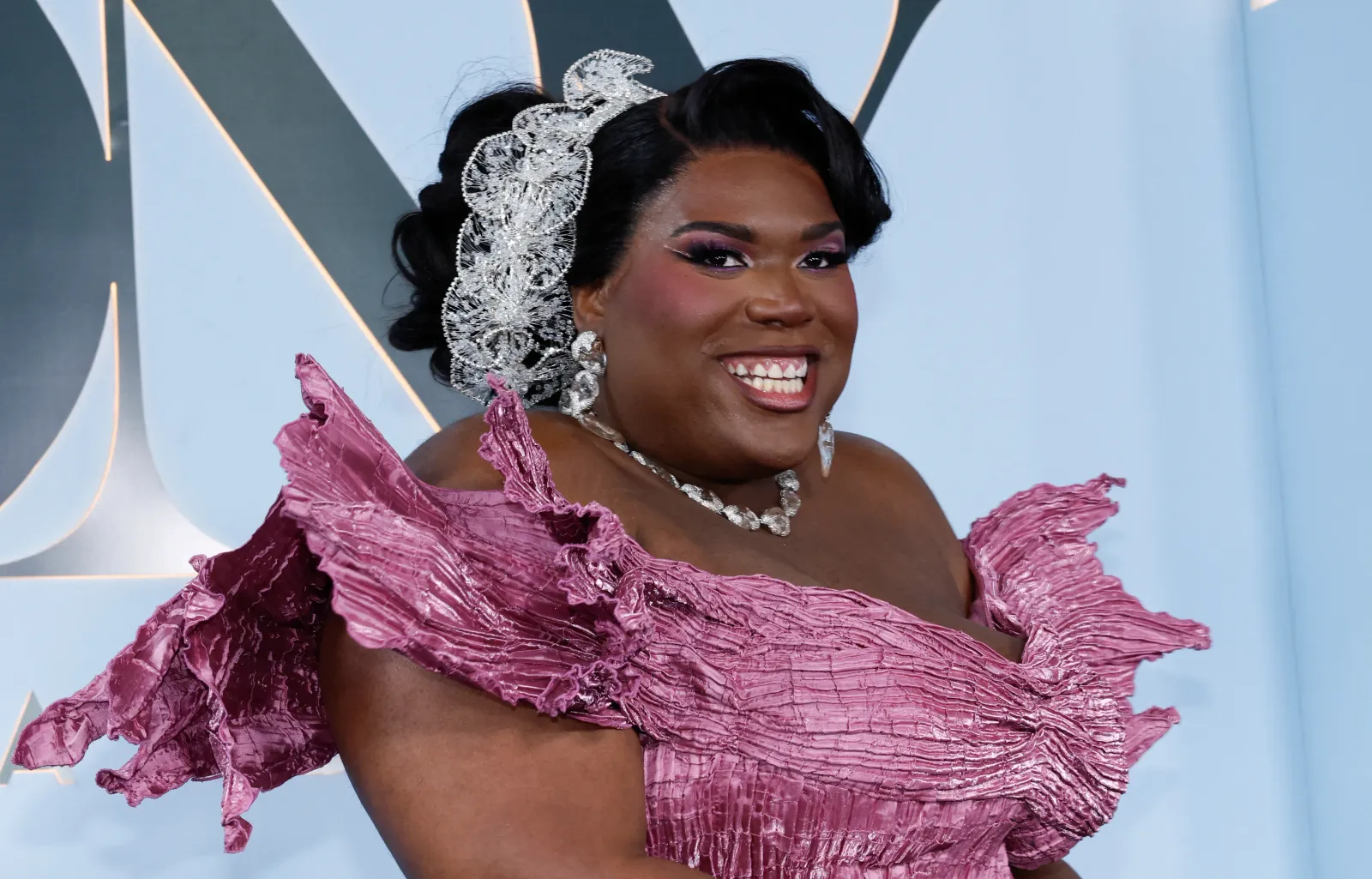
Qween Jean, costume designer for Cats: The Jellicle Ball, won a Tony Award and became the first openly trans woman to win a Tony. For decision-makers across live entertainment, it signals shifting recognition norms and raises the stakes for inclusive creative leadership.
Qween Jean just won a Tony Award for her costume design for Cats: The Jellicle Ball, and she made history along the way. Deadline reports she is the first openly trans woman to win a Tony Award. That matters because the Tony Awards have long been a barometer for prestige in American theater, and this win is a clear, concrete data point that Broadway recognition can move when the work, and the visibility, arrive at the right moment.
The headline is not just celebratory, it is specific. Deadline notes that while several non-binary performers have won Tonys in the past, Qween Jean is the first trans winner. In other words, the awards pipeline has already produced breakthroughs for gender-diverse performers, but trans inclusion at the level of “openly trans woman” had not yet reached the top rung. This Tony outcome is the first time that rung has been visibly claimed in that precise way.
If you are an executive, producer, investor, or operator watching culture industries, awards may look like soft power. But in live entertainment, prestige is a real business ingredient. Tony wins can reshape career velocity for creative teams, influence casting and design hiring, and lift long-term demand for productions and related IP. Costume design might not always headline investor conversations, but the practical reality is that Tony-winning creatives become safer bets for stakeholders: theaters, producers, marketing teams, and sponsors all like to point to validated excellence. In that sense, Qween Jean’s win is both a milestone and a credibility transfer. It changes who gets perceived as “proven” at the highest level of the industry.
There is also a governance and incentives angle that executives cannot ignore. Awards ecosystems are partially driven by formal eligibility rules, but they also respond to what the industry chooses to spotlight. Over time, recognition patterns can create feedback loops. When the industry sees more gender-diverse leaders in prominent creative roles, it becomes easier for decision-makers to justify expanding those opportunities because the evidence shifts from “it should work” to “it already did.” Qween Jean’s Tony win for Cats can function as that evidence, not through policy changes, but through the reputational math of who gets celebrated.
For context, the source draws a boundary line between non-binary Tony winners and trans winners. Deadline explicitly says several non-binary performers have won Tonys previously, which means Broadway was already moving. The milestone here is narrower, but also more pointed. “First openly trans woman” does not mean the industry suddenly became inclusive overnight. It means trans visibility reached a particular threshold: openly trans, woman, and a Tony win, tied to a credited role in a major production.
That is why this story lands with strategic weight. Inclusivity is often discussed as a moral imperative. But in executive terms, it is also a market imperative. Theater lives on audience trust, media narratives, and cultural legitimacy. A Tony win can shift those narratives quickly. It can influence how press covers productions, how sponsors frame brand alignment, and how audiences decide what stages to support. For companies that care about risk management and brand reputation, recognition of this kind can reduce uncertainty around whether inclusive casting and creative leadership will resonate.
Second-order implications show up at the production level. Cats: The Jellicle Ball is not a small play or an off-Broadway experiment; it is a marquee theatrical property, and Deadline’s account ties Qween Jean’s recognition directly to her costume design. That means her work is being validated publicly and professionally, not relegated to token visibility. For boards and senior operators, this can affect talent strategy. If the industry rewards excellence regardless of identity, executives may find that broadening the search for designers, performers, and directors is not only aligned with values, it can be aligned with winning outcomes.
Finally, there is a competitive lesson for anyone operating in live entertainment. Awards are a high-signal event, and they can recalibrate expectations. Qween Jean’s Tony win makes it harder for gatekeepers to claim that trans creatives do not reach the peak of mainstream theater recognition. It also sets a reference point that future productions will be measured against. If peers want to stay relevant, they need to understand that the center of gravity is moving. Today it is a milestone for one person. Tomorrow it can be a baseline expectation for how major creative teams are staffed and credited.
This story's Key Insights and Take-aways are locked.
Create a free account to unlock Executive Actions for one credit.
Register to UnlockAlways free for Executives Club members. Join the Club
More in Entertainment

Christopher Nolan’s “The Odyssey” posts his biggest Tuesday haul, surpassing “The Dark Knight’s” record
The film’s Tuesday breakout reframes Nolan’s box-office ceiling and forces competitors to rethink timing, budgets, and release strategy.

Kacey Musgraves cancels Aug. 20, 29, Sept. 2 Middle of Nowhere shows
Ticketmaster emails are telling fans refunds are coming, while the tour still starts Aug. 21 in Chicago.

Billie Joe Armstrong launches Epiphone Les Paul Junior and Marshall 1959BJA signature gear
Two limited releases turn decades of Green Day’s tone into branded hardware, including Marshall’s first artist amp in 14 years.