
Rain-prayer seems to work, until it doesn't: rituals track storm chances in some regions
A new look at how rain can be more likely after dry spells suggests prayer performs best where weather probabilities climb.
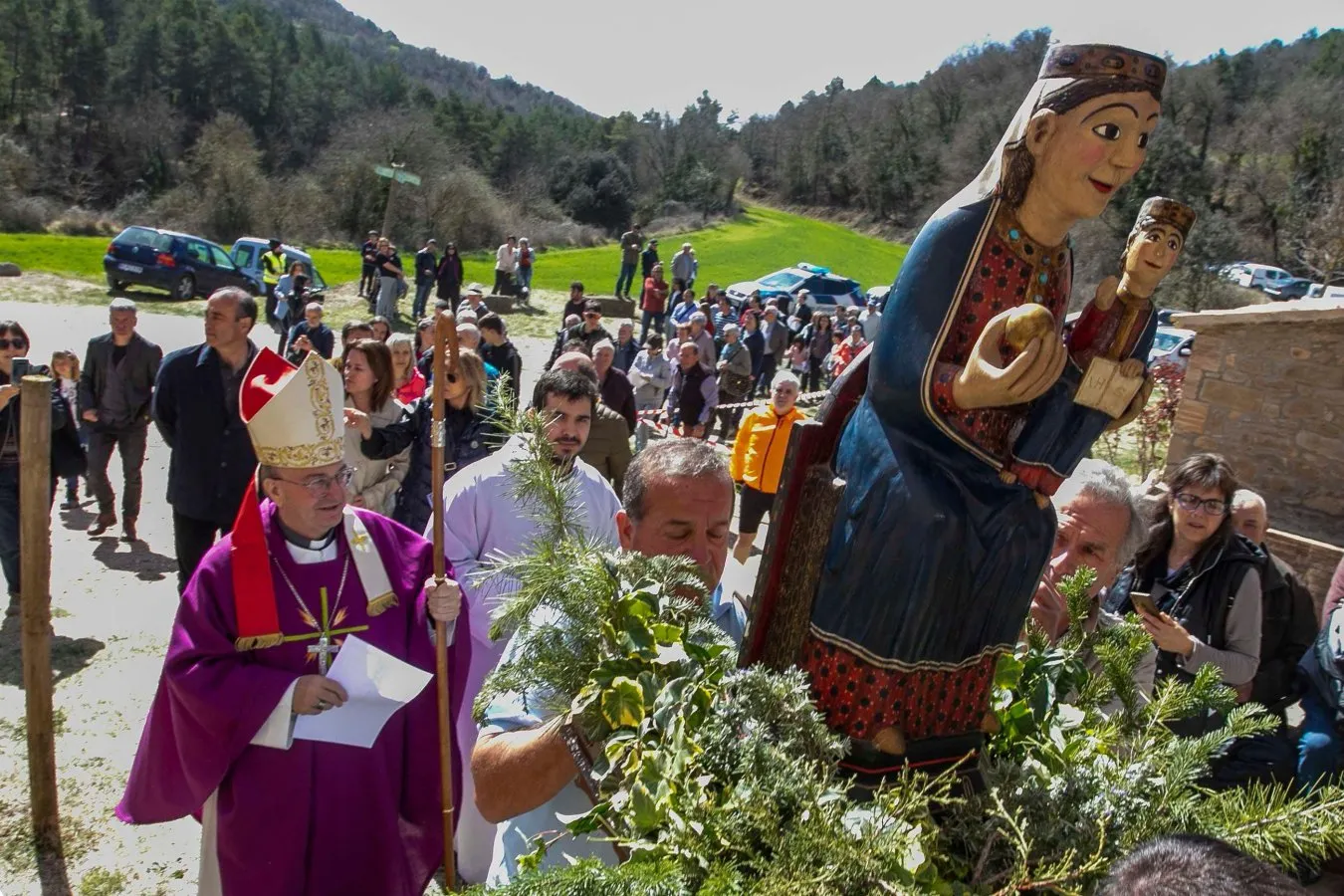
New Scientist reports that in some places, the probability of rain rises the longer a dry spell lasts, and communities there are more likely to perform rain-making rituals. For decision-makers, the implication is that “it worked” may often reflect local weather dynamics, not universal cause-and-effect.
In some parts of the world, the longer it goes without rain, the probability of rain increases with every day it doesn't rain. New Scientist links that pattern to a simple but powerful human feedback loop: communities in these places are more likely to carry out rain-making rituals.
If you are trying to understand why a ritual can look effective, the headline answer is immediate. In regions where the chance of rain truly rises day by day during a dry spell, any intervention that happens to coincide with the eventual return of rainfall will look like it “caused” the outcome. The story is not that prayer or ceremony changes the atmosphere everywhere. The story is that the local odds stack the deck in a way that makes success more likely after repeated, timely ritual activity.
To see why this matters, it helps to translate “probability rises” into what it means operationally for people watching a streak. Weather is an inherently uncertain process. In many settings, you cannot tell whether the next rain event is imminent or unlikely. But in the specific places New Scientist points to, the conditional probability shifts: as each day passes with no rain, the system becomes more favorable for rainfall. That means the next rain is statistically more likely later in the dry spell than earlier.
Once you understand that, the second-order implication jumps out. Communities do not perform rituals at random. They tend to ramp up when conditions worsen, which is exactly when rain becomes more probable in those regions. Even if the ritual has zero physical effect, the timing lines up with improving odds. This can create what statisticians would call a selection and coincidence effect. The outcome happens after the action more often than chance would predict in a neutral world, simply because the baseline probability is trending upward.
For executives and boards, the lesson is not “pray for weather.” It is how decision-making can be gamed by environment-dependent baselines. Think of any business where outcomes appear to follow interventions because the system’s underlying probabilities change over time. Marketing campaigns, customer success programs, clinical protocols, fraud investigations, and operational checklists can all show “success” clustered around actions, especially when you only observe wins or when the underlying process is time-conditioned. If the environment itself is becoming more favorable as time passes, the causal story can be mistaken for the statistical one.
There is also a cultural and governance dimension. Rain-making rituals, in the places New Scientist describes, are more likely to occur because the dry spell is worsening and the likelihood of rain is moving. That is a feedback loop between lived experience and communal practice. When outcomes improve, the community gets reinforcement. When outcomes do not, the pattern becomes harder to interpret. Over time, that can shape norms, resource allocation, and leadership credibility, even if nobody claims to understand the meteorology.
From a regulatory perspective, this kind of phenomenon often sits at the boundary between science, public communication, and policy. Weather-related guidance, disaster preparedness, and climate risk messaging are usually governed by agencies that want actionable certainty. Stories like this can complicate public messaging because they blur the line between correlation, belief, and empirically testable mechanisms. The key governance question becomes: are people making decisions based on robust causal claims, or are they simply observing that actions precede outcomes more often than expected under local probability patterns?
For peers in similar roles who manage systems under uncertainty, the strategic stakes are straightforward. If you run organizations that rely on interventions to “change the odds,” you need to separate what the world is doing anyway from what your actions contribute. New Scientist’s framing suggests that some visible effects are real but not in the way people assume. Rain rituals may appear to work in some places because rain is statistically more likely as the dry spell drags on. That means your evaluation framework must account for time-dependent probabilities and regional baselines, not just the headline outcome.
In short: the probability rises with every day it doesn't rain, and the rituals happen more in those places. The apparent success is a reflection of local odds improving over time, not a universal guarantee. If you are leading in any domain where interventions get judged by what happens next, this story is a reminder to audit the baseline before you award credit.
This story's Key Insights and Take-aways are locked.
Create a free account to unlock Executive Actions for one credit.
Register to UnlockAlways free for Executives Club members. Join the Club
More in Science
2026 Nikon Small World Winners Reveal the Hidden Machinery of Everyday Life
A mycologist's frozen Edinburgh garden became the backdrop for vivid views inside cells, a reminder of what advanced imaging now makes visible to researchers and the industries built on biology.

Study: 1 in 4 depression cases may be a body-clock problem, not a chemical one
A 10,000-person study finds standard antidepressants often fail these patients, but melatonin and morning sunlight may hit the real root cause.

Start-Up Says A.I. Designed a Virus to Attack One Patient's Superbug
If the claim holds up, personalized phage therapy could become a new frontline weapon against antibiotic resistance - but proof is far from final.