
Rakuten Medical funnels 95% of its resources into U.S. 'lightsaber' cancer fight
CEO Minami Maeda is running Phase 3 trials and targeting a 2028 FDA submission as photoimmunotherapy moves from Japanese clinics toward the world's largest market.
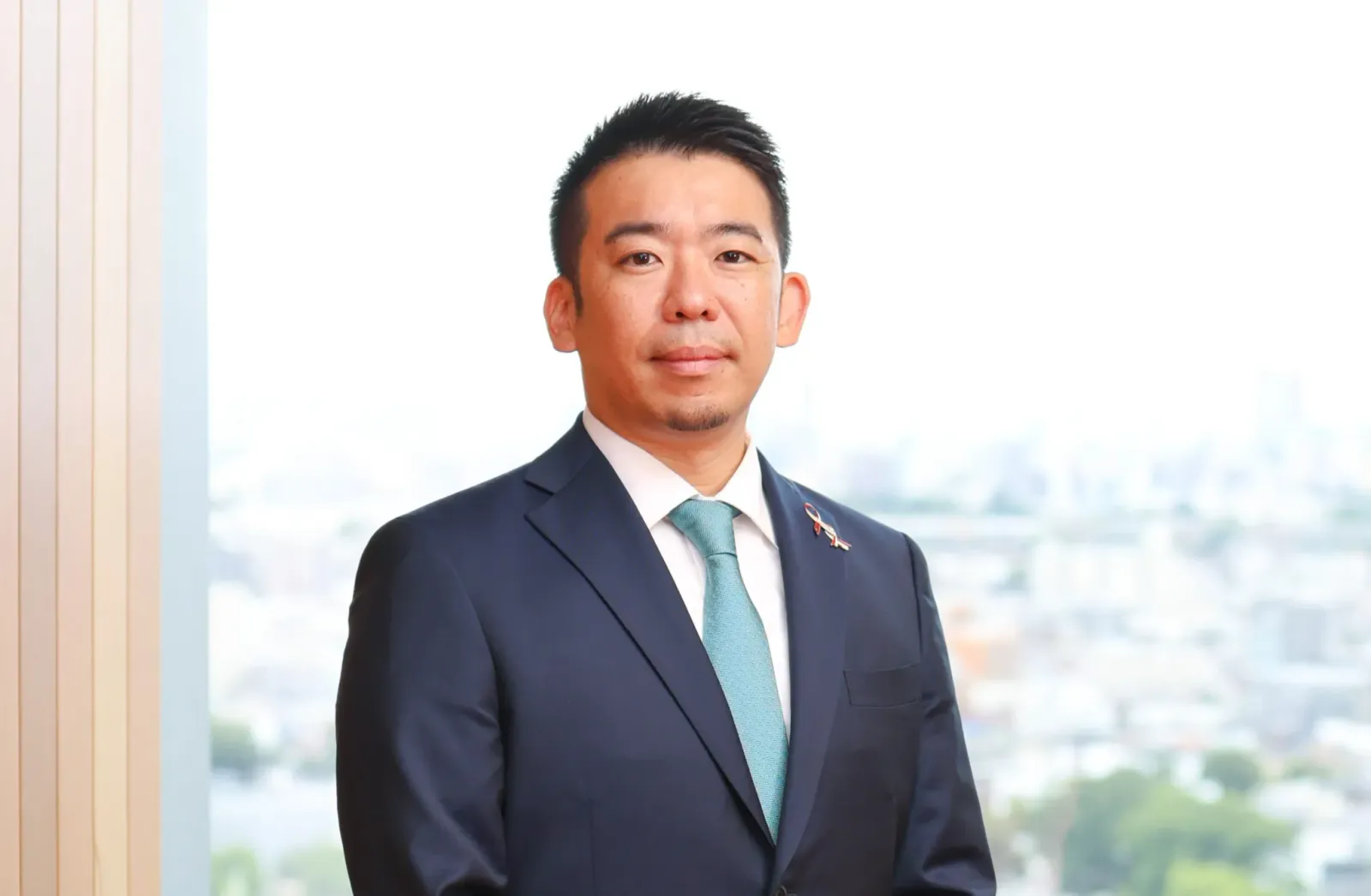
Minami Maeda, CEO of Rakuten Medical, is directing roughly 95% of company resources into U.S. clinical trials for its light-based cancer treatment, aiming for a 2028 FDA submission. For biotech and healthcare leaders, the playbook combines a razors-and-blades device strategy with an Asia-first regulatory expansion into China's orbit.
Rakuten Medical is betting roughly 95% of its resources on one market: the United States. CEO Minami Maeda says the goal is nothing less than getting surgeons to "put down their knives, and pick up this lightsaber," referring to the San Diego-headquartered biotech's photoimmunotherapy platform, which uses light to treat cancer. The company is already treating head and neck cancers in Japan and is now running Phase 3 clinical trials in the U.S., with a 2028 FDA submission as the near-term milestone. For a company that started with just 30 patients in its first year, the U.S. push is an outsized strategic commitment.
The "lightsaber" framing is more than marketing. Rakuten Medical's approach combines a proprietary drug, Akalux, with a technology platform, Alluminox, that doctors use to activate the drug. Akalux binds to epidermal growth factor receptors on cancer cells and tags them with a light-activated dye; red light is then applied to selectively exterminate the tagged cancer cells. The technology's origin story is accidental: in 2011, Japanese scientist Hisataka Kobayashi and his team at the U.S. National Cancer Institute were trying to visualize cancer cells using photoimmunotherapy, not treat them, when they noticed the cancers disappearing. Maeda's clinical pitch is specificity - a minimally invasive method that preserves patients' quality of life in ways surgery, radiation, and chemotherapy often cannot.
The U.S. focus is strategic, not sentimental. "The U.S. is the world's biggest market, and it's also where a lot of capital is deployed," Maeda says. He argues that to expand beyond head and neck cancers into all solid tumors, the company needs significant R&D investment. That ambition explains the financial profile: Rakuten Medical's Japan branch is profitable, but the global entity operates at a loss due to heavy research spending. The company is effectively trading near-term profitability for a shot at a broader oncology franchise.
The commercial model borrows from printers and ink. Rakuten Medical installs the Alluminox platform in hospitals free of charge and charges only a minimal fee per use; profits come from Akalux drug sales. Maeda explains the logic directly: "If your company sells both printers and ink, you can't sell both at very high prices, since the printer is an enabler." For hospitals, the free hardware lowers the barrier to adopting a new treatment modality, while the recurring drug cost creates a steady revenue stream for the company. It is a common strategy in medtech, but applying it to a cancer treatment is distinctive.
Adoption has been a slow burn, not an instant switch. Doctors did not embrace the drug-device combination at first. "It's not a refusal; it's a challenge for the doctors to understand: why am I not going to do surgery?" Maeda says. In the first year in Japan, Rakuten Medical treated just 30 patients. Today it treats 700 to 800 patients per year across some 200 hospitals. The trajectory suggests clinical buy-in is compounding, but it also underscores how hard it is to change established treatment protocols.
Before the FDA verdict, Maeda is expanding along a faster regulatory path. He is targeting markets that acknowledge Japanese approval of Akalux: Taiwan, Macau, Singapore, Hong Kong, and Saudi Arabia. This lets Rakuten Medical commercialize in those territories before U.S. clearance. Macau, in particular, is positioned as a gateway to mainland China. "Once we treat a few dozen patients in Macau, it opens up a gateway for the Greater Bay Area," Maeda says. He adds that building Chinese population data will help with potential partners and shape commercialization in China. He also sees emerging Southeast Asian markets as a fit because the technology is "inexpensive and easy to deploy."
The strategic stakes extend beyond one biotech. If photoimmunotherapy clears FDA review, it enters an oncology field dominated by surgery, radiation, chemotherapy, and immunotherapy. Maeda wants it to become the fifth pillar of cancer treatment within a decade. For executives watching from adjacent industries, the signals to monitor are regulatory reciprocity across Asian markets, the success of a hardware-plus-consumable pricing model in a clinical setting, and whether a light-based modality can convert its specificity advantage into reimbursement coverage and physician adoption.
This story's Key Insights and Take-aways are locked.
Create a free account to unlock Executive Actions for one credit.
Register to UnlockAlways free for Executives Club members. Join the Club
More in Business

A flaw in PHP just forced governments to pull their own sites offline
European agencies from Belgium to Germany took websites dark to patch a critical weakness in the language behind almost 70% of the web, and the blast radius extends far beyond government portals.

BioWare shuts down, Mass Effect 5 dead after $55B EA buyout
The legendary RPG studio's closure lands months after a $55 billion investment group buyout of EA, raising tough questions for gaming's biggest acquirers.
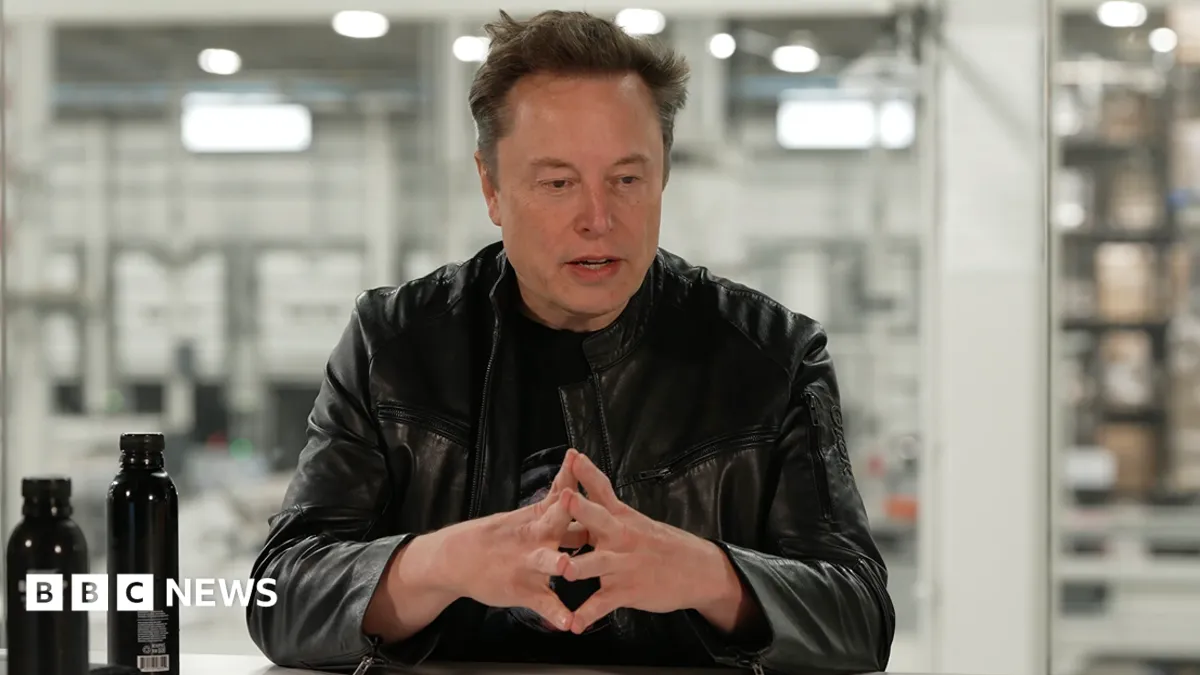
Musk weighs Tesla-SpaceX mega-merger as boards form review panels
Special committees at both companies will examine a tie-up that could fuse electric vehicles and space launch, forcing a fresh look at governance and valuation.