
Ramones, Linkin Park, Smashing Pumpkins land Hollywood Walk of Fame stars in 2027
Class of 2027 adds Lil Wayne, Kate Hudson, Idris Elba, Pedro Pascal, and more, reshaping celebrity brand value signals.
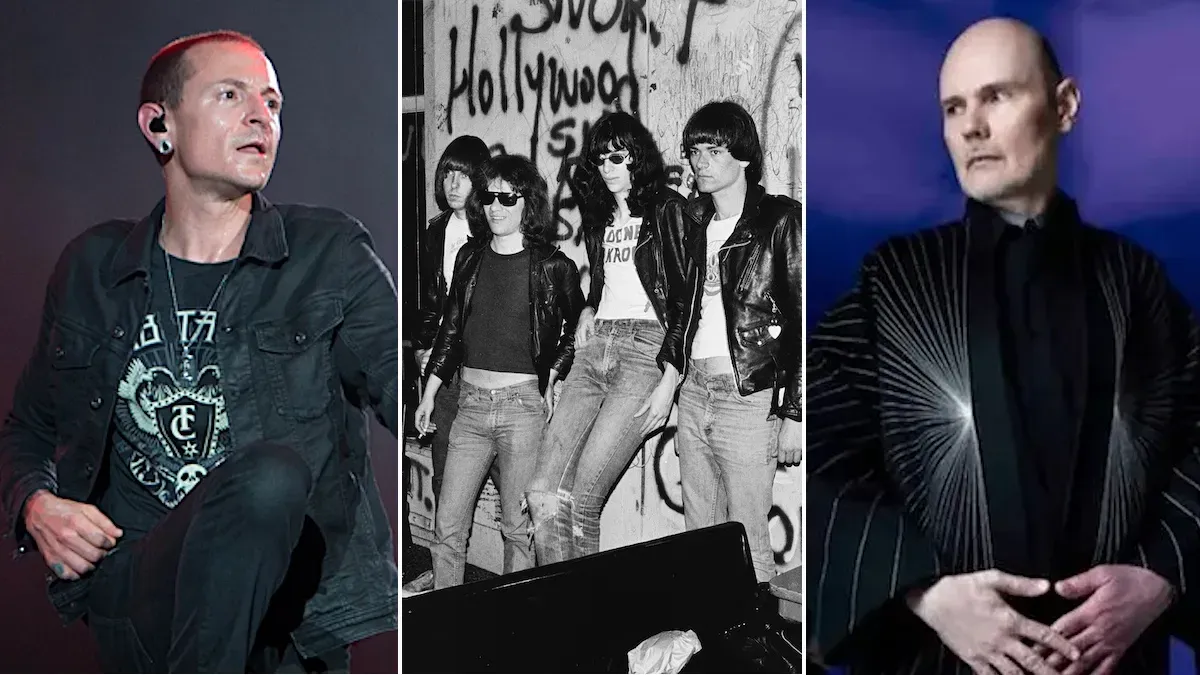
The Hollywood Walk of Fame has announced its Class of 2027, including the Ramones, Linkin Park, and The Smashing Pumpkins. For decision-makers in media, music, and entertainment, the picks matter because they validate enduring cultural impact and intensify cross-platform brand leverage.
The Hollywood Walk of Fame just announced its Class of 2027, and the music list is stacked: the Ramones, Linkin Park, and The Smashing Pumpkins will each receive a star. That is not just a ceremonial win for legacy artists. For brands, managers, studios, and the executives who invest in IP and audience attention, it is a high-visibility signal that certain acts have crossed from “popular” to “institutional.”
This year’s class also includes Lil Wayne, Karol G, David Guetta, and a posthumous entry for Waylon Jennings, plus additional non-music honorees: Kate Hudson, Idris Elba, Pedro Pascal, and more. In other words, the Walk of Fame continues to function like a cultural scoreboard, where the industry can point to specific names and say, “These are the people with the staying power.” And because the Walk of Fame is physically located in one of the world’s most trafficked tourist and entertainment corridors, the recognition has a kind of permanence many digital platforms cannot replicate.
To understand why executives should care, zoom out to how celebrity brand equity works in 2026. Awards and rankings can spike attention, but they are often transient. Walk-of-Fame stars sit on sidewalks for years, creating repeat impressions from tourists, press, and industry visitors. That matters when you are making allocation decisions across touring, merchandising, licensing, sponsorships, and content production. An artist who gets a star is not suddenly more talented, but the market does treat it as proof of broad, multi-year cultural relevance. That can influence negotiation leverage for managers and labels, since it supports narratives around “global reach” and “legacy.”
It also matters because the Walk of Fame honors span categories that executives typically separate: music and screen. The Class of 2027 includes musicians like Lil Wayne and Karol G, DJs/producers like David Guetta, and screen figures like Kate Hudson, Idris Elba, and Pedro Pascal. When those worlds overlap on one list, it reinforces a practical truth for media companies: the same consumers who stream music also binge series, and executives who build franchises ignore neither. Recognition in a mixed cohort can help talent teams justify broader partnerships, because the brand story becomes “we are not a niche fandom property, we are mass cultural infrastructure.”
There is also a second-order effect inside boards and leadership teams, even if no one says it out loud. Public recognition can be used as a timing and messaging tool. When leadership teams plan releases, tours, and campaigns, they sometimes need an anchor event that is already validated by mainstream institutions. A Walk of Fame announcement gives marketing teams a ready-made milestone, and it gives investors and partners a simple shorthand for risk reduction: this is not an unproven bet on the next wave. It is an endorsement of the last wave that has endured.
For regulators and policy watchers, the Walk of Fame sits in a slightly different lane. The announcement itself is not a regulatory action, and there are no new rules attached. But it still intersects with the governance environment around cultural institutions, public spaces, and entertainment policy, because the Walk of Fame is a civic landmark with cultural policy implications. When a high-profile set of names gets selected, it can raise questions about representation, criteria, and how institutions define cultural contribution. While this article does not detail selection methodology or debate, the existence of a named “Class of 2027” is itself a reminder that cultural gatekeepers remain active, and that can influence how entertainment companies plan PR strategy for years ahead.
Finally, for peers who manage artists and talent portfolios, the list is a timing signal. The inclusion of Ramones, Linkin Park, and The Smashing Pumpkins puts rock and alt-rock legacy in the same conversation as mainstream chart leadership like Lil Wayne and Karol G, and global electronic visibility like David Guetta. The takeaway is clear: durable audience demand does not map neatly to one genre or one platform. When the Walk of Fame selects across styles and generations, it effectively tells executives that investment in legacy is not only about nostalgia. It is about sustaining discoverability and credibility across new audiences who are likely to encounter these stars long after the original release era.
If you are a CEO, CMO, studio exec, label leader, or someone advising boards on cultural strategy, the strategic stakes are simple. The Walk of Fame is an attention machine with physical permanence. The Class of 2027, from the Ramones to Pedro Pascal, turns that machine back on for another year, and it gives talent teams a concrete milestone they can use to amplify partnerships, strengthen licensing narratives, and reinforce brand value in a crowded media ecosystem.
This story's Key Insights and Take-aways are locked.
Create a free account to unlock Executive Actions for one credit.
Register to UnlockAlways free for Executives Club members. Join the Club
More in Entertainment

Ali G's 'stooge' says he was in on joke, outplayed Sacha Baron Cohen
A 54-year-old aspiring actor says he recognized Sacha Baron Cohen mid-shoot, kept his MAGA act up, and let the film-makers think they had fooled him.

Entertainer Russell Brand denies 7 sex charges amid accuser's 'couldn't breathe' claim
The alleged victim's account sharpens the reputational and legal stakes for Brand, his platforms, and any business tied to a public figure under criminal scrutiny.

Russell Brand's accuser 'bewildered and confused' as he denies 7 sex charges
The criminal case against the comedian is a live test of how media companies manage talent risk when serious allegations go public.