
Rebel Wolves founder Konrad Tomaszkiewicz reveals Blood of Dawnwalker post-credits scene early
A Summer Game Fest Play Days interview confirms the modern footage is from an end-credits scene and signals a connected RPG franchise plan.
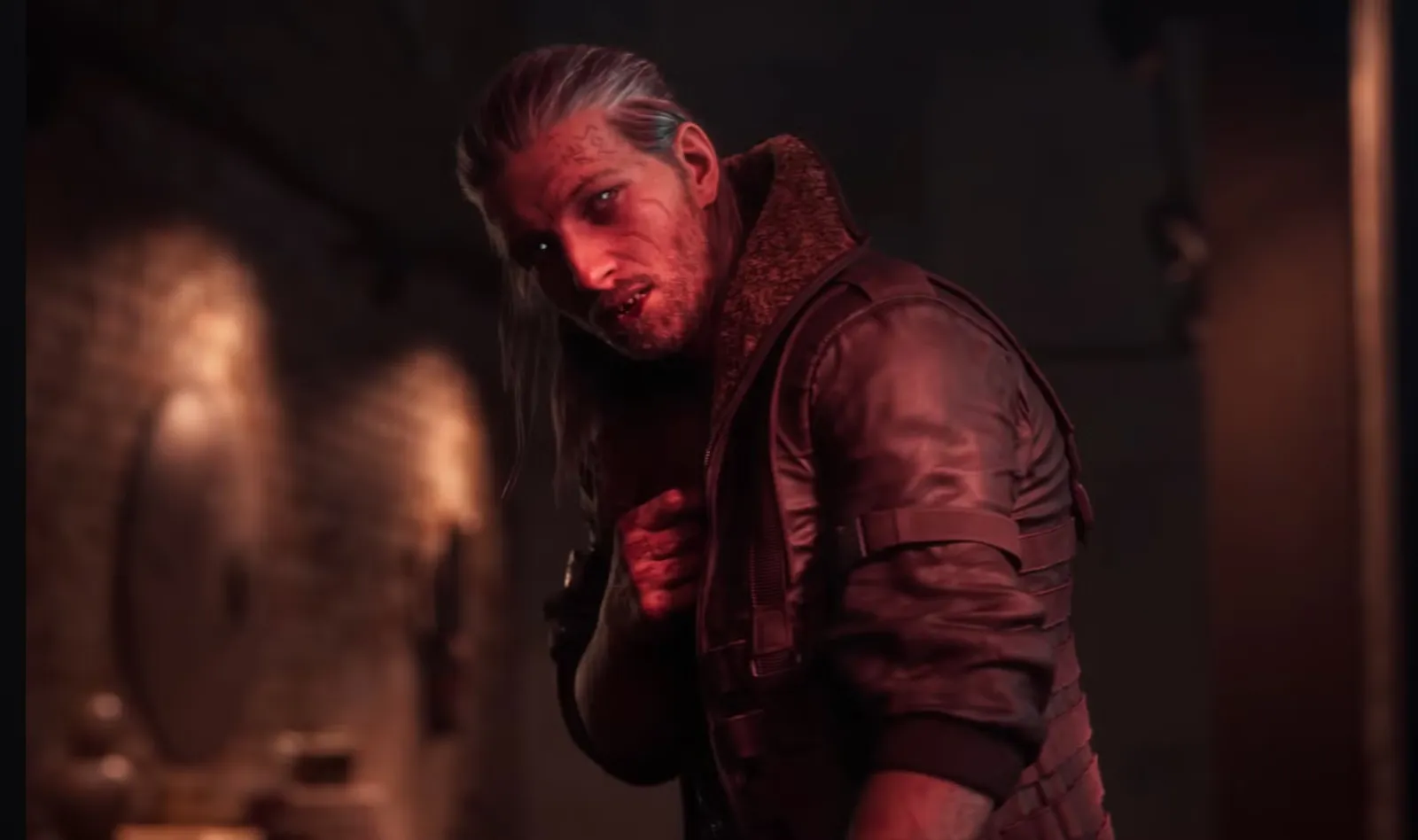
Rebel Wolves Studio founder and game director Konrad Tomaszkiewicz told Polygon at Summer Game Fest Play Days that The Blood of Dawnwalker’s modern-day footage comes from an end-credits scene. The implication for decision-makers: Rebel Wolves and Bandai Namco are laying groundwork for a connected franchise now, not later.
Konrad Tomaszkiewicz, Rebel Wolves Studio founder and game director, told Polygon at Summer Game Fest Play Days that the modern-day footage being shown is not just a teaser. It is from an end-credits scene. That confirmation matters because it turns what could have been “mystery worldbuilding” into a deliberate franchise mechanism, the kind that nudges players to stick around for the next entry, and nudges partners to align early.
And yes, Rebel Wolves is already doing something even more revealing. In discussing The Blood of Dawnwalker and its place in what Tomaszkiewicz described as a broader, choice-driven RPG saga, he made it clear that Rebel Wolves and Bandai Namco are laying groundwork for a connected franchise. Polygon reports that this plan includes calling their shot early by spoiling The Blood of Dawnwalker’s post-credits scene in its latest trailer. In other words, the “wait for the sequel payoff” strategy is already on the table, and they have effectively pulled forward the moment that usually arrives after launch.
This is the kind of decision that is easy to misread if you only watch trailers. End-credits scenes, especially in games, are not just narrative garnish. They are product architecture. They are a signal to players, to the media cycle, and to business partners that the studio expects a multi-game run. Tomaszkiewicz’s framing to Polygon emphasizes that The Blood of Dawnwalker is “just the start” of a broader choice-driven RPG saga, which is an explicit statement of intent. The choice-driven part is not a marketing slogan here. It is the system foundation that can carry across games, letting future entries reference past decisions or build on branching design philosophy without restarting the entire player investment.
Now zoom out to why Bandai Namco and Rebel Wolves would bet on connected franchise planning early. Big connected franchises tend to require synchronized schedules, shared production learning, and consistent audience expectations. When partners treat the first title as the beginning of a chain, they can align budgets and roadmaps around narrative continuity and gameplay pillars rather than treating each release as a clean slate. The upside for decision-makers is predictability in a market that can be wildly unpredictable. The risk is also obvious: once you commit to a multi-game identity, you inherit the pressure of sustaining it. An early franchise plan can raise expectations in a way that makes launch performance and post-launch retention more consequential.
Regulatory and governance is not usually the first thing executives think about for a choice-driven RPG, but it does sit in the background of franchise strategy. In many markets, publishers and platform operators face scrutiny around what games do with user data and how they present monetization and engagement loops. While Polygon’s reporting does not cite specific regulations for this game, the broader point is still practical: when a studio is building connected entries, it is also building longer customer relationships. Longer relationships tend to mean more touchpoints, more telemetry, and more system decisions that regulators can later examine. That shifts the operational burden from “can we ship a good story?” to “can we ship a consistent story with a repeatable, compliant operating model?”
There is also an industry incentive at play that executives should recognize. Connected franchises become easier to finance when they are already legible to audiences. Spoiling a post-credits scene in the latest trailer, as Polygon reports Rebel Wolves did, is one way to reduce ambiguity. It tells viewers what kind of narrative payoff mechanism is coming, which can help marketing teams and distribution partners sell the product with less guesswork. But it also reframes the storytelling risk: if the franchise relies on curiosity, spoilers can flatten the intended emotional curve. Rebel Wolves appears to believe the tradeoff is worth it because the payoff is not only in the scene itself. It is in the promise that the story continues as a saga built around choices.
Second-order implications follow for any executive or board considering similar bets. If you pursue connected franchise planning, you need internal alignment on what “connected” means: are you connecting lore, mechanics, save-based decisions, or brand identity? Tomaszkiewicz’s comments to Polygon point at a choice-driven saga, which suggests that the “how” of player agency is a core through-line. For executives, that means early decisions around narrative design tools, branching logic, content production pipelines, and QA complexity will determine whether the franchise feels coherent across entries or fragmented.
So the strategic takeaway is not just that there is an end-credits scene. It is that Rebel Wolves and Bandai Namco are acting like they are building a system, not a standalone experience. When a founder and game director confirms the footage is from the end-credits and ties it to franchise planning, it becomes clear that the next steps are already baked into the first one. For peers in gaming, this is a reminder that franchise construction starts before launch, with marketing, narrative packaging, and partner alignment all pulling in the same direction.
This story's Key Insights and Take-aways are locked.
Create a free account to unlock Executive Actions for one credit.
Register to UnlockAlways free for Executives Club members. Join the Club
More in Entertainment

Christopher Nolan’s “The Odyssey” posts his biggest Tuesday haul, surpassing “The Dark Knight’s” record
The film’s Tuesday breakout reframes Nolan’s box-office ceiling and forces competitors to rethink timing, budgets, and release strategy.

Kacey Musgraves cancels Aug. 20, 29, Sept. 2 Middle of Nowhere shows
Ticketmaster emails are telling fans refunds are coming, while the tour still starts Aug. 21 in Chicago.

Billie Joe Armstrong launches Epiphone Les Paul Junior and Marshall 1959BJA signature gear
Two limited releases turn decades of Green Day’s tone into branded hardware, including Marshall’s first artist amp in 14 years.