

Record Jio IPO draws a stampede - Ambani's tech pivot is the real prize
Mukesh Ambani's Jio listing is drawing record demand, but the offering's real story is how the telecom giant is repositioning itself as a technology company.
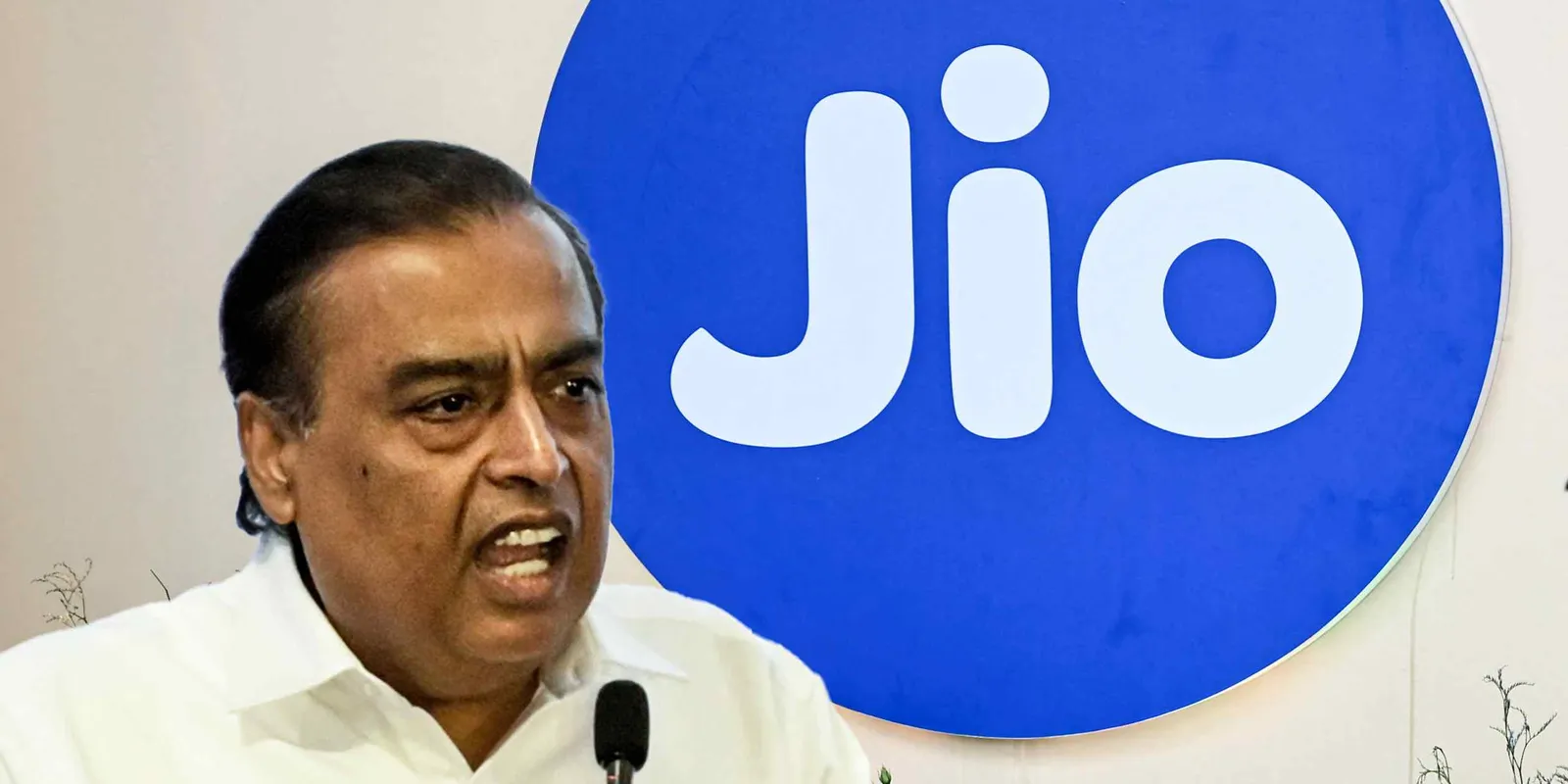
Mukesh Ambani's Reliance Jio is staging a record IPO, with investors piling into the offering as the company shifts focus from telecom to technology. For decision-makers, the listing signals a broader re-rating of telecom assets as platforms for digital services.
Mukesh Ambani's Reliance Jio is pulling off a record IPO, with investors piling into an offering that is being watched as a bellwether for India's digital economy. The listing is not just a fundraising event; it is a bet on Ambani's ability to transform Jio from a telecom operator into a technology platform. The sheer scale of demand underscores how much faith the market is placing in that vision, even as the company's core business faces intense competition and heavy capital requirements.
The "tech shift" in focus is the real story. Jio, which disrupted India's telecom market with cut-price data, is now positioning itself as a technology company, with ambitions that span e-commerce, payments, and cloud services. Investors are not just buying a stake in a network; they are buying into a vision of a digital conglomerate. That is why the IPO is being called a record: not because of the size of the company's existing earnings, but because of the potential of its platform. The offering is a test of whether the market will value Jio on traditional telecom metrics or on the loftier multiples reserved for technology companies.
For context, Jio is the digital arm of Reliance Industries, the sprawling conglomerate controlled by Ambani, one of Asia's richest men. Since its launch in 2016, Jio has reshaped the Indian telecom market, forcing consolidation and driving down data prices. The company built a massive subscriber base by offering cheap data and free voice calls, a strategy that upended incumbents and made Jio the dominant player in a short span. Now, Ambani is trying to replicate that disruption in technology, using Jio's network as the foundation for a broader digital ecosystem. The pivot is not just a business strategy; it is a personal mission for Ambani, who has publicly positioned Jio as the centerpiece of India's digital future.
The IPO is a landmark for Indian capital markets, drawing attention from global and domestic investors alike. The fact that investors are piling in suggests that they see Jio as more than a telecom company. They are betting on the "tech shift" that Ambani has been telegraphing for years, a shift that includes everything from affordable smartphones to enterprise cloud services. The offering is also a test of whether India's capital markets can absorb a mega-listing, and whether the country's digital economy can support a company valued on platform metrics rather than traditional telecom metrics. For the Indian government, which has been pushing digital infrastructure as a national priority, a successful Jio IPO would be a powerful validation of that agenda.
But the pivot is not without risks. Jio's telecom business still faces intense price competition, and the company has had to spend heavily on network infrastructure and spectrum. The technology ambitions, meanwhile, are unproven at scale. Jio is entering markets where global giants like Amazon and Google are already entrenched, and where local players have their own strongholds. The IPO's success will depend on whether Ambani can execute the shift without diluting the cash flows that make the company attractive in the first place. Investors are essentially paying a premium for a story that is still being written, and any misstep in execution could trigger a sharp re-rating.
For decision-makers, the Jio IPO is a case study in how to reposition a legacy business for a digital future. The offering shows that investors are willing to pay a premium for a credible tech story, even when the underlying business is capital-intensive and competitive. It also highlights the importance of a founder-led vision: Ambani's personal credibility is a key reason why investors are piling in. For peers in telecom, media, and other traditional industries, the lesson is clear: a well-articulated pivot to technology can unlock value, but only if the market believes the story. The record demand for Jio's shares is a signal that the market is hungry for such transformations, and that the rewards for getting it right are substantial.
The strategic stakes extend beyond India. Jio's record IPO could trigger a wave of re-ratings across emerging markets, as investors look for similar stories of connectivity companies evolving into platforms. It also puts pressure on rivals to diversify beyond their core businesses, or risk being left behind. For now, the market is giving Ambani the benefit of the doubt. The record IPO is a vote of confidence in his tech shift, and a signal that the next phase of Jio's growth will be defined not by network coverage, but by digital ambition. The question is whether Jio can deliver on that promise, and whether the rest of the industry will follow its lead.
This story's Key Insights and Take-aways are locked.
Create a free account to unlock Executive Actions for one credit.
Register to UnlockAlways free for Executives Club members. Join the Club
More in Business

BioWare shuts down, Mass Effect 5 dead after $55B EA buyout
The legendary RPG studio's closure lands months after a $55 billion investment group buyout of EA, raising tough questions for gaming's biggest acquirers.

Musk barred from the room as Tesla, SpaceX boards weigh $3.5 trillion merger
The CEO of both companies is a 'conflicted party' watching independent directors negotiate a tie-up that would create a $3.5 trillion giant he would own about a third of.

Elon Musk just showcased a flying car - and it wasn't at Tesla
The Tesla CEO's latest reveal came at SpaceX, not Tesla, signaling where vertical mobility is headed.