
Red Hook turns back to Darkest Dungeon for its 10th birthday DLC after years
The studio is surprising players with new DLC for the original, not Darkest Dungeon 2, and the signal matters.
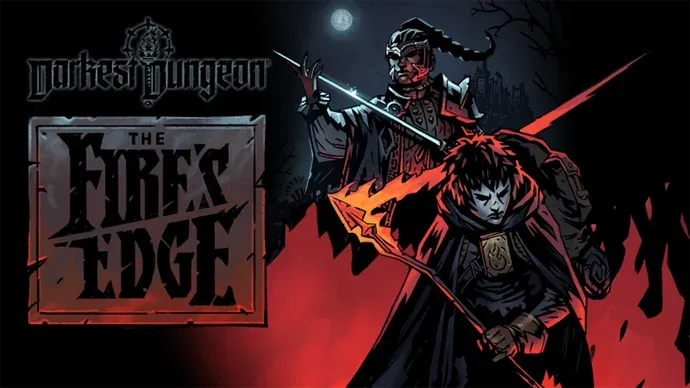
Red Hook Studios is celebrating Darkest Dungeon's 10th birthday by launching its first dollop of DLC for the original game in several years. For decision-makers, it is a live case study in how studios handle audience trust and sequel acceptance over time.
Darkest Dungeon is getting its first dollop of DLC in several years. That is the headline, and it is exactly why this matters: Red Hook Studios is using the game’s 10th birthday to pull attention back to the original instead of pushing more content exclusively into Darkest Dungeon 2. If you are an executive watching product cycles, retention, and community sentiment, this is a rare reminder that legacy can still steer revenue and brand perception, even after a sequel lands.
To understand the move, start with the sequel’s reception. Darkest Dungeon 2 landed well enough and received generally positive reviews, but it has not been universally accepted in the way the original was. The source points to Steam user reviews of Darkest Dungeon 2 as evidence of that split, meaning the market clearly separated “solid” from “beloved.” Red Hook’s decision to return to the original, now, is a direct response to that acceptance gap.
In games, “acceptance” is not just vibes. It is a measurable behavior pattern that shows up in how players talk, how they revisit, and how willing they are to spend on new content. When the audience treats the original as the standard, a sequel can be judged on alignment, not just quality. That is the underlying tension in what Eurogamer reports: Darkest Dungeon 2 generally worked, but it did not fully clear the emotional bar set by the first game.
So why would Red Hook spend attention and resources on DLC for the original, especially after several years? The source frames it as a surprise return, timed to a major milestone: the original game’s 10th birthday. Milestones do heavy lifting in community ecosystems. They create a moment when players expect retrospection and celebration, and they make it easier for a studio to justify “coming back” without sounding reactive. In other words, the birthday is not just a date, it is a narrative permission slip.
There is also a strategic implication for anyone tracking the health of live franchises. Darkest Dungeon 2’s generally positive reviews are not the same as universal buy-in. If your goal is to maximize long-term engagement, “generally positive” can leave money on the table when a subset of your audience never fully switches loyalties. Returning to the original can capture that subset again, especially if they feel their preferred version has been sidelined.
Board-level and investor-level decision-makers often talk about execution risk and opportunity cost. This move reframes those tradeoffs in a way executives can evaluate. Studios that only chase the sequel story might deepen friction with the legacy base. Studios that support the original can protect brand trust and reduce churn among players who want the “home rules” version of the experience. The source does not provide financials, but the action itself is the signal: Red Hook is allocating effort toward the product that still carries emotional authority.
It is also a reminder that community sentiment can operate like a regulatory constraint in practice, even when no regulator is involved. Steam user reviews are not a government agency, but they are a quasi-public scoreboard. They influence new player discovery, refund risk perceptions, and the internal “what should we prioritize” debates that happen at every studio. If Darkest Dungeon 2 reviews highlight acceptance problems, it makes sense that Red Hook would look for a way to re-anchor to the version of the game players already rallied around.
Second-order implications spread beyond Red Hook. If executives at other studios see that a legacy DLC drop can still command attention years later, it can change how they stage sequel roadmaps and post-launch content. The quiet lesson is that a sequel can be “good” and still underperform on loyalty. When that happens, returning to the original can be less about nostalgia and more about correcting a mismatch between what the sequel offered and what the audience expected.
In short: Red Hook Studios is surprising fans by bringing first DLC for the original Darkest Dungeon in several years, timed to the game’s 10th birthday. It is a response to the reality that Darkest Dungeon 2, despite generally positive reviews, was not universally accepted like the original, as Steam user reviews highlight. For decision-makers, the stakes are simple and real: protect legacy trust, manage the sequel narrative against community sentiment, and recognize that milestones can be strategic moments for reallocating attention to the product that still defines your brand.
This story's Key Insights and Take-aways are locked.
Create a free account to unlock Executive Actions for one credit.
Register to UnlockAlways free for Executives Club members. Join the Club
More in Entertainment

12TB Steam 'teraleak' goes beyond Valve: GTA 3, Mafia 2 prototypes exposed
A 12-terabyte dump of Steam data reveals prototypes and builds of third-party classics like GTA 3 and Mafia 2, plus unreleased Valve content, rewriting game history.

LinkedIn's romance problem: 1 in 4 workers say dating on it is fair game
A new survey shows a quarter of U.S. employees treat the professional network as fair game for romance, even as LinkedIn bans it and removes hundreds of thousands of offending posts.

Enhypen's first No. 1 album breaks K-pop's Billboard 200 streak
The K-pop group's 98,000-unit debut tops the chart while Dolly Parton's catalog reentry shows how death reshapes streaming.