
Regional pressure may keep U.S.-Iran talks alive, but the cease-fire is done
Washington and Tehran could still negotiate. But the pause that reduced violence is no longer in effect.
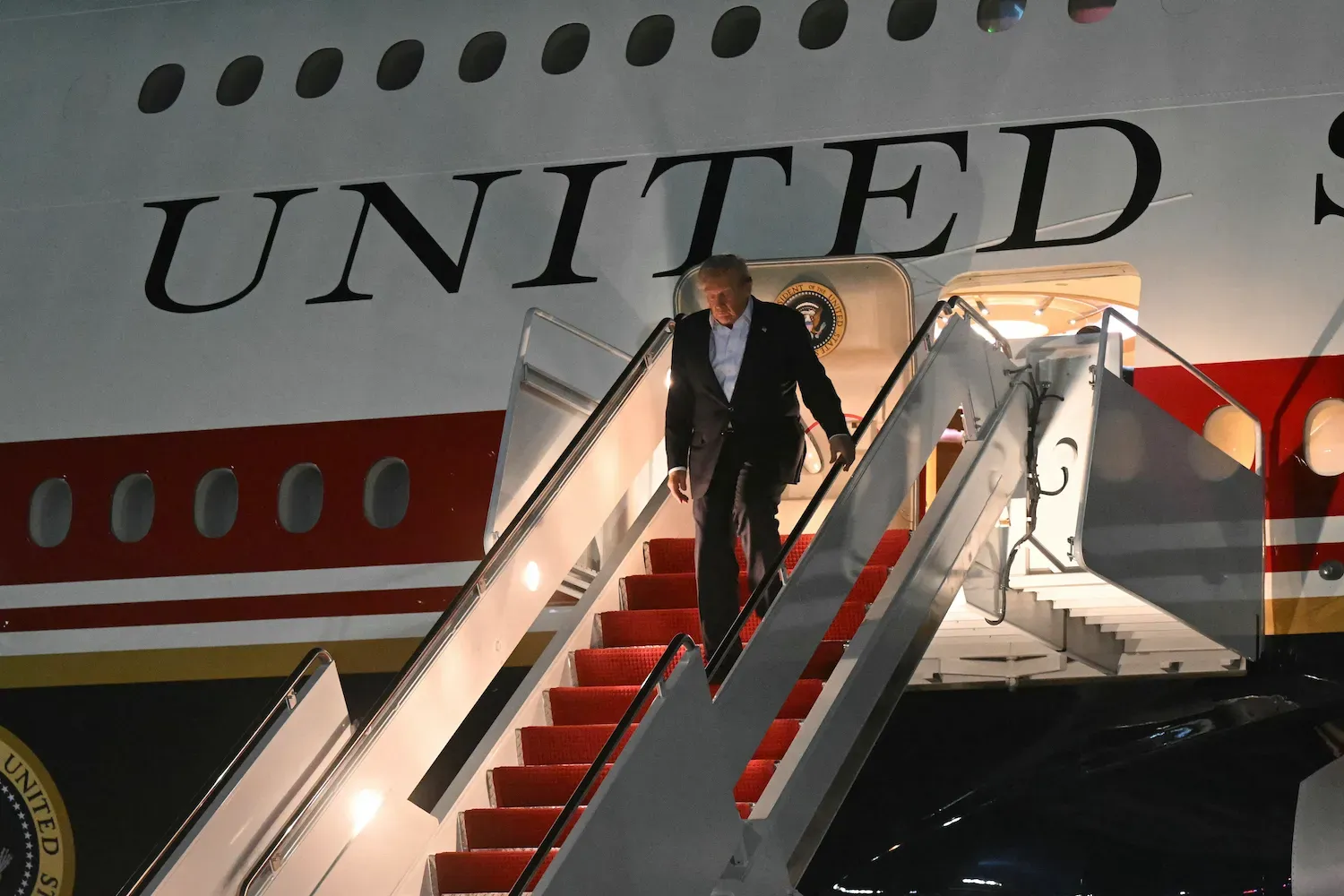
Regional powers are pressing the United States and Iran to pause strikes so negotiations can continue, according to Foreign Policy. The practical outcome is a fragile diplomacy runway: talks might continue, but the cease-fire is over.
Foreign Policy reports that U.S.-Iran talks may continue, but the cease-fire is over. In other words, the window for diplomacy may still exist, but the condition that calmed the situation has already failed. That is the key move for decision-makers: negotiations can happen even while strikes resume or continue, which makes every risk model, operational plan, and market assumption harder to manage.
The immediate logic is straightforward. Regional powers are pushing Washington and Tehran to pause strikes to allow for negotiations. That tells you where leverage is coming from. If multiple regional actors are actively working to reduce the tempo of conflict, then the pathway forward is not purely bilateral. It is mediated by outside pressure, which tends to create temporary, conditional openings rather than durable breakthroughs.
For executives, the hardest part is not the headline. It is the uncertainty around timing and enforcement. When a cease-fire ends, the risk of sudden escalation rises, even if diplomats are still talking. That means the people in charge of anything with supply chains, shipping routes, energy exposure, insurance costs, or security staffing have to plan for two realities at once: ongoing negotiations and an environment where the constraint that limited violence is gone.
There is also a governance and incentive angle hiding in plain sight. Diplomacy during active conflict is often less about agreement on the big issues and more about managing immediate risks long enough to keep channels open. If regional powers are leaning on both sides to pause strikes, they are effectively trying to buy time for talks to produce something workable. But time bought through pressure is different from time guaranteed through a formal cease-fire arrangement. In practice, it can mean recurring cycles of talks punctuated by attacks or retaliations, each one resetting operational risk.
From a market and capital perspective, the second-order effects usually travel faster than the first-order facts. Even without a dramatic change in official policy, the end of a cease-fire can shift expectations for energy prices, freight and insurance premiums, and the probability distribution of disruptions. Investors may not need a new headline to reprice risk; they just need a credible signal that constraints have loosened. And executives dealing with boards will recognize the pattern: a single geopolitical update can trigger scenario planning, vendor renegotiations, and internal reassessments of contingency budgets.
Regulatory and compliance dynamics also matter, because financial and legal posture often follows operational reality. In environments where sanctions and counter-sanctions can be tightened or enforced more aggressively, companies generally increase monitoring when violence spikes or when negotiations are uncertain. The Foreign Policy reporting highlights negotiations as the goal, but it also makes clear that the cease-fire is over. That combination is exactly the setting where compliance teams ask tougher questions: what qualifies as legitimate activity, what triggers heightened scrutiny, and how fast could guidance change if diplomacy stalls.
Strategically, the stakes are not limited to Washington and Tehran. Regional actors have an incentive to prevent total breakdown because chaos can spill outward, affecting trade lanes, border security, and domestic stability. For the U.S. side, continued talks may be a way to reduce long-run risk, but the end of the cease-fire implies that immediate risk management is still urgent and contested. For peers across finance, energy, logistics, defense-adjacent services, and enterprise risk, the takeaway is brutally practical: plan as if negotiations can continue, but do not assume violence will pause.
Put simply, the story is not “talks are back.” It is “talks may continue, while the cease-fire is over.” That is a higher-stakes version of diplomacy, because it forces leaders to juggle two timelines: one for negotiations and one for operational exposure. The organizations that handle that dual timeline best will be the ones that treat geopolitical reporting as an input to real-world decisions, not as background noise.
This story's Key Insights and Take-aways are locked.
Create a free account to unlock Executive Actions for one credit.
Register to UnlockAlways free for Executives Club members. Join the Club
More in Politics

Glacial collapse, not rain, killed 180 in Nepal's Himalayan flood
The Himalaya's extreme geography hid the true cause of Nepal's catastrophic flood, a glacial collapse that turned a geological battleground into a mass-casualty zone.

Iran’s Esmail Baghaei says Oman talks start shipping via Hormuz, not US talks yet
Temporary route plans with Oman aim to restart commerce while Tehran says Washington dialogue is not on the table.

Standards watchdog opens probe into Reform UK deputy leader Richard Tice over interests
The parliamentary standards commissioner says it began an investigation on 28 July into a possible undeclared interest.