
Renell Shaw loads his Windrush history into an MPC One for Kings Place performances
The Ivor Novello-winning composer turns family testimony into stage-ready sound, arguing Black British life needs new narratives.
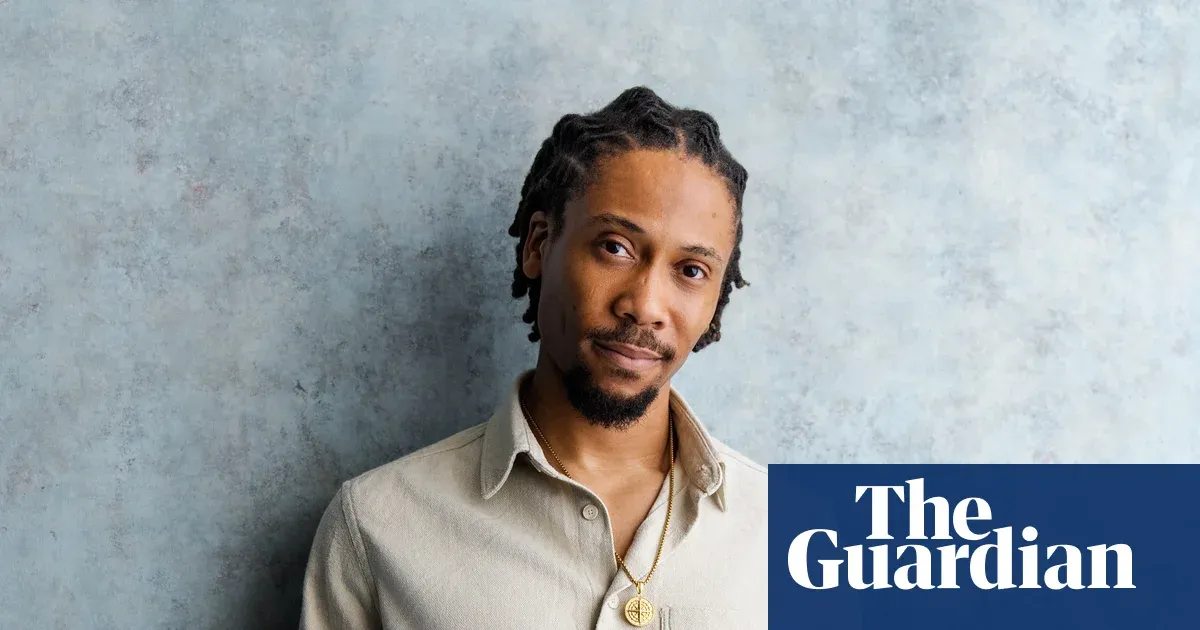
Renell Shaw, a 38-year-old artist-in-residence for Kings Place’s Memory Unwrapped season, says he will travel with his MPC One, storing his grandparents’ voices inside it. His new jazz trilogy draws on family history, using testimony as raw material, and puts Windrush-era experiences at the center of contemporary composition.
Renell Shaw is taking family history to the stage in a way that is both intimate and technically precise. The Ivor Novello-winning musician, 38, says that at Kings Place, five miles from his Wood Green studio in north London, he will bring a briefcase-sized MPC One drum machine and perform with “my grandparents’ voices stored in there.” It is not background flavor. It is the lineup.
That detail matters because Shaw is not just writing songs about Black British life, he is building a performance pipeline where testimony becomes music in real time. He explains that his work is inspired by his family history and that he builds music from testimony, framing the Windrush generation as deserving new narratives. As part of Kings Place’s Memory Unwrapped season, a series of musical performances that explore nostalgia, transformation and future, Shaw will stage a double-bill show at Kings Place this month, bringing the treasured black box with special sounds so the voices can be “there with the band in front of me.”
If you work in arts leadership, media, or investor-adjacent culture, this is a reminder that narrative is not just a theme, it is infrastructure. Shaw’s studio sounds are tied to specific technology, and that technology carries a human source of meaning. The MPC One, described in the source as an eye-catching console with a large, sleek keypad, is easy to overlook in a room full of synthesisers, guitars, amps, samplers, and vinyl albums. But in Shaw’s setup, it becomes a vessel for memory. Executives should notice the pattern: when artists treat tools like repositories of lived experience, the product is no longer a performance alone. It is a repeatable method for keeping a lineage audible.
There is also a second-order implication for cultural institutions and program commissioners. Memory Unwrapped positions performances around nostalgia, transformation, and future. Shaw’s approach turns that framing into something operational. Instead of asking audiences to “remember” passively, the show makes remembrance participatory, because the grandparents’ voices are stored and replayed with the band. That changes the audience experience from viewing to listening with context. It also reduces the dependence on purely archival material. When voices are embedded in a modern production workflow, an institution can create continuity across seasons, not just one-off tributes.
Zoom out further, and the Windrush angle becomes a strategic concern rather than a niche story. Shaw is explicit that the Windrush generation deserves new narratives. That stance matters because it challenges the default lifecycle of cultural memory: older accounts get treated as finished, while new generations inherit a simplified version. A composer building works from testimony is doing something more demanding than remixing aesthetics. He is shaping whose voice is considered musically primary, and what kind of storytelling counts as contemporary jazz.
This is where the market context shows up, even in a music piece. In many creative industries, attention cycles reward familiarity, while innovation often gets stuck in a loop of novelty for novelty’s sake. Shaw’s method flips that incentive. The emotional authenticity of family testimony supplies the novelty, while the technical process makes it scalable. A double-bill show at Kings Place is not just an exhibition. It is a stress test of whether deeply personal source material can hold up in front of a live band, under stage conditions, with a modern instrument driving the arrangement.
For boards and decision-makers, it is worth treating this as a governance and risk question, too. When projects rely on testimony and stored voices, there are obvious sensitivities around consent, rights, and respectful handling of personal material. The source does not lay out legal details, so the point is not to claim specifics about licensing. The point is that this style of production signals where future policy and operational diligence will likely concentrate. Institutions that commission this kind of work should assume the production includes more than composition. It likely includes careful stewardship of human material, plus coordination between artists, venues, and technical teams.
Finally, there is the creative productivity angle. Shaw’s MPC-driven setup suggests a bridge between rehearsal and performance that can compress the gap between concept and execution. The voices are stored in the machine, meaning the show can stay faithful to the intended sound world even as band members and live dynamics shift. In an environment where programming is often constrained by time and budget, repeatable performance systems can be a quiet advantage. For peers trying to build relevance in cultural programming, the strategic stake is simple: if you want tomorrow’s audiences, you need narratives that feel lived-in, not packaged.
Renell Shaw’s Kings Place appearance, tied to Memory Unwrapped and grounded in his new jazz trilogy’s homage to Black British life, is therefore more than a creative milestone. It is a signal about how testimony can become technology, and how technology can keep the Windrush story present, not archived.
This story's Key Insights and Take-aways are locked.
Create a free account to unlock Executive Actions for one credit.
Register to UnlockAlways free for Executives Club members. Join the Club
More in Entertainment

Christopher Nolan’s “The Odyssey” posts his biggest Tuesday haul, surpassing “The Dark Knight’s” record
The film’s Tuesday breakout reframes Nolan’s box-office ceiling and forces competitors to rethink timing, budgets, and release strategy.

Kacey Musgraves cancels Aug. 20, 29, Sept. 2 Middle of Nowhere shows
Ticketmaster emails are telling fans refunds are coming, while the tour still starts Aug. 21 in Chicago.

Billie Joe Armstrong launches Epiphone Les Paul Junior and Marshall 1959BJA signature gear
Two limited releases turn decades of Green Day’s tone into branded hardware, including Marshall’s first artist amp in 14 years.