
Roblox drops The Rolling Stones game July 10, turning decades into crystals and commerce
A new Roblox experience based on the band’s 60-year history lands July 10, with a finale July 17-19 and co-branded physical items.
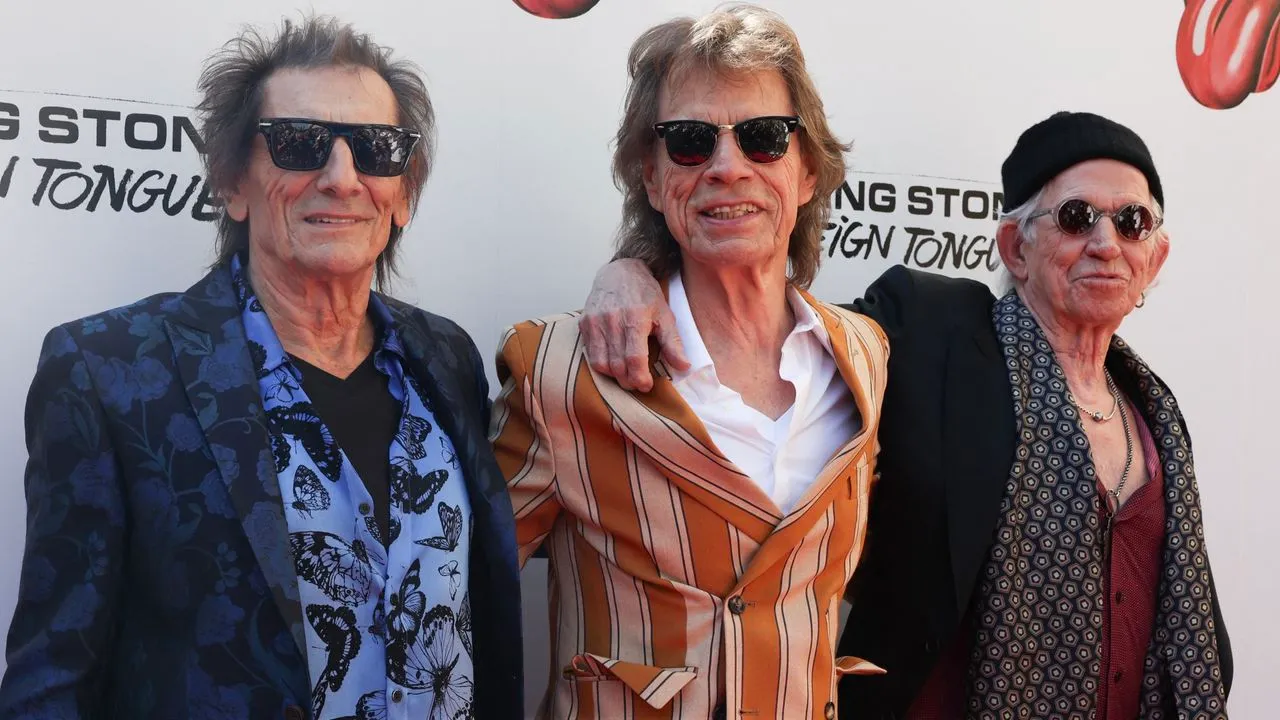
Roblox is launching a Rolling Stones themed game today, July 10, featuring gameplay tied to the band’s 60-year history and the 2023 album Hackney Diamond. The rollout plus an in-game Shopify integration signals how platform crossovers are shifting from music discovery to fully monetized brand ecosystems.
Roblox is bringing The Rolling Stones to the platform today, July 10, in a game that turns the band’s 60-year history into collectible “colorful crystals” and decade-hopping gameplay. The experience is designed around a simple loop: players progress through eras, work together to find and shatter the crystals, and an iconic Stones track from each time period soundtracks the action. Shattering crystals powers up a “massive tongue-and-lips” that releases a surge of rock and roll energy to disrupt each decade and unlock the next, culminating in a “globally shared interactive performance” that evolves based on community participation.
And if you are wondering why decision-makers and creators are paying attention, it is because this is not just a music tie-in. Roblox is also bundling the collaboration with creator co-branding, avatar accessories, and a purchasable physical item via an in-game Shopify integration that connects directly to the band’s online store. The Stones game then escalates in public-facing terms with an “epic finale show” running July 17-19, so the collaboration is built to travel from gameplay into community spectacle on a fixed calendar, not an evergreen drop.
This is the part where the industry context matters. Roblox has done “a lot of crossovers and collaborations,” but this one is unusually ambitious in what it tries to do at once: curate cultural catalog, stage a multiplayer narrative, and attach an e-commerce pathway to the experience. In other words, it is trying to compress multiple business models into one: discovery (music and eras), engagement (team progression and community-driven outcomes), and monetization (co-branded avatar goods plus Shopify-linked physical items). That is a powerful formula for platforms because it turns audience attention into a chain you can measure across sessions, creations, and purchases.
The creative wrapper also reveals what platforms think audiences want. The gameplay pitch is very specific: the crystals are “inspired by the band’s 2023 album Hackney Diamond,” and the decade structure aims to turn legacy into progression. That design is likely intentional. It makes the Stones catalog something players can “do,” not just listen to. And by tying soundtrack moments to different eras of the band, Roblox can segment the experience without requiring the platform to guess which specific song a player will care about. A decade-based structure is a content strategy dressed up as game mechanics.
Still, there is a tension baked into the whole premise. The Rolling Stones are described as “the world’s greatest rock and roll band,” and the source frames them as rock royalty with a complicated history that includes “Sex and drugs,” a notorious violence incident, and “god-tier music.” The author’s reaction is blunt: “I destroyed my hearing for this?” The point is not that the Stones should never appear in Roblox, but that a culturally loaded legacy can get transformed into something that feels, to some, soul-deadening or weird. The same skepticism is applied to audience fit: the question raised is whether the typical Roblox audience will care about “some 85 year old men singing songs older than their parents.”
For decision-makers, that is an important second-order issue: brand legitimacy and audience alignment can both be true at the same time, but they do not always land the same way across age groups. The source even supplies age context for the band members: Mick Jagger is 82, Keith Richards is also 82, Ronnie Wood is 79, and the author notes Jagger’s wife is 17 years younger than his oldest daughter. Those details underscore how legacy acts are being introduced into platforms that skew younger, which raises the bar for how thoughtfully the experience handles cultural translation. If the mapping from “band history” to “game loop” feels clumsy, the monetization can look opportunistic rather than additive.
But Roblox is clearly hedging that risk by involving community creators and by using co-branding beyond just passive sponsorship. Roblox invited a list of community creators including Jazzyx3, CASKA’s HAUS, Touzled, Blizzei, DIONESS, morphist4u, WhoseTrade, Empyro, Bad_B0y, raekaro, Spiraxy, Valkenheim, DuckXander, Clockset, and dvdko. The collaboration tasks them with turning The Rolling Stones’ globally beloved logo into exclusive cross-platform avatar accessories and a limited-edition, co-branded physical item available to purchase via an in-game Shopify integration that connects directly to the band’s online store. This is notable because it makes the brand presence multi-layered: player avatars, creator output, and a direct commerce bridge.
Finally, the timeline is structured like a campaign, not a one-off. The game goes live today, July 10, and then culminates in the July 17-19 finale show, which should be live by the time readers encounter the news. That staging gives Roblox and the Stones a predictable rhythm for marketing, creator engagement, and community peak activity. For boards and operators watching similar platforms, the strategic stake is clear: partnerships are increasingly designed as full-funnel experiences. They do not just add content. They add measurable behaviors, planned events, and purchase pathways. In a world where attention is the scarce asset, Roblox and a legacy music brand are testing how far you can move from cultural artifact to interactive economy before users, creators, or regulators draw a line.
This story's Key Insights and Take-aways are locked.
Create a free account to unlock Executive Actions for one credit.
Register to UnlockAlways free for Executives Club members. Join the Club
More in Entertainment

12TB Steam 'teraleak' goes beyond Valve: GTA 3, Mafia 2 prototypes exposed
A 12-terabyte dump of Steam data reveals prototypes and builds of third-party classics like GTA 3 and Mafia 2, plus unreleased Valve content, rewriting game history.

LinkedIn's romance problem: 1 in 4 workers say dating on it is fair game
A new survey shows a quarter of U.S. employees treat the professional network as fair game for romance, even as LinkedIn bans it and removes hundreds of thousands of offending posts.

Enhypen's first No. 1 album breaks K-pop's Billboard 200 streak
The K-pop group's 98,000-unit debut tops the chart while Dolly Parton's catalog reentry shows how death reshapes streaming.