
Rockstar drops 63 GTA 6 screenshots, and the mud teases mechanics while gameplay fans stay skeptical
The new screenshot batch adds depth to factions and visuals, but Polygon warns the mud hints at more than Rockstar has confirmed.
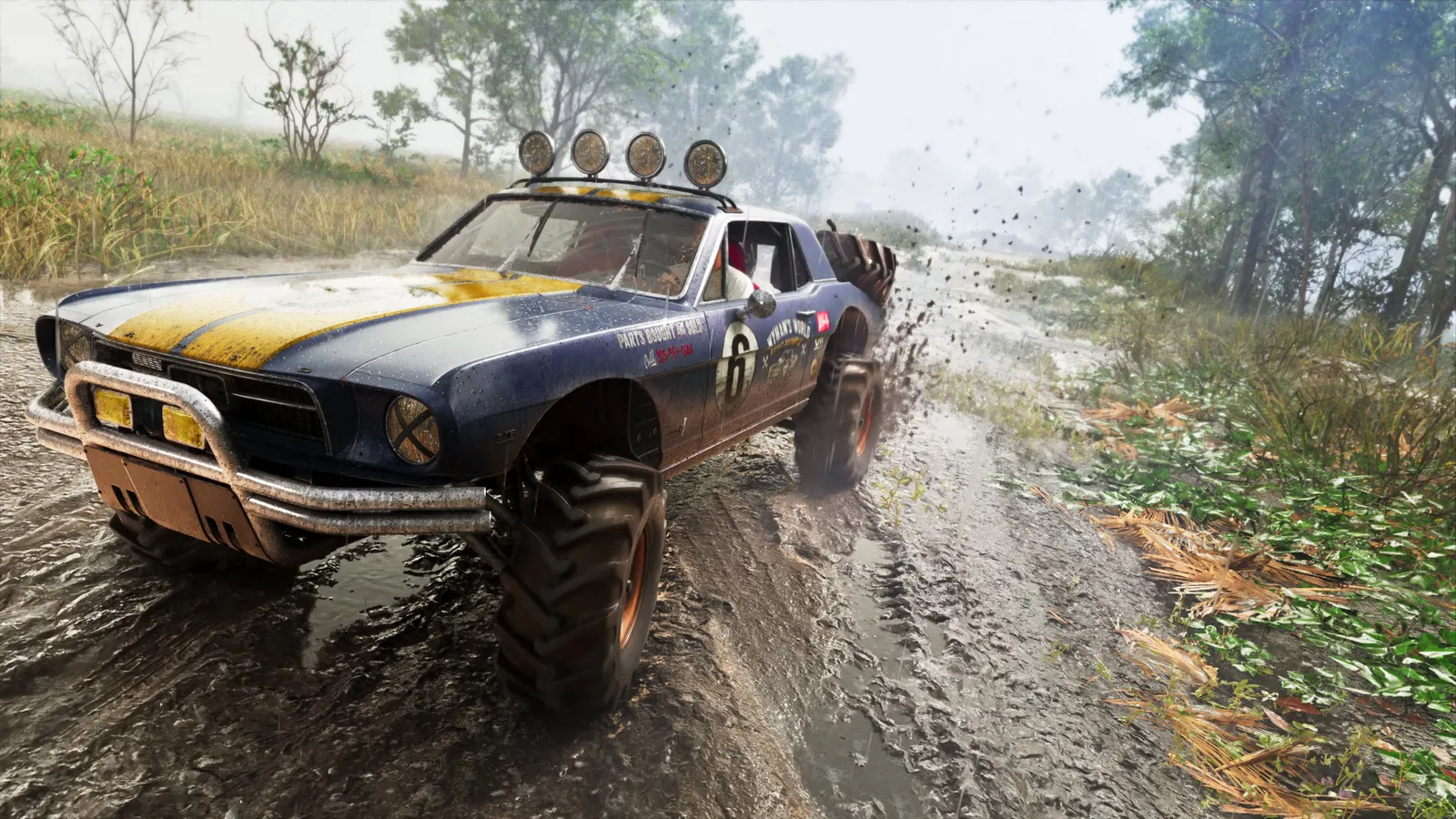
Rockstar Games released 63 new Grand Theft Auto 6 screenshots on Tuesday. For decision-makers, the move signals accelerated hype and broader gameplay surface area, while also highlighting why investors and operators should expect a skepticism cycle around unproven mechanics.
Rockstar Games released 63 new Grand Theft Auto 6 screenshots on Tuesday, and fans immediately went pixel-by-pixel hunting for meaning. The trove is, as Polygon puts it, a fire hose of new information about the open-world game, including customization options, vehicles, and weapons. The most interesting part is not that the screenshots look better. It is that they are clearly trying to show systems, not just scenery, and one visual detail in particular has become a lightning rod: the game’s mud.
Polygon highlights that many players are fixated on one surprising detail, even as they get excited by what the screenshots suggest about GTA 6’s possibilities. The “mud teases some new gameplay features” and gives depth to a faction that appeared in earlier trailers. That matters for anyone tracking games as a business, because the market does not just price visuals. It prices playable implications, learnable systems, and believable progression. And when the public can infer mechanics from imagery, it speeds up excitement and also speeds up scrutiny.
Here’s the nuance Polygon flags: there is a good reason to be skeptical. That skepticism is not about whether the mud is real, or whether the screenshots show something. It is about inference. A screenshot can freeze a moment, but it cannot confirm how the underlying gameplay behaves frame to frame. Mud can be a cosmetic layer, a physics-driven effect, or a gameplay gate. It can be dressing that sells mood. Or it can be a mechanic that changes player decisions. Polygon’s point is that the screenshots hint at more, but the evidence is still constrained by what is actually confirmed.
From an operator or board perspective, this is a familiar pattern in entertainment markets: audiences often do the job of early systems design verification. They map visuals to mechanics, then they treat the mapping as if it were a promise. That is great for momentum. It is also a reputational risk if the final product diverges. The 63-screenshot drop is doing two things at once: expanding the hype surface area and tightening the feedback loop where fans will pressure for answers. If you are an investor or a cross-functional exec watching production timelines, you should treat these screenshot cycles like demand signals with built-in interpretation risk.
Polygon also notes that the images expand customization options, which typically translates into higher engagement potential. More ways to personalize vehicles and loadouts can increase the “share and iterate” behavior that drives community visibility. Vehicles and weapons are similarly important because they define the sandbox’s feel, pacing, and combat or traversal identity. When a studio releases information in those categories, it is effectively telling the market what kinds of gameplay moments they want players to remember. The strategic subtext is: Rockstar wants people talking about how GTA 6 plays, not just how it looks.
At the same time, giving depth to a faction shown in earlier trailers is a narrative and branding lever. Factions matter because they create hooks for quests, progression, and role-play identity, and they can also shape how players interpret the world’s moral and political texture. Polygon’s framing implies that the screenshots are not only about mechanics. They are also about worldbuilding, and worldbuilding tends to be a long tail of marketing value. It gives creators, streamers, and news cycles something persistent to parse between official updates.
So what does the mud really mean for decision-makers? Not just “new graphics.” Polygon’s emphasis on mud teases new gameplay features. That is the kind of detail that suggests Rockstar is investing in environmental interaction and systemic effects, which can differentiate a blockbuster open-world title even when competitors can match raw visual fidelity. But the reason to stay skeptical is equally strategic. Environmental visuals are often the easiest place for ambiguity to hide. Fans will assume depth, then the final game might deliver something smaller, different, or more constrained than the screenshots imply.
For peers watching this unfolding, the takeaway is not “mud is destiny.” It is that Rockstar has chosen a specific marketing tactic: release a large, information-dense batch (63 screenshots), then let the community extract both feature hints and faction context. That can amplify interest, keep the franchise in daily conversation, and potentially de-risk internal expectations by testing what fans latch onto. But it also accelerates the scrutiny cycle around anything fans think they can decode. If you run a studio, a publisher, or a platform that depends on major releases, treat this as a reminder that audiences will translate visuals into claims, and that means the final build has to be ready to meet those expectations or manage them. In the end, the strategic stakes for executives are simple: the more mechanically suggestive the marketing becomes, the more the product must deliver on what players believe they are seeing.
This story's Key Insights and Take-aways are locked.
Create a free account to unlock Executive Actions for one credit.
Register to UnlockAlways free for Executives Club members. Join the Club
More in Entertainment

Deltarune Chapter 5 smashes 300,000 Steam peak just minutes after launch
Within minutes, Toby Fox's episodic RPG blows past its own record, changing what “momentum” looks like on Steam.

Chuck Tingle writes a Warhammer 40K Tingler about Warpounder miniatures and spending $
His latest short erotic fiction leans hard into the Warhammer obsession loop: the hobby purchase, the unfinished paint job, and the payoff.
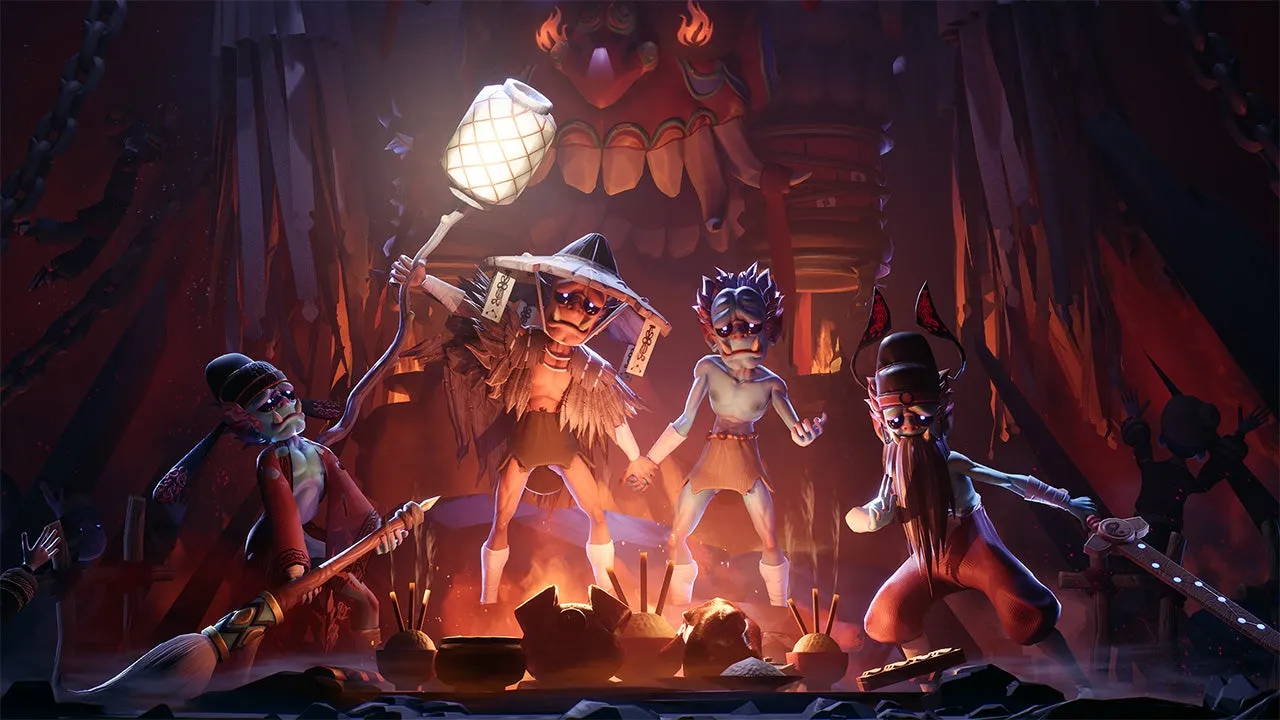
Hundred Nights: DIFU turns purgatory into an underworld ops simulator with D-Cash losses
A Two Point-style management loop, built on Chinese mythology, where staffing, decor, and punishment all affect your balance sheet.