

Rockstar drops Vice City cover art and a sharper GTA 6 visual map
The studio quietly showed its best so far look at Vice City's skyline, gangs, and street-level vibe.
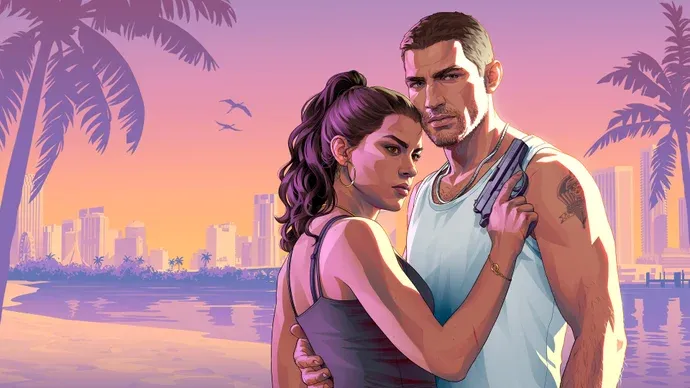
Rockstar used today’s cover art reveal to also publish its best visual overview yet of Grand Theft Auto 6’s Vice City. For decision-makers, it signals stronger pre-launch momentum and sharper global expectations before release details are even fully on the table.
Rockstar didn’t just unveil new cover art for Grand Theft Auto 6 today. It also quietly released what Eurogamer describes as its best visual overview so far of GTA 6’s Vice City, the crime-laiden metropolis players will be navigating when the game arrives.
That is the key detail: the update is not a vague teaser or a blurry silhouette. It is a more complete visual snapshot of Vice City itself, presented alongside the cover art reveal. If you are tracking how major publishers build hype into something measurable, this is a notable move. Big franchises do not spend premium attention on new assets like this unless they think the next wave of attention will compound.
Vice City matters because it is not just a setting. For Rockstar, it is an identity. When a franchise returns to a city that fans already associate with a specific look and feel, the audience expectation level tends to rise fast. That affects everything around the product, from marketing narratives to partner expectations to how quickly news coverage can shift from “is it real?” to “what exactly are we getting?” In other words, sharper visuals are not only art direction. They are a strategic communication channel.
Eurogamer’s framing is also important. The outlet calls Rockstar’s reveal “quietly” delivered and characterizes the new materials as the “best visual overview so far.” That wording matters in the modern games industry, where announcements can be noisy but underwhelming, or polished but incomplete. A “quiet” reveal can be designed to feel like an organic discovery rather than a hard sell. Meanwhile, “best so far” implies there have been earlier looks, but they did not yet deliver the same level of street and skyline clarity. This time, Rockstar is effectively stepping up the fidelity of what it shows.
For executives, there is a second-order effect that goes beyond the fanbase. Visual previews at this stage can change internal planning cycles across the ecosystem. Marketing teams can build campaign variants more accurately. Media partners can write more specific pieces without resorting to speculation. Creative licensors and collaborators can better align their own work to the recognizable “world” the publisher is presenting. The more concrete the assets, the less budget gets spent on guesswork and the more gets spent on scaling distribution.
There is also a regulatory and compliance angle, even if the source does not mention regulators directly. Rockstar’s games have historically drawn attention from regulators and oversight bodies because of how they depict crime and other adult themes. When a publisher advances from concept-level hints to detailed city visuals, it increases how quickly scrutiny can shift from imagination to specifics. That can be uncomfortable, but it is also part of the system: regulators and watchdogs tend to react when there is enough detail for analysis. So even a cover art and environment reveal can influence the timeline of review conversations, ratings work, and regional risk assessments.
Financially, this type of reveal fits a broader pattern in blockbuster entertainment. Major releases now live in a long pre-launch arc where attention and credibility are currencies. Studios want to keep the pipeline warm, reduce uncertainty, and avoid letting competitors or the wider market move on. A stronger Vice City overview suggests Rockstar is working to lock in that arc early and sustain it. The cover art reveal is the visible headline, but the additional visuals are the quieter tool that can make coverage deeper and more repeatable.
For peer companies, the strategic stake is clear: if Rockstar is raising the bar on what it shows, other publishers with big open-world plans may feel pressure to match the clarity and confidence of their own marketing assets. Boards and investors may also read “best so far” as a sign that production is stable enough to present a more coherent vision to the public. The risk, of course, is mismatch. The higher the pre-release expectations built by visuals, the harder it becomes to land the final experience within the marketed promise. Still, the move itself is a signal that Rockstar wants the public looking at Vice City, not just waiting for a date.
Bottom line: today’s cover art reveal came with something more consequential than a standard poster drop. Rockstar also revealed its best visual overview yet of GTA 6’s Vice City, giving the franchise a sharper, more legible world to rally around. In a market where attention decays quickly, that sharper picture can help turn curiosity into sustained demand before the full product story is even out.
This story's Key Insights and Take-aways are locked.
Create a free account to unlock Executive Actions for one credit.
Register to UnlockAlways free for Executives Club members. Join the Club
More in Entertainment
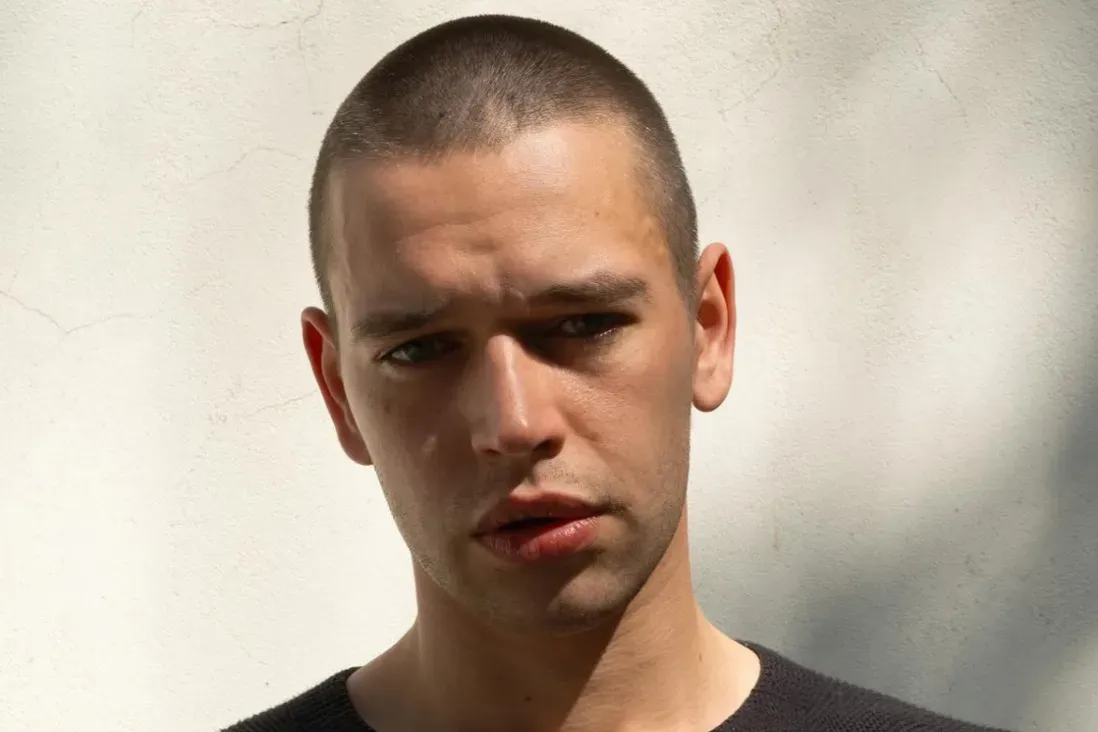
Starfleet Academy names newcomer Ruaridh Aldington a Season 2 series regular
At San Diego Comic-Con's Star Trek 60th anniversary panel, Aldington joins as Keats, a high-stakes mystery for the cadets.
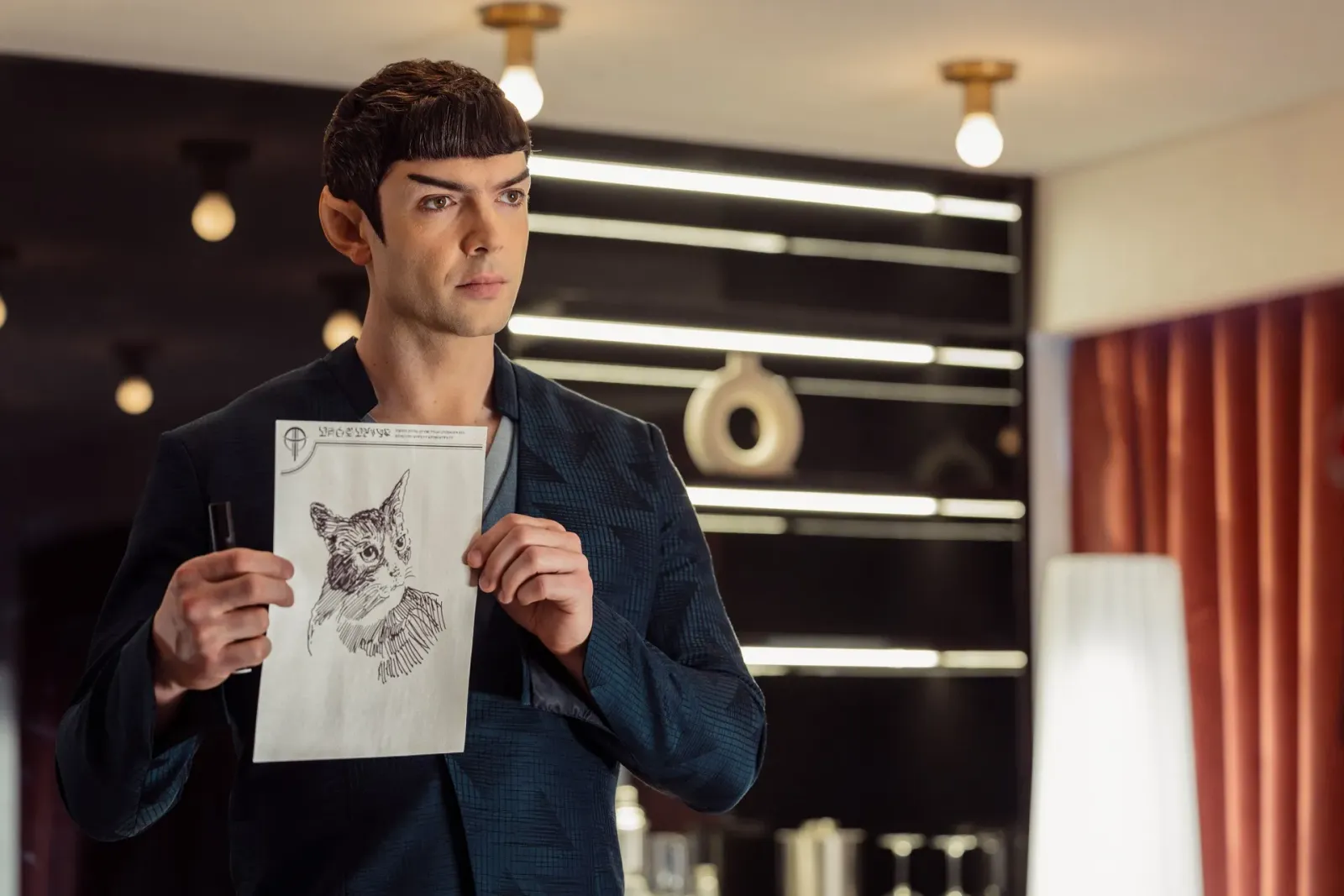
Akiva Goldsman drops Strange New Worlds Season 4 timing: weekly until Sept. 24
Star Trek’s co-showrunner uses Comic-Con to lock in the release calendar for Paramount+ Season 4.
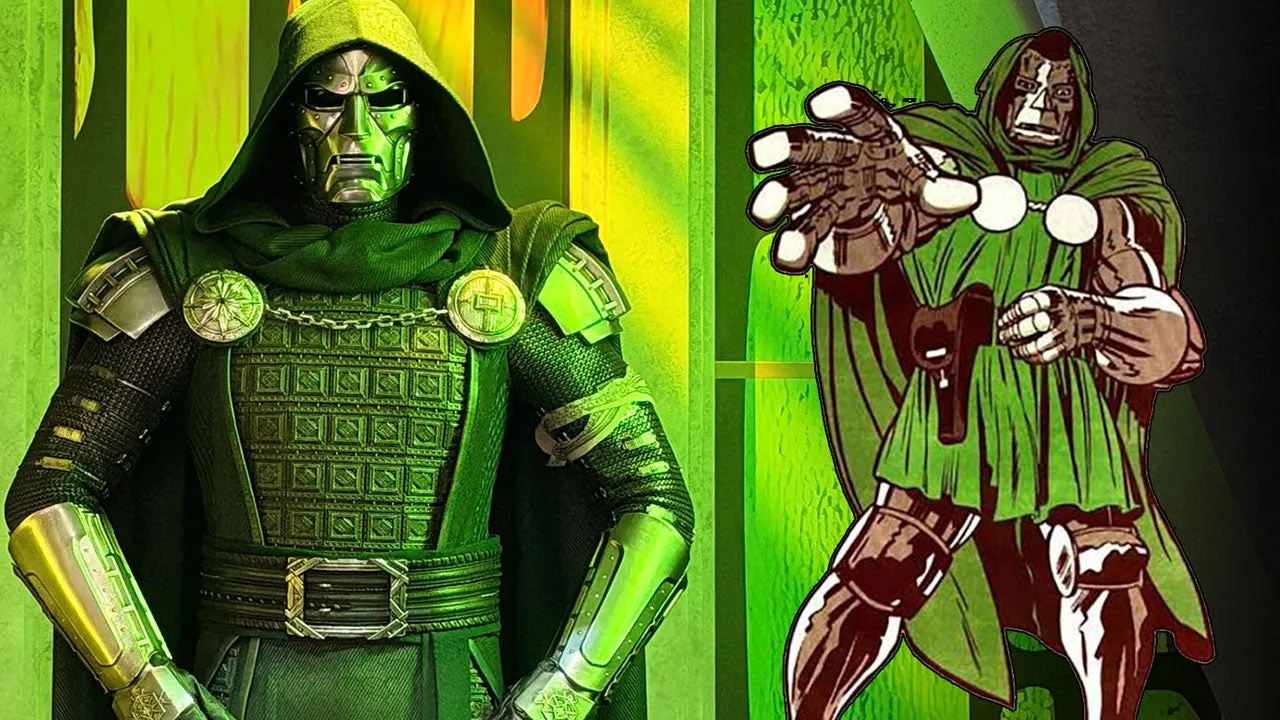
Marvel’s Avengers: Doomsday Doom armor stays faithful to comics, but adds samurai-style upgrades
A fresh look at Robert Downey Jr. as Victor von Doom at Comic-Con shows what Marvel kept, changed, and why it matters.